
[The Pressure of Leadership: Navigating Public Scrutiny and Tactical Criticism]-[Facing an Angry Mob of Athletes' Parents | Young Sheldon]
📋 Summary
The Burden of Expectations
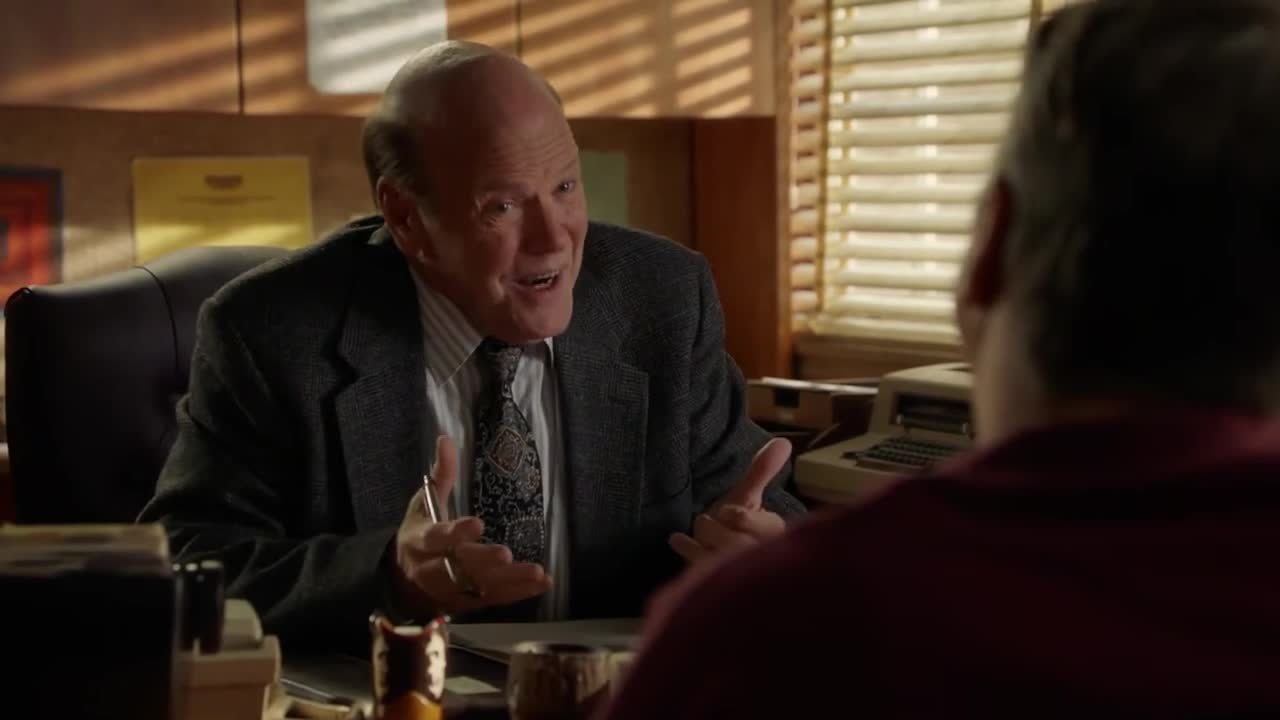
In a tense exchange between a coach and a representative, the podcast highlights the intense public pressure facing a sports team after a dismal season. The coach acknowledges that he is "aware" of the negative sentiment permeating the community, noting that he hears about it everywhere—from the "grocery store" to the "barber shop." Despite his optimism that the team will "turn things around," the reality is that the "boosters"—the financial and emotional supporters of the program—have their "pitchforks out." The situation is described as having "some fires to put out," signaling a critical moment where the coach’s tenure is under implicit threat.
Strategic Justification and the Defensive Mindset
When addressing the boosters, the coach attempts to project a vision for the future, claiming they have the "pieces in place for next year." However, the atmosphere quickly turns hostile during a Q&A session. A booster named Roy directly challenges the coach's tactical decision-making, specifically questioning the choice to "punt with a minute 24 on the clock" during a game against Tyler.
The coach’s defense reveals the harsh realities of his team's limitations. He explains that his offense was "giving up 30 pounds to everyone across the line" and that his quarterback had an "uneasy relationship with holding on to the ball." This explanation, while grounded in the physical reality of the game, is perceived by the boosters as "blaming our kids." The coach maintains that the players have "a lot of heart," but argues that it is a "coach's job to know when to pull back" to protect them, rather than recklessly pursuing a win at all costs.
The Clash of Values and Authority
The friction escalates when the boosters compare the coach to a rival at Carthage, a former professional player. The coach attempts to deflect this by pointing out the rival’s limited professional experience, even invoking the name of legendary coach "Vince Lombardi" to argue that playing experience does not equate to coaching success. The boosters, however, remain unimpressed, labeling the coach’s tactical retreat as "the Cooper surrender."
Ultimately, the podcast captures a breakdown in communication between leadership and stakeholders. The coach’s plea for "passion" is met with a complete loss of patience from the boosters. The exchange concludes abruptly, with the coach declaring, "Meeting's over," effectively ending the dialogue but leaving the underlying conflict unresolved. This scenario serves as a stark reminder that in competitive environments, leadership is rarely judged by intent, but rather by the perceived willingness to fight, regardless of the tactical odds.
Deep Learning with ListenLeap


