
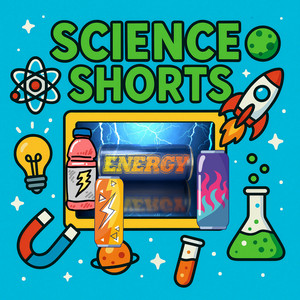
[The Hidden Reality of Energy Drinks: Why They Aren't the Magic Potion You Think]-[Energy Drinks : are they really bad for you? Science Short]
📋 Summary
The Truth Behind the Can: Unpacking Energy Drinks
Energy drinks have become a cultural phenomenon, marketed with names like "Monster" and "Red Bull" that suggest a sense of being "fierce." With their "slouchy cans" and bold promises of granting consumers "wings and power," they are undeniably attractive to those seeking a quick boost. However, beneath the flashy branding lies a complex concoction of ingredients that warrant a closer look.
The Anatomy of an Energy Drink
When we analyze what is "hiding inside" these beverages, we find a combination of stimulants and additives that are far from natural. The primary component is caffeine, which provides the "kick" found in coffee but in significantly higher concentrations—often equivalent to "three cans of cola" in a single serving.
Beyond caffeine, these drinks are loaded with sugar, sometimes reaching up to "10 teaspoons in a single can." Manufacturers also add a variety of supplements, such as:
- Taurine: Marketed as a focus-enhancer.
- Guarana: A plant-based source that is essentially "just more caffeine."
- B vitamins: Which the body typically "wheezes out" if one maintains a balanced diet.
While some popular hydration drinks eschew caffeine, they often include BCAAs (branched-chain amino acids), which are "special protein bits" traditionally reserved for high-performance athletes, not the average consumer.
The Health Risks and the 'Crash'
Why do people reach for these drinks? Most are looking for a "quick burst of energy" to stay awake or to gain a "sporting boost." However, the trade-off is significant. The initial energy spike is almost always followed by an inevitable "crash." Common side effects reported by users include "jittery hands, headaches, a racing heart and trouble sleeping."
Furthermore, long-term consumption is a cause for concern. Scientists have found evidence linking frequent intake of these drinks to serious health issues, including "obesity and type 2 diabetes."
Why Kids Should Steer Clear
There is a critical distinction to be made regarding age. While "grown-ups might handle the odd can," the impact on children is vastly different. Because children have "smaller bodies," the ingredients pack a "much bigger punch." Consequently, medical professionals are firm in their stance: energy drinks are "not safe for under 18s."
It is also vital to distinguish energy drinks from sports drinks like Gatorade or Powerade. The latter are designed to replace what the body loses through sweat, consisting primarily of "water, sugar and salt." Energy drinks, by contrast, are a "totally different thing" entirely.
Conclusion: Stick to the Basics
Ultimately, energy drinks are not the "magic potion the ads make them out to be." While they may make you feel "pumped for a bit," the combination of excessive sugar, high caffeine content, and the subsequent physical crash makes them a poor choice for health. For young people in particular, the best advice is clear: "leave the energy drinks on the shelf and stick with water for the real win."
Deep Learning with ListenLeap


