
[Unmasking the Quiet Predator: Understanding and Overcoming Subtle Emotional Abuse]-[Emotional Abuse You Didn’t Realize Was Happening (What To Do)]
📋 Summary
The Architecture of Quiet Control: Understanding Subtle Emotional Abuse
Emotional abuse is frequently misunderstood as a loud, dramatic spectacle of shouting and threats. However, as Psych2Go highlights, the most dangerous forms of abuse are often "quiet," characterized by subtle behaviors that gradually erode an individual’s confidence, boundaries, and self-perception. Recognizing these patterns is the first step toward reclaiming one's autonomy.
The Anatomy of Red Flags
Abusers often rely on ambiguity to maintain control. By disguising harmful behaviors as harmless interactions, they force the victim to question their own reality. Key indicators include:
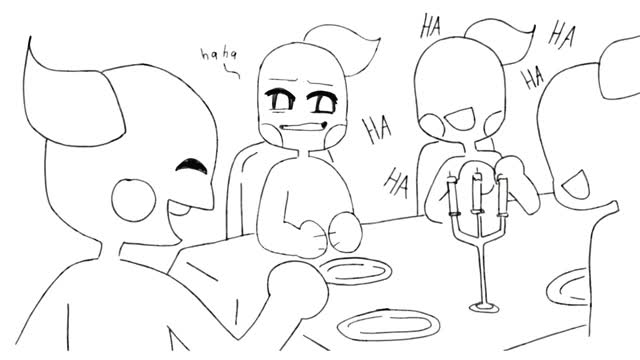
- Manipulative Criticism: Often framed as "helpful criticism," this is actually a tactic to "tear you down" while masking the intent under the guise of honesty or humor. If a partner mocks your choices or appearance and then tells you to "relax" when you react, they are avoiding accountability.
- Emotional Flip-Flopping: This creates a chaotic environment where the victim feels they are "always walking on eggshells." The unpredictable shift between warmth and coldness keeps the victim in a state of constant overthinking.
- Strategic Affection: Affection is used as a tool for leverage. By "withholding affection" or using it only when it benefits them, the abuser conditions the victim to seek approval through compliance.
- Emotional Blackmail: Threats of ending the relationship are used to force obedience. This is not healthy conflict resolution; it is a calculated effort to exert power.
The Psychology of Staying: Cognitive Dissonance
Why do victims stay in abusive dynamics? It is not due to weakness, but rather a survival mechanism. Psychologists identify this as cognitive dissonance—a state where the reality of the abuse conflicts with the desire to believe in the relationship's goodness. To reduce this mental discomfort, the brain "twists reality" by minimizing the harm or blaming oneself. The victim begins to "explain it away" by citing the abuser's stress or fatigue, effectively trapping themselves in a cycle of confusion and false hope.
Reclaiming Your Power: A Path to Healing
Healing begins when the victim breaks the silence and labels the behavior for what it truly is. Psych2Go suggests a framework for regaining control:
- Name the Behavior: Explicitly identifying actions as "manipulation," "gaslighting," or "control" helps clear the mental fog.
- Cease Negotiations: One cannot convince an abuser to change their patterns. It is vital to stop trying to "win their understanding" and instead prioritize protecting one's own energy.
- Break Isolation: Abusers thrive when their victims are isolated. Reaching out to therapists, friends, or supportive communities is a critical step in shattering the abuser's influence.
- Enforce Boundaries: A boundary is not merely a request; it is an action. For example, instead of asking someone not to speak poorly, one should define the consequence: "If you talk to me like that, I will leave the conversation."
- Focus on Self-Preservation: Redirecting energy toward personal resilience and self-worth is the ultimate defense. By shifting the focus from "saving them" to "caring for yourself," the victim builds a sense of safety that is independent of the abuser.
Ultimately, emotional abuse is a pattern of power and control. Recognizing these subtle signs is a testament to one's resilience. As the narrative concludes, acknowledging the problem is the brave first step toward building a life defined by safety, respect, and self-worth.
Deep Learning with ListenLeap


