
[The Nutritional Realities and Emotional Challenges of Pregnancy]-[Eating for two]
📋 Summary
Navigating the Nutritional and Emotional Landscape of Pregnancy
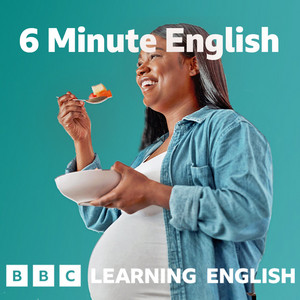
Pregnancy is a transformative period characterized by profound physiological changes and unique nutritional demands. The popular idiom "eating for two" serves as a colloquial reference to the state of being pregnant, highlighting the biological reality that a mother is fueling both her own body and the developing fetus. However, as explored in the BBC's 6 Minute English, this journey involves more than just caloric intake; it is a complex balance of physical health, emotional well-being, and dietary management.
The Physiological Shifts: When the Body Goes "Haywire"
Pregnancy often forces women to navigate unexpected changes. As presenter Jagger Wise noted, her body seemed to go "haywire" during her pregnancy—a term used to describe when something stops working properly or becomes difficult to control. One notable example provided was the sudden increase in nosebleeds, a phenomenon she could previously "count on one hand." This idiom, which implies that something is rare or limited in number, emphasizes how drastically the body’s baseline functions can shift during gestation.
Managing Cravings and Nutritional Guilt
One of the most discussed aspects of pregnancy is the emergence of intense "cravings"—a strong, often overwhelming desire for specific foods. While these cravings can range from the nutritious to the indulgent, they frequently lead to a "binge," an act of doing something to excess, such as consuming large amounts of chocolate.
Nutritional therapist Henrietta Wilson emphasizes that women often experience undue guilt when their bodies demand comfort foods, particularly during the first trimester. During this "critical window," the body may perceive physiological stress, leading to a desire for less-than-ideal foods like chips. Wilson advises against using the metaphorical "cat o' nine tails." Historically a whip used to punish prisoners, this phrase is now used to describe the harsh ways individuals punish or criticize themselves.
The Importance of Self-Compassion
Ultimately, the guidance provided suggests that pregnancy is not a time to "give yourself a hard time"—a phrase meaning to treat yourself badly by blaming or criticizing your actions. Instead, the focus should be on doing one's best. While nutritional quality is vital because the mother’s body prioritizes the fetus's needs, occasional indulgence is acceptable.
Dietary Precautions: The Case of Smoked Salmon
While self-compassion is key, medical guidelines remain essential for safety. The NHS recommendations highlight that certain foods must be avoided due to the risk of bacteria. For instance, smoked salmon is specifically cited as a food to avoid, whereas oily fish and occasional treats like chips are considered safe.
Vocabulary Summary
- Eating for two: An idiom meaning to be pregnant.
- Haywire: To stop working properly or become erratic.
- Count on one hand: To emphasize that something is rare or occurs in small numbers.
- Binge: Engaging in an activity, such as eating, to excess.
- Cat o' nine tails: A metaphor for self-punishment or harsh self-criticism.
- Give yourself a hard time: To treat oneself poorly through blame or criticism.
In conclusion, pregnancy is a unique life stage that requires a delicate balance of careful dietary choices and the psychological grace to navigate the body's unpredictable changes without unnecessary self-reproach.
Deep Learning with ListenLeap


