
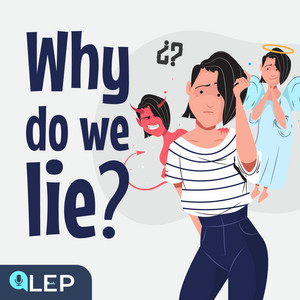
[The Psychology of Deception: Understanding Why We Lie and How to Build Trust]-[Do We Need To Lie?]
📋 Summary
The Psychology of Deception: Navigating Human Honesty
Lying is a universal human experience, yet it is often misunderstood as a simple act of malice. By examining the motivations behind our deceptions, we can gain deeper self-awareness and foster stronger, more authentic relationships.
The Multifaceted Motivations Behind Lying
People lie for a variety of complex reasons, often rooted in self-preservation or social navigation. Common motivations include:
- Avoiding Trouble and Punishment: A primary driver for dishonesty is the fear of repercussions. Whether it is a child hiding a broken vase or an adult avoiding blame for a minor mistake, the desire to escape conflict is a powerful incentive.
- Protecting Privacy: Sometimes, individuals use lies as a defensive mechanism to guard personal information against intrusive questions.
- Gaining Advantages: Dishonesty can be used instrumentally, such as padding a job application, which crosses into the realm of "cheating" to secure a desired outcome.
- Social Integration: To "fit in" or be accepted by a group, individuals may fabricate shared interests, such as pretending to enjoy a TV show to align with the majority.
- Protecting Feelings: Often referred to as a "white lie," this is intended to prevent emotional harm or maintain social harmony.
The Emotional and Relational Toll
While lying may seem like a quick fix, it often carries a heavy psychological burden. The act of deceiving frequently triggers feelings of being "anxious and guilty." The stress of maintaining a falsehood, combined with the constant fear of "being caught," can negatively impact one's mental well-being.
Furthermore, lies act as a corrosive force on interpersonal connections. "Trust is built on honesty," and when that foundation is compromised, it causes others to "question if they are honest in other situations." While "white lies" are often viewed as "harmless," significant deceptions—such as those involving work or relationships—can "break trust" and result in "long-lasting problems."
Distinguishing Between Deception Types
It is essential to differentiate between the intent and the impact of our words.
- White Lies: These are minor, well-intentioned untruths meant to spare someone's feelings. They are generally considered acceptable if they prevent unnecessary hurt without causing significant trouble.
- Bad Lies: These involve important matters and carry the potential to cause serious damage to relationships. When a lie is discovered, it often leads to sadness and anger, making it difficult to maintain closeness.
Cultivating Honesty and Trust
Building and maintaining trust requires conscious effort and a commitment to transparency. To foster better habits, consider the following:
- Practice Gentle Honesty: Being truthful does not require brutality. You can express yourself in a "kind" or "gentle" way—for example, telling a friend their new look is "not my favorite" rather than being overly blunt.
- Prioritize Clear Communication: Misunderstandings are often the breeding ground for future lies. Being "clear and direct" and avoiding the temptation to "hide things" helps prevent conflict.
- Active Listening: Building trust involves showing respect. By giving someone your "full attention" and putting away distractions like phones, you demonstrate that you value their perspective.
- Embrace Forgiveness: Because "everyone lies sometimes," it is vital to forgive both yourself and others. If you have lied, reflect on the "reason for each lie" to understand your triggers. If you are the one lied to, avoid reacting with immediate anger; instead, talk openly about how the deception made you feel.
Ultimately, while lying is a "normal part of being human," our goal should be to understand the underlying causes of our behavior. By prioritizing honesty and practicing empathy, we can move toward a more peaceful and trustworthy life.
Deep Learning with ListenLeap


