
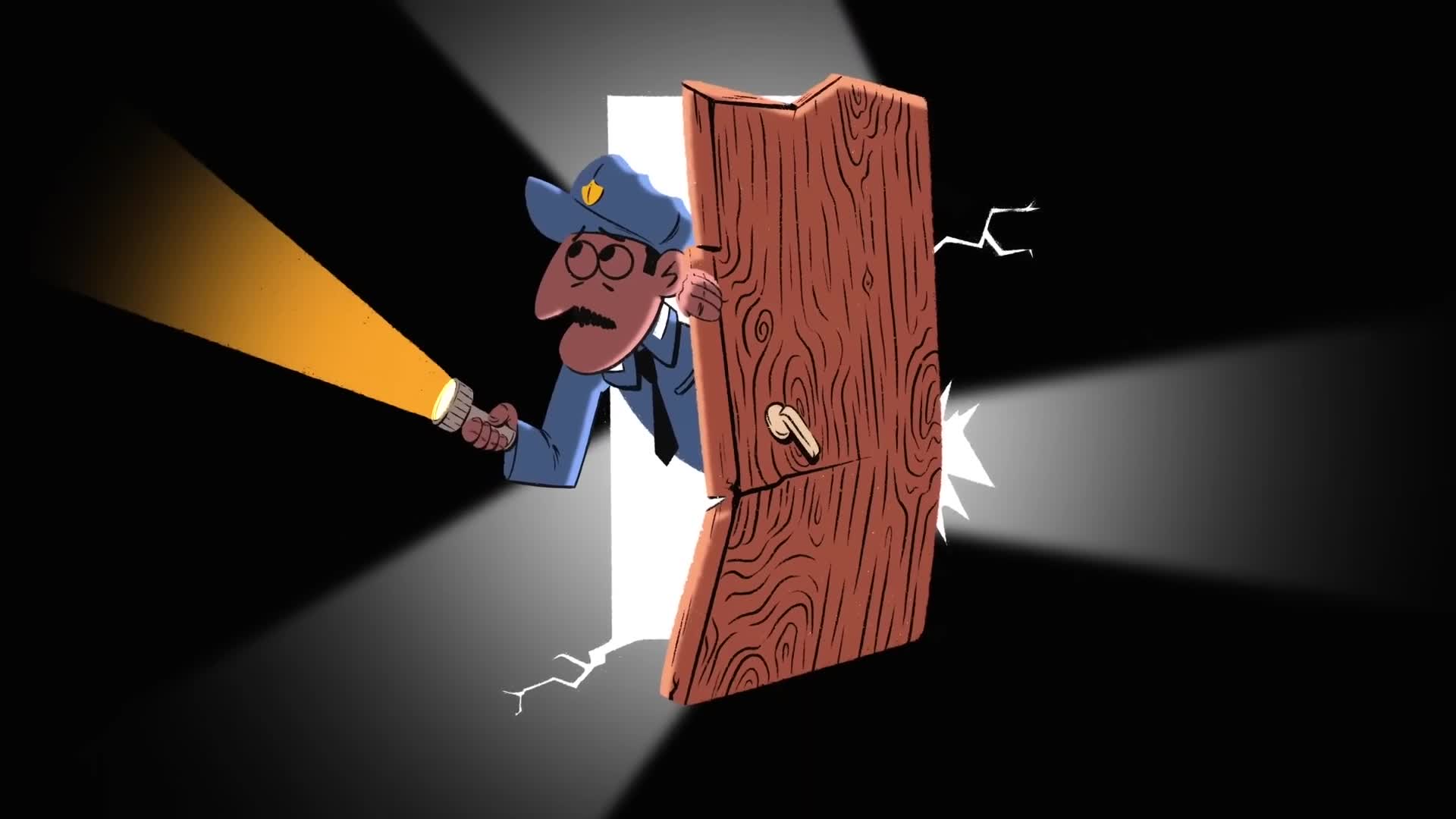
[The Silent Witness: How Luminol Unlocks Forensic Secrets in Crime Scenes]-[How did detectives solve the case of the bloody motel? - Theodore E. Yeshion]
📋 Summary
The Science of Luminol: Decoding Crime Scene Evidence
In the realm of forensic science, the ability to reconstruct a crime hinges on the invisible traces left behind. The case of Officer Stone and the investigation at a local motel serves as a masterclass in how forensic tools like luminol transform a seemingly barren crime scene into a narrative of violence and struggle.
The Initial Investigation: Identifying the Struggle
When Officer Stone arrived at the motel, the initial visual inspection suggested a "disorderly room." The presence of "red-brown stains" and a "partial shoe track" hinted at a "bloody struggle," yet these physical clues were insufficient to establish a definitive sequence of events. While Frank Carter, the tenant, lacked a history of "violent crime," the physical state of the room necessitated a more advanced investigative approach. To move beyond mere speculation, investigators turned to a specialized chemical reagent: Luminol.
The Mechanism of Chemiluminescence
Luminol, or "3-aminothalhydrazide," was introduced by "Dr. Walter Specht" in 1937. Its utility lies in a chemical reaction known as "chemiluminescence." When luminol is mixed with an oxidizing agent and exposed to "hemoglobin"—a vital protein found in red blood cells—the molecules become excited, emitting a "faint blue-white glow." This process allows investigators to visualize bloodstains that are otherwise invisible to the naked eye, even if the perpetrator has attempted to scrub the scene clean. As the text notes, it is "almost impossible to clean a bloody crime scene well enough to prevent chemiluminescence."
Reconstructing the Crime Scene
By spraying luminol across the motel's walls, floors, and ceilings in total darkness, the forensic team was able to capture a fleeting, 30-second window of evidence. The resulting patterns were diagnostic:
- Spattered spots: Indicated an "impact wound" and a violent struggle.
- Shoe track impressions and handprints: Correlated with "drag marks" on the floor.
- Negative space: The "absence of a reaction" provided critical information, revealing where objects or people had blocked blood from hitting a surface.
Following the trail from the "foot of the bed" to the "parking lot," investigators concluded that the victim had been moved into a vehicle. This visual narrative provided the necessary momentum for the investigation.
The Limitations: Presumptive vs. Confirmatory Testing
Despite its power, luminol is a "double-edged sword." Because of its "high sensitivity," it can produce false positives by reacting to "cleaning agents like bleach" or materials containing copper. Consequently, luminol is classified as a "presumptive blood test." It serves to indicate the possible presence of blood rather than confirming it. To maintain the integrity of a criminal case, investigators must follow up with a "confirmatory test" that reacts specifically to hemoglobin, followed by "DNA tests" to identify the specific source of the biological material.
Conclusion: From Motel to Confession
In the case of Frank Carter, the application of luminol and subsequent DNA analysis proved pivotal. The forensic evidence confirmed that the blood in the motel belonged to Carter, shifting his status from suspect to victim. This breakthrough led to a coordinated effort with state troopers who had intercepted a vehicle with suspicious stains. Luminol testing within the car revealed further traces, and with the "overwhelming evidence" provided by DNA confirmation, the driver ultimately confessed. This case illustrates that while criminals may attempt to sanitize a crime scene, the scientific principles of chemiluminescence ensure that the truth remains visible to those who know how to look.
Deep Learning with ListenLeap


