
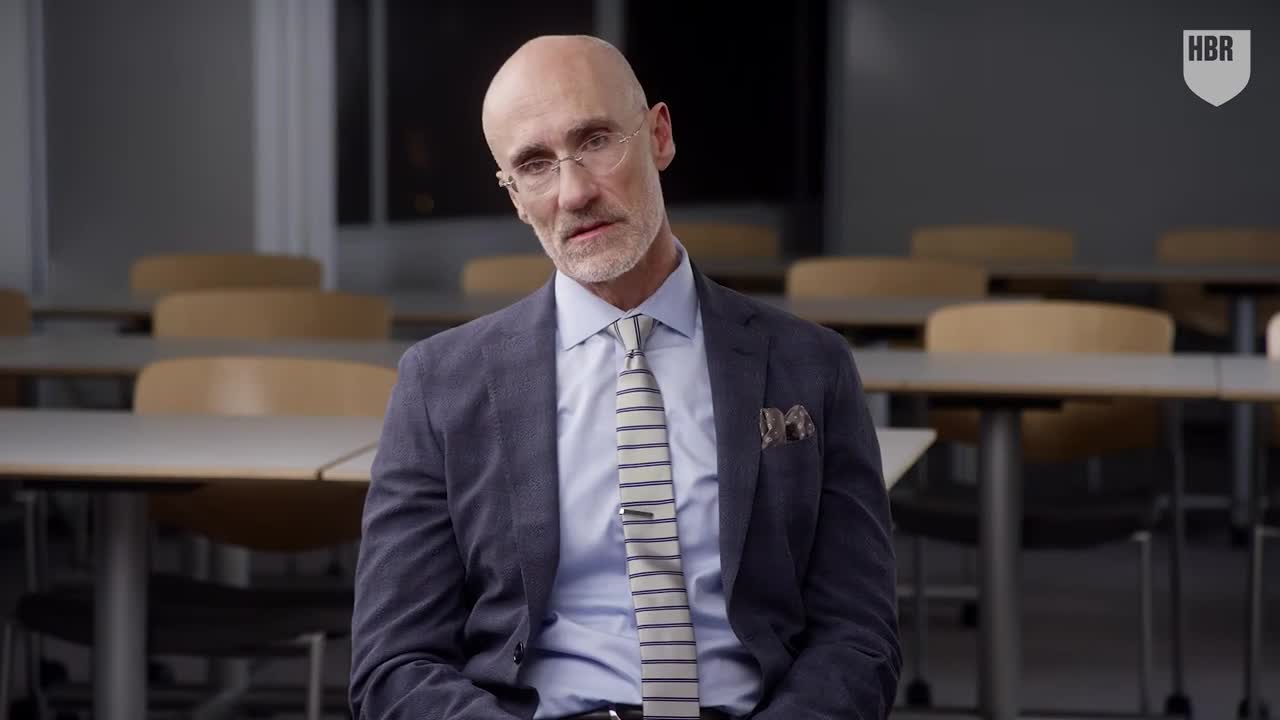
[The Distinction Between Empathy and Compassion in Leadership]-[Deliver Hard News with Compassion]
📋 Summary
The Crucial Distinction: Why Compassion Outperforms Empathy in Leadership
Leadership is inherently challenging, and perhaps the most daunting responsibility a leader faces is delivering "hard news." Whether it involves individual terminations or large-scale organizational restructuring, the weight of these decisions is significant. Many leaders fall into the trap of avoiding these difficult moments because they are uncomfortable. However, the speaker—drawing on their experience as a CEO—argues that avoiding these tasks is a failure of leadership. The core of this failure often lies in a fundamental misunderstanding of two concepts: empathy and compassion.
The Trap of Unaccompanied Empathy
The speaker posits that empathy, while often lauded, can become a liability when it stands alone. Empathy is defined as the ability to "feel somebody else's pain." When a leader is "motivated entirely by empathy," they risk becoming "handcuffed" by their own emotional response.
If a leader relies solely on empathy, they often find it paralyzing to execute difficult decisions, leading to procrastination. This delay is counterproductive; by waiting too long to deliver bad news, the leader often makes the situation "even more damaging to other people." In this context, empathy becomes an "unaccompanied virtue" that, when sheared off from the necessary actions of management, can quickly "turn into a vice."
The Four Pillars of Compassionate Leadership
In contrast to the paralyzing nature of raw empathy, the speaker champions compassion as the hallmark of the "greatest leaders." Compassion is not a soft alternative to action; it is a rigorous, four-part framework:
- Understanding the problem: Grasping the reality of the situation without denial.
- Feeling the pain: Empathizing enough to stand in the shoes of those affected.
- Rational analysis: Determining what objectively needs to be done.
- Courage: The strength to execute the decision.
Compassion is superior because it is rooted in the belief that "you love people enough to do what actually needs to get done." It is not about avoiding the hard news; it is about delivering it with a clear purpose and a plan to support those affected.
Practical Application: The Downsizing Scenario
To illustrate the difference, the speaker uses the example of a 20% workforce reduction. A leader driven by pure empathy might avoid the conversation, causing anxiety and instability. A compassionate leader, however, understands why the downsizing is necessary, empathizes with the employees' transition, prepares a structured plan for the communication, and possesses the "courage to get it done quickly." This approach is described as "fundamentally superior in every way" because it prioritizes the long-term interests of everyone involved.
Preparing for the Hardest Conversations
Recognizing that these moments are emotionally draining, the speaker suggests that leaders must "grease the skids" by preparing their own mental and spiritual state before entering the room. Whether through "meditation, visualization, or prayer," the goal is to cultivate a sense of loving-kindness and internal fortitude. By praying for the people being affected and asking for the "courage" to act, a leader can ensure they approach the interaction with the right mindset.
Conclusion
Ultimately, empathy is not to be discarded—it is "step number two of four steps." The danger lies in empathy that is uncoupled from reason and action. True leadership requires the courage to move beyond the emotional weight of empathy and into the decisive, clear-eyed, and compassionate action that organizations require to navigate difficult transitions.

Deep Learning with ListenLeap


