
[The Ten Thousand Masterpieces of Dafen Village: From Copyists to Artists]-[The 10,000 Masterpieces of Dafen Village]
📋 Summary
The Evolution of Dafen Oil Painting Village
Dafen Village, located in Shenzhen, China, represents one of the most fascinating intersections of labor, commerce, and art in the modern era. Once a quiet expanse of farmland, the village transformed into a global hub for art reproduction, famously responsible at its peak for 60% of the world's painting reproductions. This article explores the journey of Dafen’s painters—from industrial copyists to recognized independent artists.
The Origins of an Artistic Factory
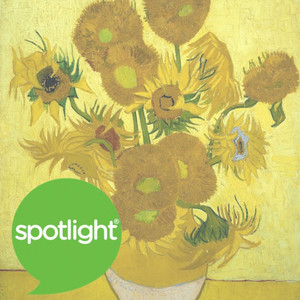
In 1989, businessman Wang Zheng recognized the potential of Dafen as a production site for art. Zheng recruited local farmers and laborers, teaching them the technical skills required to replicate Western masterpieces. As described in the documentary China's Van Goghs, the process was highly industrial. Painters like Zhou Yongzhu recalled a system where workers were organized into lines; groups of seven would each paint a specific part of a masterpiece, such as works by Van Gogh or Monet. This assembly-line approach allowed the village to produce nearly 300,000 copies, turning Dafen into a specialized manufacturing center for Western art.
Life as a Professional Copyist
The life of a Dafen painter was defined by grueling labor and challenging conditions. Zhao Xiaoyong, a prominent figure in the village, spent years perfecting the style of Vincent van Gogh. For many, the studio was a total environment—a place where they "lived, slept, and ate together," often raising their children amidst the fumes of oil paint. These painters worked through "heat and sickness for very little pay," fulfilling large orders for foreign businesses that would resell the reproductions at significant markups in Western hotels and homes.
The Economic Shift and Creative Liberation
The global economic recession of 2008 served as a turning point for Dafen. As international demand for Western reproductions plummeted, the village faced a crisis. However, this period of hardship forced a transition. With less pressure to churn out copies, painters finally had the "time to be creative." Zhao Xiaoyong began shifting his focus toward original work, starting with portraits of his hometown and scenes from his own life. This shift represented a move from mere mimicry to personal expression, as he remarked, "My life is my art."
The Philosophy of Learning through Imitation
While some might view copying as devoid of creativity, many experts argue that it is a fundamental stage of artistic development. American artist Eddie Kala, speaking on the podcast 99% Invisible, compared the process to learning a musical instrument: "We always start copying. That is how learning works." By mastering the techniques of the masters, Dafen’s painters built the foundational skills necessary to eventually develop their own unique styles and voices.
Conclusion: Beyond the Copy
Today, Dafen remains a complex ecosystem. While "reproductions of Western artists still hang in shops," the village has evolved to include numerous galleries featuring original art. The former farmers who once solely replicated the work of others have transformed into artists in their own right, attracting domestic interest in themes relevant to their own culture. Dafen stands as a testament to human adaptability, proving that with enough dedication, a place defined by repetitive labor can grow into a sanctuary for genuine artistic growth.
Deep Learning with ListenLeap


