
[The Double-Edged Sword of CRISPR: Genetic Editing, Scientific Ambition, and Ethical Boundaries]-[CRISPR and the Angry Hamsters (Advanced Program)]
📋 Summary
The Promise and Perils of CRISPR: A Scientific Overview
CRISPR, a revolutionary gene-correcting technology, has emerged as a beacon of hope for medicine while simultaneously raising profound ethical and biological concerns. By allowing scientists to target, remove, or modify specific parts of an organism's DNA, CRISPR offers a potential cure for once-untreatable genetic conditions. However, as recent experiments demonstrate, the complexity of biological systems means that our ability to modify genes may far exceed our current understanding of their consequences.
The Potential to Heal: Targeting Genetic Diseases
At its core, DNA functions as the blueprint for all living things, determining traits from physical appearance to susceptibility to disease. Genetic conditions such as cystic fibrosis, sickle cell disease, and certain cancers are written into this internal code. For individuals suffering from these illnesses, traditional medicine often offers only management rather than a cure.
Samarth Kulkarni, Chief Business Officer of CRISPR Therapeutics, highlights the transformative potential of this technology. He notes that CRISPR allows scientists to "target the hidden cause of a disease," potentially correcting the underlying genetic errors that lead to chronic illness. By fixing the DNA itself, scientists believe they can "heal what people did not think could be healed," offering hope for both rare and common genetic disorders.
The Complexity of Biology: Lessons from the Hamster Experiment
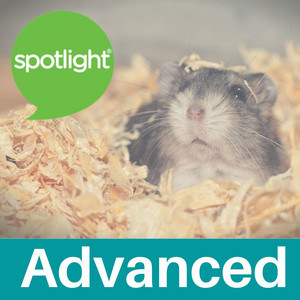
Despite the medical optimism, the biological reality remains unpredictable. H. Elliot Albers, a neuroscientist at Georgia State University, conducted a study that serves as a cautionary tale. By using CRISPR to remove a chemical called "vasopressin" and its corresponding "vasopressin receptors" in hamsters, Albers intended to create more peaceful animals. Instead, the hamsters became unexpectedly aggressive.
This experiment underscores a critical limitation: "We do not understand this system as well as we thought we did." The brain and the genome function as a complex network, not a series of isolated switches. Albers’ findings suggest that changing one gene or receptor can have cascading, unforeseen effects across the entire organism. This highlights the danger of intervening in biological systems without a complete map of how those systems interact.
The Ethical Frontier: Germline Editing and Human Safety
Perhaps the most controversial application of CRISPR is the modification of human embryos. Unlike treatments for adults—which target specific cells to treat existing issues—editing an unborn baby's genes permanently alters their development.
International standards and most governments currently deem such practices illegal and unethical. The case of Dr. He Xiangqiu, who was imprisoned for altering the genes of unborn babies, serves as a stark reminder of these boundaries. His work risked introducing "genetic mosaicism," a condition where a person possesses both normal and abnormal genetic patterns within their cells. This condition can lead to severe "developmental problems" and an increased risk of cancer. Because the long-term impact of these changes is unknown, such interventions are viewed as both medically dangerous and morally fraught.
Moving Forward: Balancing Innovation and Responsibility
CRISPR is undoubtedly a transformative technology. Like any medical advancement, from surgery to pharmaceuticals, it carries inherent risks, including potential side effects. However, the goal of the scientific community must be to harness these tools with caution and equity.
Nesson Birmingham of Intellia Therapeutics emphasizes the need for a global perspective, stating that the objective is to ensure that "all people around the world suffering from a genetic disease can use this technology." As we stand on the precipice of a new era in medicine, the challenge lies in balancing the thrill of scientific discovery with the humility required to respect the complexity of the human genome. While the prospect of curing the "impossible" is within reach, it requires a commitment to safety, ethical oversight, and a deep understanding of the biological systems we seek to change.
Deep Learning with ListenLeap


