
[The Timeless Story of Earth: An Introduction to Geology]-[Crash Course Geology Preview]
📋 Summary
Unearthing the Wonders of Our Planet: An Introduction to Geology
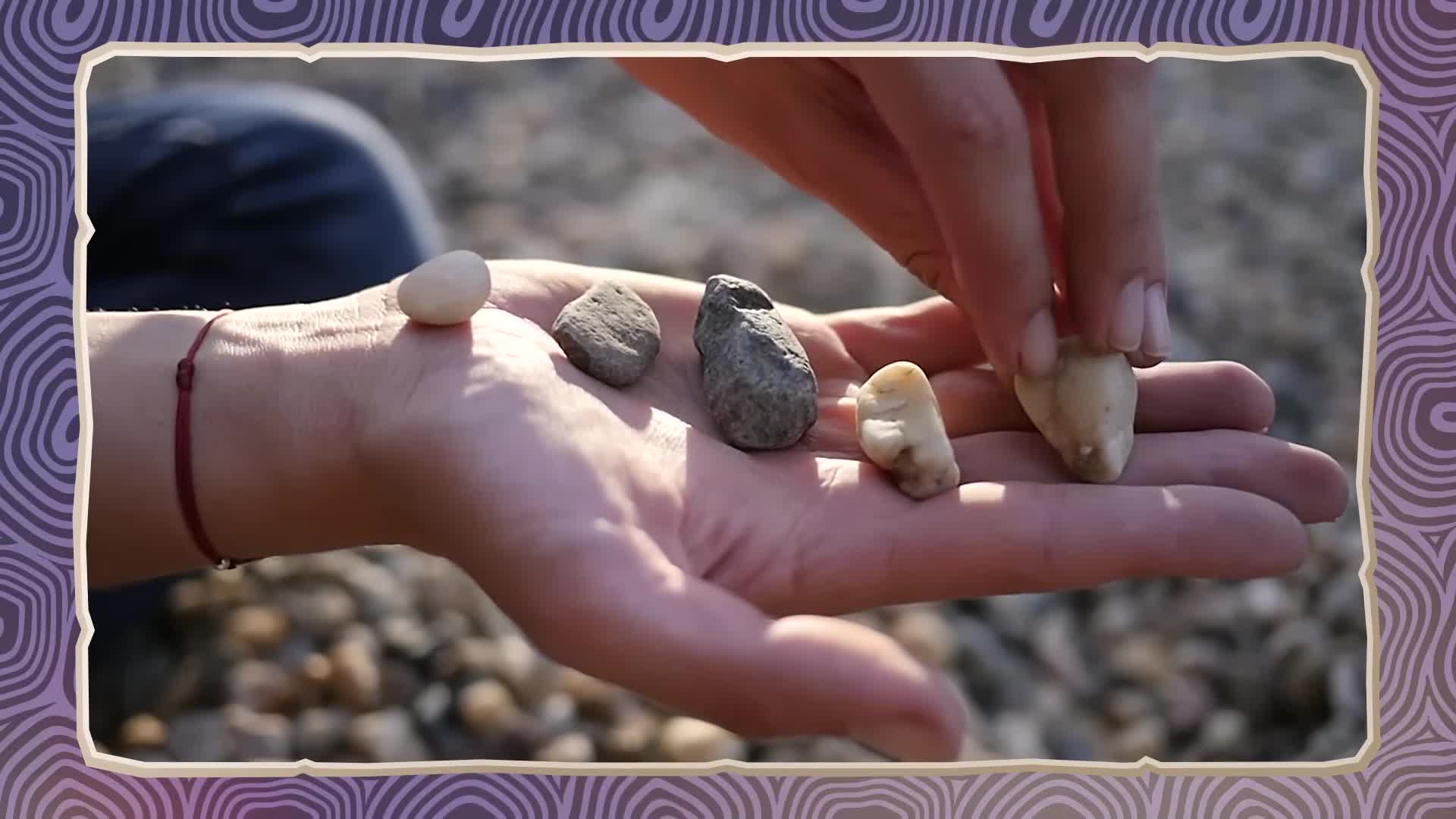
Geology is often reduced to the simple, universal appreciation of a "cool rock." As Sage, the host of Crash Course Geology, points out, the phrase "Ooh cool, rock" is a linguistic bridge connecting us to our ancestors and the innate curiosity of our childhood. However, this introductory episode establishes that geology is far more than a hobby for rock collectors; it is the fundamental study of the "powerful forces that shape the world."
The Deep History of Earth
Throughout human history, rocks have been central to our survival and civilization. We have "transported them across long distances," "admired them," and "built pyramids and skyscrapers out of them." These materials are not merely static objects; they are vessels of history. By studying "fossils and layers of rock," geologists can "clue us into what happened before" humans arrived, a period Sage describes as arriving "fashionably late to the party."
The upcoming 25-episode series aims to "dig deep into the forces that shape our planet from the inside out." This journey will take viewers back to "Earth's fiery youth," exploring the "churning dynamic forces that sculpt its surface." Understanding these forces is essential, as they are the very mechanisms "making it possible for you and me to exist at all."
Geology in the Modern Era
While the past is a primary focus, the series emphasizes that geology is inherently linked to the present and future. The relevance of earth science is found in the "minerals that power electric cars," the "gems that decorate our fingers," and the essential needs of modern society, such as "clean water" and "healthy soil."
Furthermore, geology acts as a crucial tool for human survival and sustainability. It is about "preparing for hazards like earthquakes and volcanic eruptions," as well as tackling global challenges by "tapping Earth's geothermal energy" and "finding rocks to store excess carbon." By studying these processes, we gain a "whole new perspective" on our existence.
Beyond the Surface: A Cosmic Perspective
Sage highlights that the scope of geology extends well beyond terrestrial boundaries. It encompasses "asteroids and deep-sea trenches and worlds beyond our own." This expansive view reminds us that even a "tiny, ordinary pebble" serves as a microcosm for the "enormous timescales that stretch beyond us."
By integrating the expertise of the host—who describes herself as an "artist and a creator who is obsessed with earth science"—the series promises to bridge the gap between complex scientific inquiry and accessible storytelling. With the help of the mascot "Duane the Pet Rock" to provide context on the lore of our planet, the series invites viewers to look at the ground beneath their feet not just as dirt and stone, but as a living, evolving narrative of which we are only the most recent chapter.

Deep Learning with ListenLeap


