
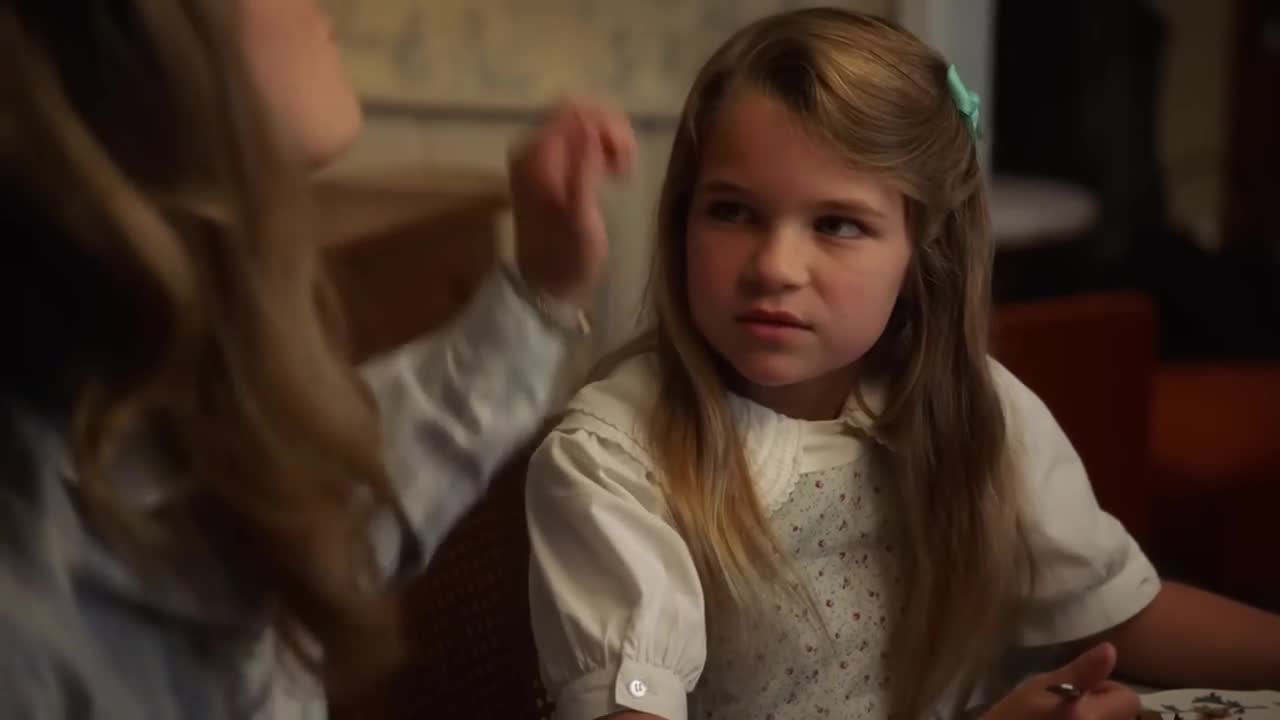
[Generational Dynamics and Unspoken Bonds: A Reflection on Mother-Daughter Relationships]-[The Cooper Gals Have a Salon Day | Young Sheldon]
📋 Summary
Generational Dynamics and Unspoken Bonds: A Reflection on Mother-Daughter Relationships
The Anticipation of Shared Experiences
The narrative begins with a stark contrast between two parallel experiences. While the men of the family are preparing for an excursion to witness the launch of a "working spacecraft"—an event that captures the imagination of the younger generation—the women are left to navigate their own domestic space. The excitement surrounding the space launch serves as a backdrop, emphasizing the differing interests and expectations placed upon family members. This initial separation creates a vacuum that allows for a deeper, albeit tension-filled, exploration of the relationship between a mother, her daughter, and the grandmother, Meemaw.
The Clash of Parenting Philosophies
As the trio finds themselves alone, the conversation quickly shifts from lighthearted topics like visiting a "beauty salon" to the underlying friction regarding parenting styles and boundaries. The daughter’s desire for self-expression, specifically through wanting "orange hair like Cyndi Lauper," becomes a flashpoint. The mother’s refusal, characterized by the daughter as being "no fun," highlights the classic struggle between youthful rebellion and parental authority. The grandmother’s presence adds a layer of complexity; she is seen as the more lenient figure, encouraging the daughter's desires, which inadvertently pits the mother against her own child. The mother’s frustration is palpable as she defends her role, stating, "I don't like you making me out to be the bad guy just because I won't let my daughter do whatever she wants."
Unearthing Buried Resentment
Beneath the surface of the hair-dye debate lies a much deeper, long-standing resentment. The daughter accuses the mother of neglect, claiming, "You were never around," and suggesting she "raised herself like a jungle child." This accusation strikes at the core of their strained relationship. The mother, however, provides a defensive counter-narrative, explaining the harsh economic realities of her past: "I was out working two jobs so your daddy could lose all our money." This exchange reveals that the mother’s perceived absence was not a choice, but a necessity born of financial instability. The daughter’s bitterness and the mother’s defensive posture reflect a cycle of misunderstanding that has persisted for years.
The Fragile Path Toward Reconciliation
Despite the heated nature of their argument, the climax of the conversation reveals a surprising vulnerability. The mother admits that she didn't want to be absent, confessing, "You think I didn't feel bad not being around more than I wanted to be?" This moment of raw honesty begins to bridge the gap between them. The mother’s admission that she begged the family to move back to Medford so she could be closer to her grandchildren—and her daughter—underscores a desperate desire for connection.
Final Reflections
The dialogue concludes with a bittersweet acknowledgment of their reality. While the daughter remains skeptical of the mother’s sentimentality, the mother’s acknowledgment—"you raised yourself better than I ever could"—serves as a complex blend of apology and pride. The reconciliation is not perfect; there is no grand resolution to their history of conflict. Instead, there is a quiet, begrudging acceptance. The story illustrates that beneath the accusations of being "dramatic" or "no fun" lies a fundamental human need for recognition and belonging. The relationship between the two women is defined not by the absence of conflict, but by their mutual, albeit difficult, commitment to maintaining a connection despite the scars of the past.

Deep Learning with ListenLeap


