
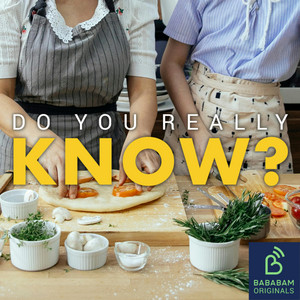
[The Therapeutic Power of the Kitchen: How Cooking Boosts Mental Well-being]-[Why does cooking benefit our mental health?]
📋 Summary
The Therapeutic Power of the Kitchen: How Cooking Boosts Mental Well-being
For many, the kitchen is a sanctuary, a place to "scour Pinterest for hours" and practice the craft of turning ingredients into nourishment. For others, however, the kitchen represents a "hassle and a bother," synonymous with the exhausting chores of grocery shopping and cleaning. Yet, there is a profound connection between the act of cooking and mental health that often goes overlooked. By understanding the psychological mechanisms behind culinary tasks, we can transform a daily chore into a powerful tool for self-care.
Entering the Flow State
According to certified psychology advisor and life coach Bayu Prehandito, the primary mental benefit of cooking lies in the "flow state." This is a psychological condition where an individual is "fully engaged in an activity," allowing them to detach from external pressures. Engaging in "simple tasks like measuring, chopping and stirring" demands a specific level of "attention and concentration." This cognitive requirement acts as a grounding mechanism, "anchoring you in the present moment" and effectively helping to "ignore unwanted thoughts and anxiety."
The Neuroscience of Achievement and Reward
Cooking provides a unique structure for success. Unlike the amorphous stresses of daily life, cooking offers a "clear goal"—the creation of a meal—that can be achieved within a "set time frame." This process of creating something "tangible" triggers the brain's reward system. As the podcast notes, this activity leads to a "dopamine release," which naturally functions to "boost your mood." This sense of achievement is vital for individuals who feel they have "limited control" over other aspects of their work or personal lives, as the kitchen becomes a space where mastery is both possible and immediate.
Strategies for Mindful Cooking
To harness these benefits, it is essential to approach cooking as a form of "self-care" and "compassion towards yourself." The following strategies can maximize the psychological return on your culinary efforts:
- The Transition Ritual: Use cooking as a buffer between professional life and leisure. Preparing a meal upon returning home can serve as a transition from the "stress of the workday to a relaxation period."
- Start with Familiarity: Especially when experiencing high stress, avoid the pressure of complex techniques. "Familiarity provides comfort and a sense of control," which significantly reduces "mental strain."
- Progressive Exploration: Once stress levels decrease, move toward exploring new recipes. This deliberate expansion "stimulates your brain's reward pathways," fostering feelings of "creativity, discovery and accomplishment."
Social Bonding and Connection
Beyond the individual benefits of mindfulness, cooking serves as a bridge for social connection. "Cooking for loved ones" enhances the sense of achievement and provides a perfect framework for "social bonding moments." Whether it is hosting themed events like "Taco Tuesday" or "Fajita Friday," cooking with friends or family transforms a solitary task into a communal experience, further reinforcing the positive mental health outcomes associated with the kitchen.
In conclusion, whether it was the solitude found during lockdown or the daily pursuit of a balanced meal, cooking is far more than a means to an end. It is an act of mindfulness that balances concentration, reward, and social connection, ultimately serving as a robust mechanism for maintaining mental equilibrium.
Deep Learning with ListenLeap


