
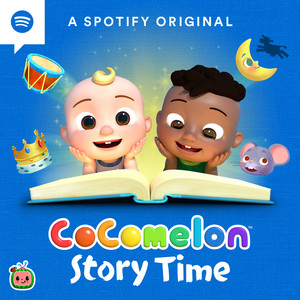
[The Interconnected World of Storytelling: From Classic Fables to Creative Transformations]-[CoComelon Story Time - Out Now! ]
📋 Summary
The Power of Collaborative Storytelling
The provided transcript serves as a fascinating look into the fluid and imaginative nature of modern storytelling. By blending iconic characters from disparate literary traditions—ranging from the nursery rhyme figure Humpty Dumpty to the well-known antagonists of The three little pigs and the big loud wolf—the narrative explores how creative adaptation can breathe new life into timeless tales.
The Theme of Reconstruction and Gratitude
At the heart of the opening segment is the motif of restoration. When Humpty Dumpty expresses his gratitude to Dr. Duck, stating, "Thanks so much for your help, my friend. You put me back together again," it highlights a departure from the traditional tragedy of the original rhyme. Here, the narrative shifts toward a supportive, communal environment where characters assist one another in overcoming their inherent vulnerabilities. This sense of cooperation is further exemplified as Jack waves goodbye to his "bubble bath friends," signaling a transition from personal solitude to a shared, fantastical journey as they exit "out of Jack's bathroom" and ascend the "beanstalk."
Subverting Traditional Conflict
The interaction between the pigs and the wolf represents a radical subversion of archetypal conflict. Rather than the wolf serving as a predatory force, the characters engage in a scene of mutual appreciation. The pigs exclaim, "Thank you, wolf. Thank you," turning the "big loud" nature of the wolf into a source of positive contribution. This creative pivot suggests that storytelling can be used to reshape historical tensions, turning former enemies into allies who celebrate their collective achievements through the phrase, "Look what I did with my big loud."
The Metaphysical Quest for Identity
The podcast concludes by bridging these Western narratives with Eastern folklore, specifically referencing "a story from India about a little mouse who wished he could be a tiger too." This shift introduces the philosophical concept of transformation and the human (or animal) desire to transcend one's natural state. When the narrator poses the question, "What do you think happened next, Cody?" and receives the answer, "He turned Shoto into a tiger," it underscores the limitless agency found in storytelling. The transition from a "little mouse" to a "tiger" symbolizes the ultimate expression of internal desire manifesting through external change.
Conclusion
Ultimately, this podcast highlights that stories are not static entities. Whether it is the physical reconstruction of Humpty Dumpty or the metaphysical transformation of a mouse into a tiger, the narrative structure remains a tool for exploration. By allowing characters to cross boundaries—moving from bathrooms to beanstalks, or from fables to tigers—the storytellers invite the audience to participate in a world where "help" and "wishes" define the outcome rather than traditional misfortune.
Deep Learning with ListenLeap


