This message comes from NPR SponsorDiscover.
When you hear a goodidea, it's natural to do a doubletake.
Check thisout. Discover will automatically double all the cash back you've earned on your credit card at the end of your firstyear.
See terms at discover.com slash creditcard.
You're listening toLifeKit.
FromNPR.Hey, what's upeveryone?
Andrew Limbong here in for MarielStagera.
Allright, maybe you've been herebefore.
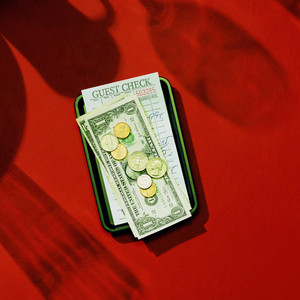
You're dining out with yourfriends, you orderedappetizers, maybe you got a bottle for thetable, you all went in ondessert, and then the billarrives.
Now how do you handleit?
Is there an awkward race to thewallets?
Does one person claim the credit cardpoints?
What if you only got a salad while your buddy splurged on the surf and turfspecial?
How do you ensure everyone walks out of the restaurant feeling good about how the check washandled?
It's like the closure of themeal.
Youknow, you have yourappetizers, you have yourentrees, you have yourdessert, and then you have yourargument.
That's KikiAeronita. She's a food writer for the strategist and she has a long career in the restaurantworld.
As aserver, as abartender, I've also owned my ownrestaurant.
Kiki started working in restaurants long before those little portable credit card machines werearound.
Basically we would like get a piece of paper out and try to do all the calculations according to how many guests were in the party and try to split it thatway, but that would hold it at theline.
The servers would dothat?
Yeah. With paper andpen?
Yes. Oh mygod.Yeah, I mean that's how things weredone, like just up until a few yearsago.
Wow. They should get a tip for doingthat.
That doesn't normallyhappen.
By and large things are easier now for the waitstaff, but technology still hasn't solved the social problem of who pays for whatwhen?
One, life kits Malca Grebe spoke with Kiki about the etiquette of splitting a restaurantbill.
They'll cover common dining scenarios and discuss how to dial down the awkwardness while keeping things fair andsquare.
Because whether you're eating family style at Korean barbecue or just getting rounds at thebrewery, handling the check shouldn't be a sore spot at the end of thenight.
This message comes from in PRsponsor, the NatureConservancy, dedicated to addressing climate change and species loss forhumanity.
By working acrosscommunities, oceans andills, the Nature Conservancy is delivering solutions for the planet and building a future where people and naturethrive.
The NatureConservancy, together we find away.
Learn more at nature.org slashsolutions.
Support for this podcast and the following message come fromBetterHelp.
It's easy to compare your life to everyoneelse's, but comparison is the thief ofjoy.
Therapy can help you focus on what you need to live your best life instead of dreaming about someoneelse's.
Give BetterHelp Online Therapy atry.
Just fill out a brief questionnaire to get matched with a licensed therapist and switch therapists any time for no additionalcharge.
Stop comparing and start focusing at BetterHelp.com slashNPR.
This message comes from NPR sponsorWhatsApp.
Texting between two different kinds of phones can sometimes make communicationdifficult, but withWhatsApp, everyone can enjoy messaging with the added protection of end-to-endencryption.
Streamline your messages across all devices onWhatsApp, message privately witheveryone.
Support for NPR and the following message come fromIndeed.
You're driven by the search forBetter.
But when it comes tohiring, the best way to search for a candidate isn't to search atall.
Don't search match withIndeed.
Join more than 3.5 million businesses worldwide that use Indeed to hire great talentfast.
Get a $75 sponsored job credit to get your jobs more visibility at Indeed.com slashLifeKit.
Terms and conditionsapply.
This message comes from the Science of Happinesspodcast.
Eachweek, learn from real-life stories about lab-tested practices tode-stress, connect withothers, spark joy andmore.
The Science of Happiness is produced by PRX and UC Berkeley's Greater Good ScienceCenter.
Let's first talk about what it means to split a bill because it doesn't necessarily mean you're splitting the checkevenly.
It's like kind of anart.
There's practicalconsiderations, socialconsiderations, financialconsiderations, youknow, airline milesconsiderations.
So tell me a little bit about what splitting the bill means toyou.
Wow.Okay. Allright. That is that is a bigquestion.
Spitting the bill at face value is justlike, allright, I'm going to pay for my share and you're going to pay for yourshare.
And somewhere there's going to be a sense ofequality.
I'm whether or not like maybe you got three drinks or I got two or maybe you got all the drinks and I gotnone, maybe you will cover thetip.
So we'll split thecheck, but there will be a sense of equality and how the funds are divviedup.
And then what scenarios might it not really be good etiquette to split a restaurantcheck?
So splitting the check can get very difficultif, forexample, like if I saylike,Hey, I'm taking you out fordinner.
That means I'm going to pay thebill.
I don't expect you to pay for your ownshare.
So it depends on the communication and what you say at this initiation of the date that factors a lot into who's going to pick up the bill or whether or not you're going to split thecheck.
I think you need to manage expectations and be veryclear, especially if you are inviting somebodyout.
And there's any concern of financial hardship or not being on the same financialfooting.
You need to make it very clear who's going to payupfront.
I don't think it has to be much more difficult thanthat.
So that's takeawayone.
If you've decided to split thebill, talk about theparticulars.
Is everyone doing separatechecks?
Is everyone splitting the billevenly?
A conversation ahead of time can avoid chaos once the checkarrives.
Let's talk about one of the most common scenarios that people might face when eating out withfriends.
That'salcohol,right?
So like some people order acocktail, some people order a can ofbeer, some people order no alcohol atall.
And then how do you handle the check at the end of thismeal?
So I really thinkthat, and hopefully you don't drink to the point where you forgetthis, I really think that the people who are drinking should be conscious of the ones whoaren't.
So that when it comes to thebill, maybe they can pick up a larger portion of the tip or the tipentirely, but they should be sensitive to the people who aren'tdrinking.
But whathappens? This alwayshappens.
Like,oh, let's just split thebill.
And then the one person who didn't order drinks is left paying tens of dollars more than they were supposedto.
What should theydo? Should they soak in acorner?
Should they take somebody aside andsay,like, I don't think this isfair.
What should this poor persondo?
So first ofall, don't get upset and just belike,hey,guys, I didn'tdrink.
And usually that is enough to belike,oh,right, let's reconfigure the bill a little bit to make it morefair.
It should be fine if you just speakup.
The problem's only a rise when somebody doesn't speakup.
Right. And just so we make thisclear, this rule applies for like anybody who orders extrastuff,right?
Like adessert, youknow, like a expensive stuff like thelobster,etc.
Yeah, justcommunicate.
Like if you'relike,hey, like you had twodrinks, but only anappetizer.
And I ordered three lobstertails.
Like, let's see what's fair aboutthis.
That is takeawaytwo. Speak up if you think you're unfairly paying for something on thebill.
If you don'tdrink, but everyone else ordered round after round of $20 orcocktails, it doesn't make sense for you to have to pay for those drinkstoo.
Your dining partner should be able to adjust your share of the billaccordingly.
Okay, so this is something that I do all thetime.
I always jump thegun. I'm terribly guilty aboutthis.
I take my friend's restaurant that I reallylove.
And when the server comesaround, like I just start ordering like all the appetizers that I think they're going tolove.
Like I just getreally, reallyexcited.
Because I'm assuming my friends are going to love it and they want to eat it as much as Ido.
So then what's the way to approach the bill at the end of thismeal?
Do I pay forit? Because I was the one who ordered it without theirconsent, even though that they ate it or whathappened.
I think you have to get their consent at the beginning of themeal.
And you'relike,hey, is it cool if I order appetizers for thetable?
Then the table has to agree and give youconsent.
And then you'relike,okay,cool.
Otherwise, you're going to probably stuck with a largerbill.
Yeah,yeah, you'reright.
Okay, so this is a scenario that I experienced recently at a groupdinner.
Someone showed up late after the apps had been ordered inEaton.
But then when theyarrived, it was time for like us to all order like an entree and a couple ofdrinks.
And so they basically ate dinner and thedrinks, but they missed theappetizers.
How should the group manage thesituation?
The easiest way to deal with the situation is when you are ready toorder, say that you want your stuff on a separatecheck.
If that annoying for theserver,no, it's just a separatecheck.
That is easier to deal with than having to split a check in complicated percentages at the end of thenight.
So that's take awaythree.
Mind theserver. It's fine to ask for separatechecks, but make sure you tell them at the start of themeal, not theend, so they can make a note as they take yourorders.
The worst they'll say isno.
I also asked Kiki how many credit cards are too many when splitting thebill.
Imean, splitting two ways is really not a bigdeal.
If you're a party ofsix, just do two credit cards and figure it out amongstyourselves.
Okay, so if you want to do three or four creditcards, that's finetoo, but read theroom.
If it's a busynight, it might be a lot to ask theserver.
Also, if one person is putting their card down foreverybody, try to settle up in themoment.
I don't like owing anybodyanything, so sometimes we'll even settle the payment requests at the table or rightafterwards.
I'll belike,please, just send me a paymentrequest.
I don't want toforget. I mightforget, so just send meone.
It'sfine. Just send it tome.
That brings us to take awayfour.
Make it easy on everyone and use anapp.
There's a bunch of options out there for instant payment and also ones that help keep Tally of a billover, say a week into way withfriends.
Kiki mentioned she uses one called KittySplit.
Kitty Split is a website that you can set up a system of splitting amongst yourfriends.
So forexample, I went to France with 10 of my closest friends and everybody was like picking up different bills and nobody could keep track of who ordered what or who owed what or who said they would pay forwhat.
So anticipating thescenario, we started a Kitty Split and every time somebody waslike,okay, I'm going to pick up thetab, but you guys are going to pay meback.
Then you put your receipt amount into the website and at the end of thetrip, it calculates what everybody owes you or what you owe everybodyelse.
It's always a bit of a tense moment when the server comes with thebill.
If you haven't already figured out how you're going to deal with thecheck, that's when the discussion or the argumentbegins.
I remember my dad got into this huge fight with our server because he wanted to pay forlunch, but myfiance, who's now myhusband, had already paid forit.
So then my dad was directing the blame on the server and he caused such a scene that everyone in our party had to leave therestaurant.
It was soembarrassing.
Anyway,yeah, you've probably seenthis.
People are you overchecks.
This is a great past time of the world over arguing about thecheck.
So what can people do to avoid situations like that in the middle of therestaurant?
Okay. So arguing about the check is something that happens in a lot ofcultures, including the ones that I belongto.
Both sides of my family arevery,very, verylarge.
My traditional Chinese family istraditional.
There weretimes, I remember as akid, when my aunts and uncles would pretty much basically come to blows at the end of it about who's going to pick up the tab at the end of thenight.
But they did come up with asolution, and I'm very proud of them forit.
They established before we dine out who is going to pay thebill, and then they're going torotate.
And it's never like the same personconsecutively, but it's established before the meal so that you don't make it a public display at the end of thenight.
Take awayfive. Sometimes other people are going to want to pay for the wholebill, and there might be an argument aboutthat.
Butremember, that's a totally normal part of diningout.
Andhey, it may even be your turn someday to treat thegroup.
When you go out with your friends in your20s, maybe there's a closer scrutiny of the bill at the end of thenight.
But it doesn't make too much sense to nitpick too hard because your friendship willevolve, fortunes willevolve, and hopefully evolve for thebetter.
And by the time you get to your30s, like a few dollars here and there of buying somebody's coffee or splitting somebody's sandwich is really not going to be a bigdeal.
I like to say that it all comes out in thewash.
What matters more is the friendship and the feeling that you get from dining out with these people as opposed to who oweswhat.
Kiki, thank you somuch.
Yeah, ofcourse. That was chef and food writer KikiAranita.
All rightfolks, let'srecap.
Take awayone. If you're planning on splitting the bill with agroup, talk about how you're going to do that before youorder.
Thatway, there are no surprises at the end of themeal.
Take awaytwo. Be sensitive to the people in your party who didn't order as much as everyoneelse.
And if you feel like you're stuck with an unfairtab, speakup.
Take awaythree. Be considerate of yourserver.
If it's a busynight, don't make them fiddle around with 10 creditcards.
And whatever youdo, do not stiff the server of theirtip.
Take awayfour. When all elsefails, put down one card and have everyone Venmoyou.
It's easy for everyone and great for that person in your group who's obsessed with racking up credit cardpoints.
And take awayfive. Arguing over the check is a great Americanpastime.
It's an honor to be able tosay, especially among goodfriends, this is on metonight.
For more life kit check out our otherepisodes, we have one on how to tip and another on how to eat seafoodresponsibly.
You can find those at npr.org slash lifekit.
And if you love life kit and wantmore, subscribe to our newsletter at npr.org slash life kitnewsletter.
This episode of life kit was reported by life kits digital editor MalikO'Grebe.
It was produced by sillyDouglas.
Life kit's host is MarioCigarra.
Our visuals editor is backHarlan.
Megan Cain is the supervisingeditor.
The thonovan is the executiveproducer.
Our productions eat also include AndyTagle, Clamery Snyder and MargaretSerrino.
Engineering support from TedMcBain.
I'm AndrewLimbong. Thanks forlistening.
This message comes from in PRsponsor, the NatureConservancy.
Dedicated to addressing climate change and species loss forhumanity.
By working acrosscommunities, oceans andills, the Nature Conservancy is delivering solutions for the planet and building a future where people and naturethrive.
The NatureConservancy.
Together we find away. Learn more at nature.org slashsolutions.
This message comes from NPRsponsor, VionicShoes.
Solve your need for the ultimate travel friendly flat pack shoe on themarket.
Vionics Uptown is equal parts style and performancetechnology.