
[The Vestibule Incident: A Study in Social Anxiety and Self-Sabotage]-[Chandler Is Stuck in an ATM Vestibule with a Model | Friends]
📋 Summary
The Unexpected Encounter
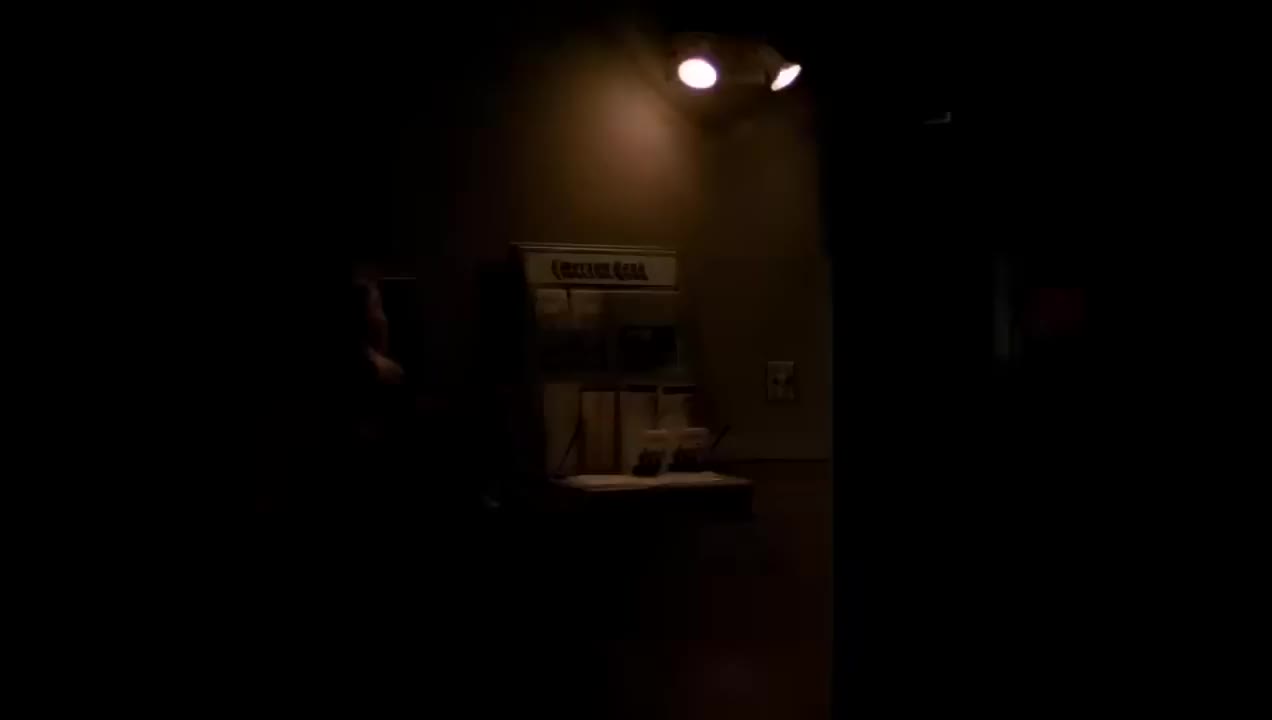
The narrative centers on a high-stress, comedic social interaction inside an ATM vestibule. The protagonist, Chandler, finds himself trapped in a confined space with Jill Goodacre, a Victoria’s Secret model. This setting, which he initially struggles to define—debating between a "vestibule" and an "atrium"—becomes the stage for a series of internal monologues and awkward social blunders. The anxiety of the situation is amplified by his desperate need to appear composed, despite his inner turmoil.
The Anatomy of Social Blundering
Chandler’s interaction with Goodacre serves as a masterclass in self-sabotage. His attempts to make conversation are characterized by extreme nervousness and over-analysis. When Goodacre offers him gum, his initial refusal is immediately followed by deep regret, leading to the internal realization: "Mental note, if Jill Goodacre offers you gum, you take it." This illustrates the irrational pressure one feels when interacting with someone they perceive as superior or idealized. His subsequent attempt to appear charming by blowing a bubble backfires spectacularly, resulting in the gum falling out and a frantic, humiliating attempt to retrieve it. He describes his own behavior as "impish" and "boyish," yet he is acutely aware of the absurdity of his actions, admitting, "I loathe myself."
The Climax of Absurdity
The situation reaches a breaking point when Chandler begins choking on the gum he just salvaged. This moment of physical vulnerability forces a shift in the interaction from a strained social performance to a genuine, albeit bizarre, human connection. Goodacre is forced to intervene, saving him from choking. The irony of the situation—that his attempt to project a "perfect" image resulted in a life-threatening mishap—is not lost on him. He describes the experience of being saved as "perfection," a word he had previously used in a failed attempt to sound sophisticated.
Reflections on a 'Great Blackout'
Following the rescue, the departure is marked by a palpable sense of relief mixed with lingering embarrassment. Chandler’s final act—calling the bank to request a recording of the security tape—highlights his obsession with the event. He is unable to let the moment go, wanting to preserve a record of his own social failure. This desire to revisit his "great blackout" suggests a deep-seated need to process the absurdity of the encounter, even though the experience was objectively mortifying. Ultimately, the story serves as a poignant look at how the pressure to impress others often strips away our ability to act naturally, leading to the very outcomes we strive to avoid.
Deep Learning with ListenLeap


