
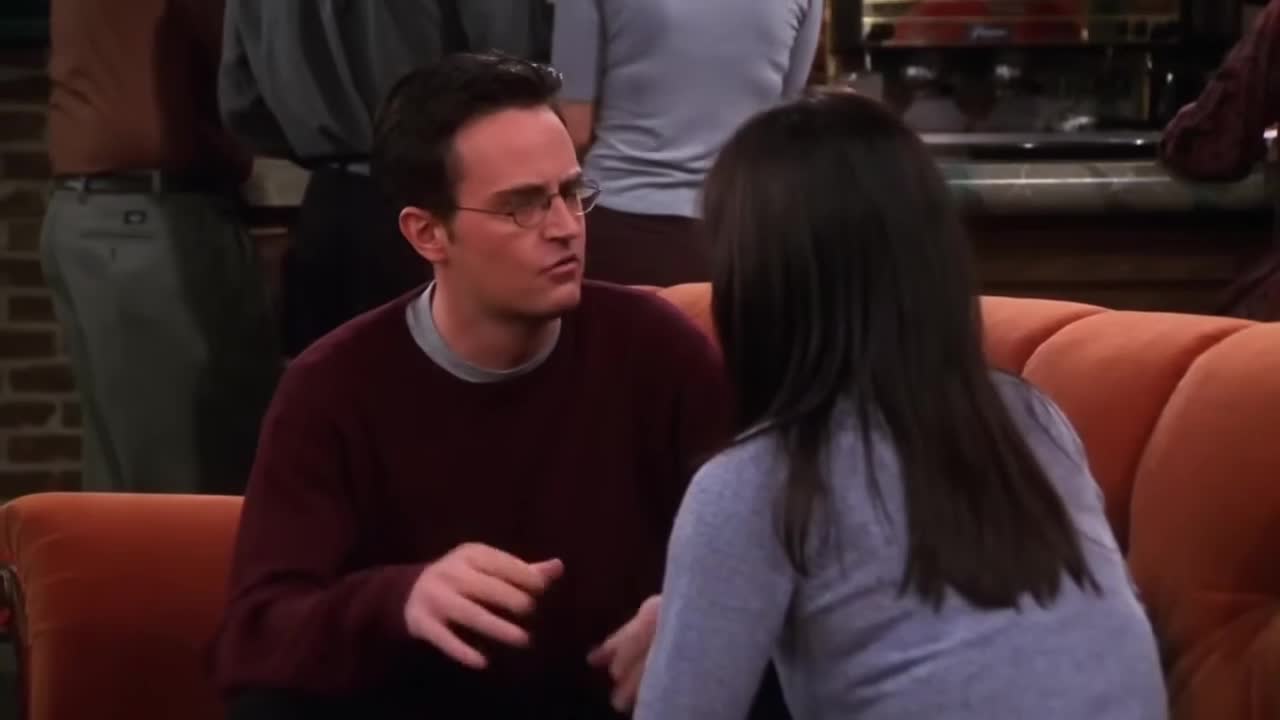
[The Unraveling of Secrets: A Deep Dive into Friendship and Vulnerability]-[Chandler, Monica & Ross Expose Each Other’s Biggest Secrets | Friends]
📋 Summary
The Unraveling of Secrets: A Deep Dive into Friendship and Vulnerability
The Illusion of Total Transparency
In this dialogue, the characters engage in a high-stakes game of truth-telling, operating under the philosophical premise that "we should tell each other everything" and that a healthy relationship requires having "no secrets." This pursuit of radical honesty serves as the primary catalyst for the ensuing chaos. The participants believe that by shedding all secrets, they are strengthening their bonds, particularly under the guise of being "married couples" who "can't keep secrets from one another." However, the narrative quickly demonstrates that the weight of these truths is often more destructive than the secrets themselves.
The Disneyland Incident and the Cost of Information
The conversation begins with a classic trade-off: a scandalous story for a mundane one. The narrator recounts a trip to Disneyland involving "10 tacos" purchased from a source described as "a guy, a hibachi, and the trunk of his car." The resulting "food poisoning" on "Space Mountain" is a comedic turning point, highlighting the physical consequences of poor decision-making. Yet, the exchange of this story for the trivial news that "Nancy Thompson from Phoebe's old massage place is getting fired" exposes the imbalance inherent in their secret-sharing game. The protagonist feels cheated, lamenting, "I gave up my Disneyland story for that?" suggesting that the value of a secret is subjective and often leads to feelings of betrayal when the trade is perceived as unfair.
The Escalation of Embarrassment
As the game intensifies, the secrets shift from situational anecdotes to deeply personal revelations intended to wound or humiliate. The tension peaks when the conversation turns to "Atlantic City," where a past infidelity—or at least a moment of indiscretion—is revealed: "I see them kissing." This revelation shatters the group's perception of Chandler's character, as he is "not the type of guy who just goes to bars and makes out with girls." The subsequent realization that he "kissed a guy" serves as a shock tactic to derail the moral high ground the others are trying to maintain.
Weaponized History: The College Years
The final phase of the dialogue devolves into a rapid-fire series of character assassinations based on past vulnerabilities. The characters pull out their most obscure and shameful memories to level the playing field:
- Ross's Vulnerabilities: It is revealed that in college, Ross "used to wear leg warmers," "came in fourth" in a "Vanilla Ice look-a-like contest" and "cried," and "used to stay home every Saturday night to watch Golden Girls."
- Monica's Quirks: The group exposes that Monica once "ate the macaroni off a jewelry box" because she was "sent to a room without dinner" and that she "couldn't tell time until she was 13."
- Chandler's Past: Beyond the Atlantic City incident, it is noted that "Chandler entered a Vanilla Ice look-a-like contest" and that he once "got drunk and slept with a lady who cleaned our dorm."
Conclusion: The Paradox of Truth
Ultimately, the podcast transcript illustrates that the desire to know "everything" is a double-edged sword. By attempting to strip away every layer of privacy, the characters do not achieve greater intimacy; instead, they effectively weaponize their histories against one another. The frantic pace at which these secrets are traded suggests that once the barrier of privacy is breached, there is no stopping the downward spiral. The dialogue serves as a cautionary tale: sometimes, the preservation of a secret is not an act of deceit, but an act of mercy.
Deep Learning with ListenLeap


