
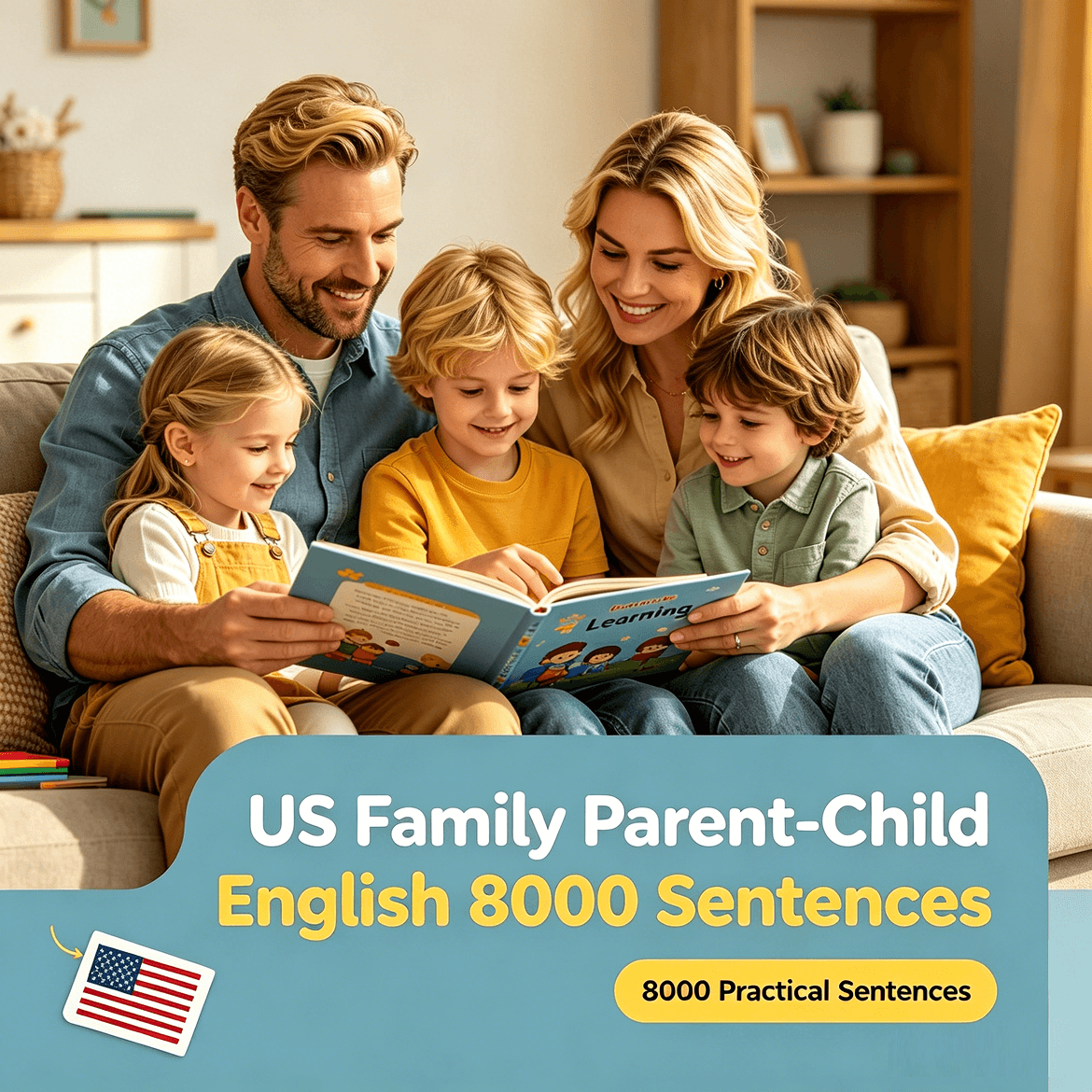
[The Art of Choosing English Storybooks for Children]-[Ch33-01 Choosing an English Fairy Tale Book]
📋 Summary
Navigating the Challenges of Reading English Storybooks with Children
Reading time is a cornerstone of child development, yet as this dialogue illustrates, the process of selecting and engaging with English storybooks is often a negotiation between parent and child. The transcript captures a candid interaction where a mother and child deliberate over their reading choices, shedding light on the complexities of language acquisition, personal preference, and parental patience.
The Negotiation of Choice and Language
A primary point of contention in the transcript is the child's hesitation toward English-language literature. When the child asks, "Can I read this book instead of an English one?" it highlights a common hurdle in bilingual education: the natural preference for the native language. The mother attempts to incentivize the process by proposing a compromise: "I will read one book to you and you read one book to me," and later offering to read "one English book and two books" in total. This exchange demonstrates the necessity of balancing educational goals with the child’s autonomy. By allowing the child to say, "I want to choose it by myself," the parent facilitates a sense of ownership that is crucial for sustained interest in reading.
The Conflict Between Familiarity and Challenge
Another significant theme is the tension between comfort and growth. The child repeatedly expresses a desire to revisit favorite stories, stating, "I never get tired of reading this book," and "It's fun every time I read it." However, the mother notes the limitation of this behavior, remarking, "You have read that book too many times." She encourages the child to "try to read some other books too," as the child’s insistence on a specific book—"That book again?"—can hinder exposure to new vocabulary and concepts.
Conversely, when the mother introduces new material, the child often pushes back due to the perceived difficulty of the content. Phrases like "There are too many words in this book," "This book is too hard," and "This book is too difficult" serve as defensive mechanisms against cognitive fatigue. The mother’s role becomes one of a curator, attempting to find the "sweet spot" of engagement, though she occasionally finds herself overwhelmed, joking, "I'm going to lose my voice" given the volume of books brought to the table.
Aesthetic Appeal and Emotional Connection
The dialogue also underscores the importance of visual and emotional stimuli in reading. The child is clearly motivated by aesthetics, mentioning, "Mom, I like the drawings in this book" and "Wow, the cover looks pretty." Furthermore, the mother validates the child’s taste by saying, "You chose a book that Mommy really likes," which bridges the gap between generations. This emotional connection is a powerful tool; when a child feels that a book is a shared experience rather than a tedious study session, they are more likely to overcome the barrier of "too many words."
Conclusion: Strategies for Encouragement
Ultimately, the transcript reveals that effective reading sessions require a mix of flexibility and persistence. Whether a book is deemed "for babies" or too complex, the ongoing conversation between the parent and child is what fosters literacy. By navigating the child's resistance to English texts and encouraging a variety of genres—while acknowledging the child's aesthetic preferences—parents can transform the struggle of "reading English storybooks" into a collaborative and rewarding ritual.
Deep Learning with ListenLeap


