
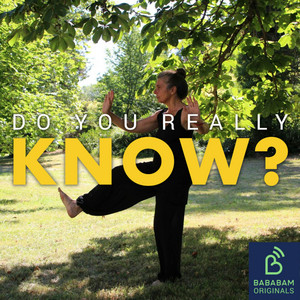
[The Vital Link Between Balance and Longevity: Insights from Recent Research]-[Can standing on one leg save your life?]
📋 Summary
The Surprising Correlation Between Balance and Mortality
Recent scientific inquiry has brought a seemingly simple physical ability into the spotlight: the capacity to balance on one leg. According to a significant 10-year study published in the British Journal of Sports Medicine in September 2022, balance serves as a critical indicator of overall health and longevity. The research, which tracked over 1,700 middle-aged participants, revealed a startling correlation: an inability to stand on one leg for a mere 10 seconds was associated with an 84% heightened risk of death from any cause. This finding suggests that balance is not merely a physical skill, but a vital sign linked to one’s long-term survival.
Deconstructing the Complexity of Balance
While we often take it for granted, balance is a complex physiological phenomenon. It is not an innate ability we are born with, nor is it a simple learned skill. Instead, it is a dynamic integration of multiple bodily systems, including our "nerves, eyesight, the inner ear and even the sensory system that lets you recognise where your body is in space." Because it relies on such a wide range of sensory inputs, any degradation in these systems can lead to a loss of balance, which often begins to decline around the age of 45.
The Escalating Danger of Falls
The implications of declining balance are profound, particularly regarding public health. The World Health Organization identifies falls as the second leading cause of "unintentional injury death," resulting in approximately 684,000 fatal incidents annually. Beyond fatalities, 37 million falls require medical attention, often resulting in "life-changing injuries." A vicious cycle often ensues: as individuals experience a loss of balance, they become "fearful of taking risks like walking on uneven ground." This avoidance behavior leads to physical deconditioning, which further diminishes the sense of balance and increases the likelihood of future falls.
Proactive Prevention: Strategies for Midlife and Beyond
George Locker, author of Falling is Not an Option, emphasizes that because balance is "difficult to reverse later," prevention must begin in midlife. To maintain stability, experts recommend engaging in "bent knee and ankle sports" such as skiing, ice skating, or stand-up paddleboarding. For those seeking less demanding alternatives, "Tai Chi" is highlighted as an exceptionally effective practice for improving stability.
Incorporating Balance Training into Daily Life
Improving your balance does not necessarily require a major lifestyle overhaul or expensive equipment. Practical, daily interventions can be highly effective. A simple, actionable suggestion mentioned in the podcast is to practice standing on one leg while "cleaning your teeth." This routine can be easily customized to suit different fitness levels; individuals can "rest your hands on a surface if you need extra support" or increase the challenge by "standing on tiptoe or by doing knee bends." By consistently integrating these small, intentional movements into one's daily routine, individuals can take concrete steps toward preserving their mobility and potentially extending their lifespan. Ultimately, the evidence is clear: dedicating time to your balance is a worthwhile investment in your future health.
Deep Learning with ListenLeap


