
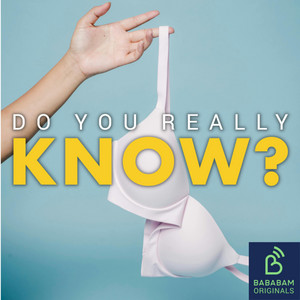
[The Great Underwear-Free Revolution: Unveiling the Truth Behind Going Braless]-[Can going braless be good for you?]
📋 Summary
The Great Underwear-Free Revolution: Unveiling the Truth Behind Going Braless
The Rise of the Braless Trend
The COVID-19 pandemic acted as a surprising catalyst for a significant shift in women's intimate apparel habits. According to research released in 2021 by Censuswide, nearly 46% of women opted to "ditch their bras" at least once a week during lockdowns. This shift was primarily driven by a collective desire for "comfort." Data suggests that prior to this, almost 2 in 5 women spent up to 4 hours a day in "discomfort" due to their underwear.
What began as a lockdown necessity has evolved into a cultural phenomenon dubbed the "great underwear-free revolution" by the Daily Mail. This trend has been further popularized by high-profile A-listers, including Dua Lipa, Kristen Stewart, and Lily Allen, who have been seen going "braless in public," signaling a potential lasting change in societal norms.
The Traditional Case for Bras
Historically, the bra has been viewed as an essential garment. Proponents argue that bras provide necessary "support and comfort," particularly for women leading an "active lifestyle" or engaging in "physical exercise." Beyond utility, bras serve an "aesthetic appeal," offering various methods of "shaping." For instance, the "push-up bra" is specifically designed to make breasts appear "perkier." Perhaps the most deeply ingrained belief regarding bra-wearing is the idea that they are essential to "prevent sagging."
Challenging Misconceptions
Despite the long-standing arguments in favor of bras, experts suggest that many of these perceived benefits may actually be "misconceptions." Laura Tempesta, a sports bra expert who spoke at a 2018 TEDx event, posits that the traditional bra might simply be the byproduct of "social and cultural norms." According to Tempesta, these norms have historically taught women to "feel shame if their breasts are uncovered" or to feel "unattractive if they're drooping."
This perspective reframes the post-lockdown movement not as a mere "fashion trend," but as women actively "brushing aside societal expectations" to prioritize "personal preference" and physical ease over outdated cultural mandates.
The Verdict: Personal Choice vs. Scientific Evidence
When assessing whether women should or should not "ditch their bras," the conclusion is nuanced. There is no "scientific evidence applicable to all women" that definitively labels going braless as inherently good or bad. Breast anatomy is diverse, as they "come in all shapes and sizes," meaning the benefits of wearing a bra are subjective.
Ultimately, the decision is not a "commitment set in stone." The podcast highlights that the choice is situational: a bra might be "handy" during high-impact activities like going to the gym, while it might prove restrictive or uncomfortable during other times, such as trying to "sleep comfortably on a hot summer's night."
In conclusion, the "great underwear-free revolution" represents a shift toward bodily autonomy. Whether one chooses to wear a bra or go braless is a deeply individual decision, devoid of a universal right or wrong answer, reflecting a broader move toward prioritizing individual comfort in a post-pandemic world.

Deep Learning with ListenLeap


