This episode is brought to you by Progressive Insurance.
Do you ever think about switching insurance companies to see if you could save some cash?
Progressive makes it easy to see if you could save when you bundle your home and auto policies.
Try it at Progressive .com.
Progressive casualty insurance company and affiliates.
Potential savings will vary.
Not available in all states.
Weight loss. It needs to be fast and sustainable.
Noom GLP -1 starts at just $149 and ships to your door in seven days.
Take it from Lauren, who lost 22 pounds on Noom.
If I come off of the GLP -1, it's not going to automatically make my weight yo -yo back.
$149 GLP -1s? Now that's Noom Smart.
Get started at Noom .com.
Real Noom user composited to provide their story.
Individual results may vary.
Not all customers will medically qualify for prescription medications.
Compounded medications are not reviewed by the FDA for safety, efficacy, or quality.
ACAS powers the world's best podcasts.
Here's a show that we recommend.
Hi, I'm Cara Berry, host of Everyone's Business But Mine.
Think of me as your new friend and fellow busy body as I talk about everything under the pop culture sun, from the best way to detect a celebrity breakup or pregnancy, to recapping your favorite reality TV shows from the Housewives cinematic universe, Welcome to Plathville, Kardashians, and so much
more. So check out Everyone's Business But Mine, airing multiple times a week everywhere you listen to podcasts.
acast helps creators launch grow and monetize their podcasts everywhere acast .com welcome back to podcast and chill on the learn english podcast It's your favorite host duo, Leo and Gwen.
Hey, Gwen. Have you noticed this word brain rot showing up everywhere lately?
Yes, it's been trending a lot recently.
So, Leo, are you curious about what it actually means?
Of course, I mean brain rot.
It sounds like a horror movie title.
It does. But in reality, it's something many people face every day, especially with the way we live now.
So you're saying my brain could be rotting?
That's pretty disturbing, Gwen.
Well, it's not literal, Leo.
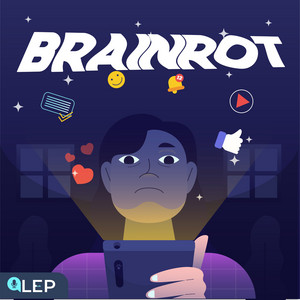
Brain rot refers to the decline in your brain's performance due to bad habits like lack of sleep or social media overload.
Oh, so it's more like when I can't concentrate after binge -watching videos all night.
Exactly. And it's a topic a lot of people, especially from different generations, are really interested in these days.
Hmm. Hmm. So, Gwen, do you think people realize when their brains are getting overloaded like that?
Great question, Leo.
Let me ask you and our listeners, have you ever found yourself endlessly scrolling on social media with no focus?
Oh, I've definitely been there.
And how about this?
Have you ever struggled to remember simple things like where you put your keys after a night of poor sleep?
All the time. Sometimes I feel like my brain just checks out.
Well, that's exactly why we're diving into today's topic, brain rot, what it is, why it happens, and most importantly, how to prevent it.
So stick around and listen to our conversation to explore some fascinating insights about how your brain works.
And don't forget to check the PDF in the description for more tips and vocabulary.
So, Gwen, let's get serious.
What exactly is brain rot?
Well, Leo, it's not as scary as it sounds, though it can have a big impact on your life.
All right, you've got my attention.
What does it do to you?
Brain rot refers to a gradual decline in brain function.
You might notice things like losing focus, forgetting small details, or having trouble organizing your thoughts.
Ugh, that sounds like me every Monday morning.
But seriously, common causes include excessive social media use, too much negative information, or even lack of sleep.
Okay, so if I scroll TikTok all night, I'm basically frying my brain?
Pretty much. In fact, research from the University of California, Irvine shows that frequent digital interruptions can reduce productivity by up to 40%.
Wow, that's a lot. But does social media affect focus in other ways, too?
Definitely. A study by Microsoft found that since the rise of social media and smartphones, the average attention span has dropped from 12 seconds to just 8 seconds.
Eight seconds? That's shorter than a goldfish's attention span.
Exactly. Your brain becomes overwhelmed when it processes too much information at once.
This overload can impair your ability to concentrate and remember details.
No wonder I can't finish a book anymore.
So, let me guess. Limiting screen time is a solution, right?
That's one part of it.
Experts from the National Institutes of Health recommend digital detoxes, where you take regular breaks from screens to reset your focus.
So how do we fix it?
Should I just delete all my apps?
That's a bit extreme.
Try a digital detox day once a week.
No phones, no social media.
Hmm, okay. Maybe I'll survive without memes for one day.
Another cause of brain rot is a lack of mental stimulation.
Ah, so doing the same boring stuff every day makes your brain lazy?
Exactly. When your brain isn't challenged, it starts to lose its sharpness.
Okay, so what can I do to keep my brain active?
Try learning a new skill.
It could be as simple as solving puzzles, reading new books, or even taking up a hobby.
Hmm. Maybe I'll finally learn how to play the guitar.
That's a great idea.
Another thing to watch out for is poor lifestyle choices.
This doesn't sound good.
Things like not getting enough sleep, poor diet, or lack of exercise can really mess with your brain's performance.
Guilty. I stayed up until 2 a .m.
last night eating pizza.
Well, no wonder you're feeling sluggish today.
So, better sleep, better food, and more exercise.
Got it. Exactly. Your brain is like a high -performance machine.
It needs the right fuel to run well.
Okay, digital detoxes sound helpful.
But what about mental stimulation?
You mentioned something about that earlier.
Right. Research from Harvard Medical School shows that activities like learning a new skill, solving puzzles, or reading regularly can strengthen neural connections.
So it's like giving your brain a workout?
Exactly. It's called neuroplasticity.
your brain can adapt and grow, but only if you challenge it regularly.
Hmm. So maybe I should take up a hobby like playing chess or learning a new language.
Great idea. In fact, another study by the University of Edinburgh found that bilingual individuals tend to have better memory and cognitive flexibility as they age.
Wow. That's a good reason to brush up on my Spanish.
Definitely. Now, what about your sleep habits, Leo.
Are you getting a solid seven to eight hours a night?
Um, maybe closer to five or six hours.
Does that really make a difference?
Absolutely. Lack of sleep can impair your brain's ability to form and retain memories.
A study by the American Academy of Sleep Medicine found that sleep deprivation reduces learning efficiency by 40%.
Yikes. Okay, I really need to work on my sleep schedule.
That's a smart move.
Good sleep, regular exercise, and mental stimulation.
These are the foundations for a healthy brain.
Okay, Gwen, now it's time to learn some vocabulary from our chat.
Sure thing, Leo. Let's kick it off with the first phrase, neuroplasticity.
That's a fancy word.
What does it mean exactly?
Neuroplasticity is the brain's ability to adapt and create new connections.
So, it's like when you learn a new language, your brain builds new pathways?
Exactly. All right, here's the next one.
Digital detox. Digital detox?
Hmm, that sounds like taking a break from screens, right?
You've got it. It helps refresh your mind by reducing exposure to information overload.
All right, moving on.
The next phrase is mental stimulation.
That's when you challenge your brain with activities like puzzles or learning new skills.
So it's like a mental workout.
You've got it. Here's a crucial one.
Sleep deprivation. Lack of sleep, right?
And it messes with your memory and energy levels.
Exactly. Finally, we have brain rot, our topic for today.
That's when your brain feels slow and foggy because of unhealthy habits.
Now here's a question for you all listening.
Have you ever experienced brain rot?
What habits do you think caused it?
Great question Leo.
I'd also like to know what's one small habit you've tried that helped refresh your mind?
I think starting the day with movement really helps me.
What about you Gwen?
For me planning ahead on Sundays always reduces stress on Mondays.
All right listeners Share your thoughts in the comments.
We'd love to hear your experiences and advice.
All right, Gwen, we've covered a lot about brain rot, but there's something we haven't touched on yet, how our thoughts play a role in all this.
You're right. People often blame social media or lack of sleep, but they forget that negative thinking is just as harmful.
So if I spend my days thinking, I'll never be a millionaire, am I basically dooming myself to a life without a private yacht?
Well, I wouldn't go that far.
But research from Dr.
Barbara Fredrickson shows that negative thought patterns reduce cognitive flexibility and creativity.
Great. So not only am I broke, but I'm also making my brain worse.
Fantastic. That's why it's important to shift your mindset.
Studies show that practicing gratitude can actually rewire your brain to be more positive.
Ah, so if I start writing, I'm grateful for pizza, every day my brain will be happier?
That's not exactly the point, but yes, gratitude helps.
Neuroscientist Dr. Rick Hansen explains that focusing on positive experiences strengthens neural pathways, making optimism more automatic.
So basically, our thoughts shape our brains.
What about multitasking?
I mean, I can text, watch TV, and eat pizza at the same time.
That's talent, right?
Actually, no. A study from Stanford University found that chronic multitaskers struggle with memory retention and have weaker attention spans.
So, you're telling me my ability to scroll through social media while pretending to work is not a superpower?
That's exactly what I'm saying.
Instead of multitasking, try the Pomodoro technique.
Work for 25 minutes, take a five -minute break.
It's scientifically proven to boost productivity.
So, focused work, then snack break, I like it.
But what if someone already feels like their brain is fried, like they've hit rock bottom?
Then it's time to take back control.
Dr. Andrew Huberman, a neuroscientist at Stanford, suggests structured work rest schedules, meditation, and deep breathing to restore brain function.
Meditation, huh? Does staring at my ceiling at 2 a .m.
count? Because I do that a lot.
Not quite. Meditation means actively calming your mind, not worrying about why you sent that awkward text three years ago.
Okay, so structured work, gratitude, and controlled rest.
What else? Use your free time wisely.
Instead of endless scrolling, try learning something new or being creative.
It keeps your brain sharp.
So watching cooking videos at 3 a .m.
counts as learning, right?
If you actually cook the meal the next day, then yes.
Otherwise, not really.
Got it. So brain rot isn't just about what we consume but how we use our brains.
Small habits, big changes.
Exactly. Your brain is your most valuable asset.
Take care of it. So if you're listening and thinking, maybe my brain needs a reset?
Now's the time to take action.
And remember, small steps lead to big results.
Start with one habit today.
All right, Gwen, we've covered a lot about brain rot and how to fight it.
Let's take a second to break down some key phrases from our conversation.
Good idea. Here's the first one, cognitive flexibility.
It refers to your brain's ability to switch between different thoughts or adapt to new situations.
So basically, if I go from thinking about work to wondering what's for dinner, that's cognitive flexibility, right?
Not quite. It's more about solving problems or adjusting to unexpected changes like handling a last -minute deadline.
Got it. Next up, neural pathways.
These are like highways in your brain that carry information.
The more you repeat a thought or action, the stronger the pathway becomes.
Exactly. That's why positive habits like gratitude or deep focus help build stronger, healthier pathways.
Speaking of focus, our third phrase is mental clutter.
It's when your brain feels overloaded with too much information, making it hard to concentrate.
That's why constantly checking social media can make you feel drained.
too much input, not enough processing time.
So, step one to clearing mental clutter.
Stop scrolling through cat videos at 2 a .m.
Exactly. Moving on, our fourth phrase, executive function.
It refers to the brain's ability to plan, focus, and manage tasks effectively.
Oh, so if I forget to answer emails but remember my pizza order, that means my executive function is selective.
More like imbalanced.
The key to improving it?
Set small, clear goals and take breaks to reset your focus.
Gotcha. Last phrase, neuroplasticity.
This is your brain's ability to change and adapt over time.
The more you challenge it, the stronger it becomes.
Right. That's why learning new skills or changing habits can literally rewire your brain.
Now let's get into some discussion questions.
Here's the first one.
Have you ever experienced mental clutter?
How did you deal with it?
I'd say taking short breaks helps.
What do you think, Gwen?
I agree. I also find that journaling helps me organize my thoughts.
Writing things down makes them feel more manageable.
Great tip. Here's another question for you guys.
If you could improve one habit to boost your brain health, what would it be?
Personally, I'd work on reducing my screen time before bed.
What about you, Leo?
I'd probably start reading more.
Maybe swap out my late night memes for an actual book.
That's a solid choice.
And for all of you listening, what about you?
Let us know in the comments.
All right, that's a wrap for today's episode.
We've covered a lot about brain rot, what causes it, how it affects us, and most importantly, how to fight back.
And hopefully, after this episode, your brain feels a little sharper, not mushier.
Yeah, and if you still feel like your brain is melting, well, maybe it's time to take a break from social media.
Just saying. If you want to review everything we talked about today, don't forget to check out the free PDF summary in the description or pinned comment below.
And if you found this episode helpful, don't forget to give it a thumbs up and subscribe, so you won't miss our next one.
Speaking of which, our next episode is going to be a fun one, so stay tuned.
Can we at least get a hint, Gwen?
Nope, no spoilers. But trust me, you won't want to miss it.
Alright, guess we'll all just have to wait.
But until then, take care of your brain, stay sharp, and we'll see you next time.
Bye, everyone. See you soon.
hey it's mark marin from wtf here to let you know that this podcast is brought to you by progressive insurance and i'm sure the reason you're listening to this podcast right now is because you chose it well choose progressives name your price tool and you could find insurance options that fit your budget
so you can pick the best one for your situation who doesn't like choice try it at progressive .com and now some legal info progressive casualty insurance company and affiliates price and coverage match limited by state law not available in all states we're in baton rouge at the original raising canes
with the man that started it all wait are you the yes chef guy todd started this place 28 years ago with one goal in mind making the best chicken fingers in the world.
We got their famous box combo.
Chicken fingers, crinkle cut fries, Texas toast slaw, and their world famous cane sauce.
Good cheddar tier right now.
Raisin canes, chicken fingers, one love.
ACAST powers the world's best podcasts.
Here's a show that we recommend.
Hi, I'm Cara Berry, host of Everyone's Business But Mine.
Think of me as your new friend and fellow busybody as I talk about everything under the pop culture sun, from the best way to detect a celebrity breakup or pregnancy, to recapping your favorite reality TV shows from the Housewives cinematic universe, Welcome to Plathville, Kardashians, and so much more.
So check out Everyone's Business But Mine, airing multiple times a week everywhere you listen to podcasts.
a cast helps creators launch grow and monetize their podcast everywhere a cast .com