
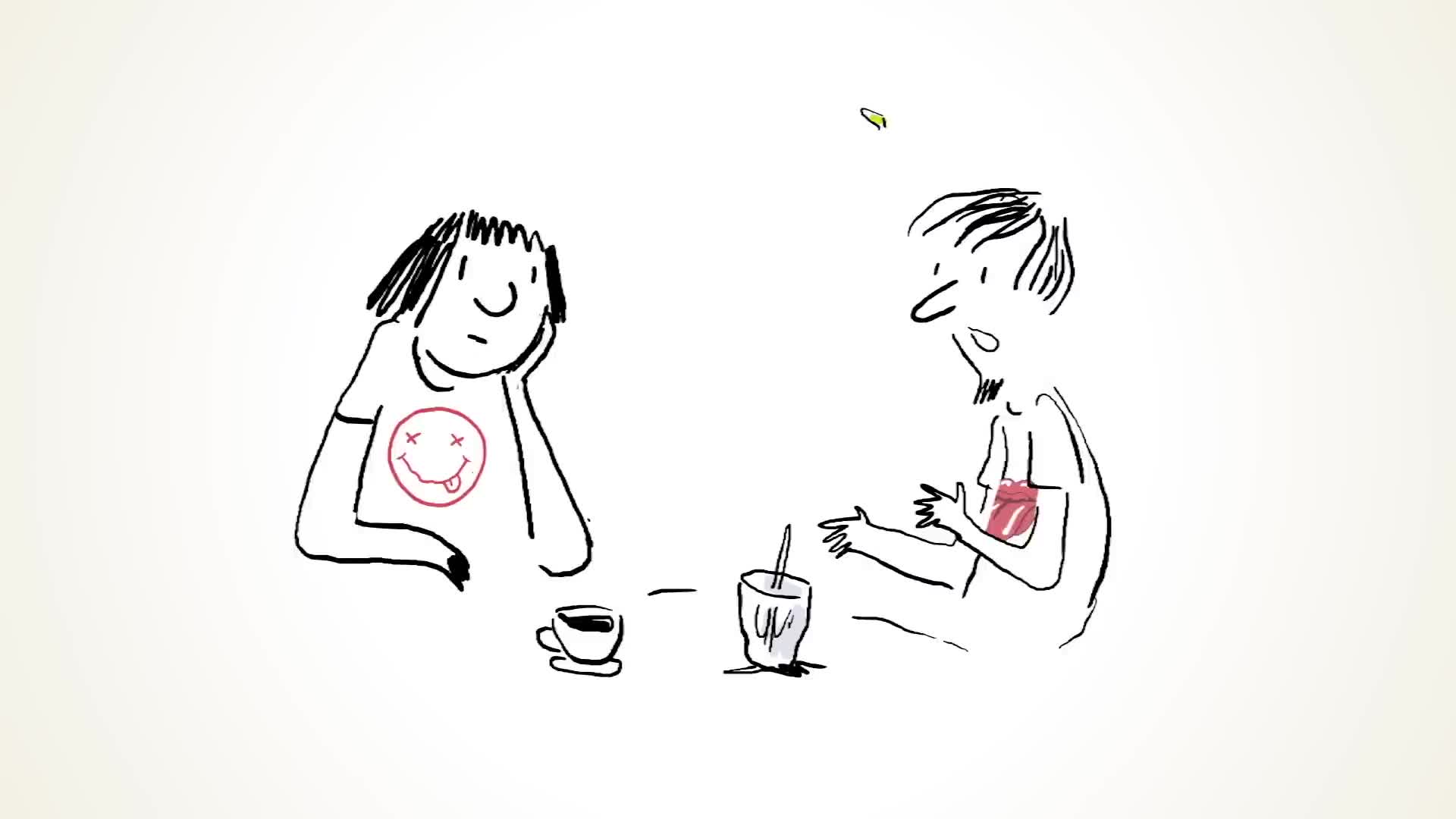
[The Science of the 'Tip-of-the-Tongue' Phenomenon: Why We Forget and How to Remember]-[This is what happens in your brain when you can’t recall a word - Cella Wright]
📋 Summary
Unlocking the Tip-of-the-Tongue State
We have all experienced the frustrating sensation of a word hovering just out of reach—a phenomenon researchers call the "tip-of-the-tongue state." Despite the feeling that the word is "just around the corner," it refuses to materialize. This article explores the cognitive mechanics behind this mental glitch and strategies for resolution.
The Mechanics of Retrieval Failure
Under normal conditions, the brain seamlessly pairs meaning with sound to construct sentences. However, during a tip-of-the-tongue moment, this "retrieval process derails." Neuroimaging suggests that beyond typical word-retrieval brain activity, the "conflict-detecting anterior cingulate" becomes active, which is responsible for that signature feeling of "urgently frustrating" tension. Psycholinguistic theorists propose that we organize language from meaning to sound, and the "last layer of information"—the phonological sound of the word—is often the most vulnerable to these glitches.
Triggers and Vulnerabilities
Why does this happen? The likelihood of entering this state depends on several factors:
- Word Complexity: We are more likely to stumble on "proper nouns," rarely used vocabulary, or abstract, non-visual concepts like "idiosyncrasy" or "revelation."
- Cognitive Interference: Sometimes, the brain retrieves "unintended words" that act as "red-herring-like blockers." For instance, when trying to recall Judy Garland, the brain might fixate on "Dorothy" instead.
- Environmental Stress: Research indicates that "stressful test conditions" exacerbate the frequency of these lapses.
- Linguistic and Age Factors: Multilingual speakers may experience more frequent blocks because they possess multiple words for the same concept, which can act as "interfering blockers." Additionally, these states "rise with age," potentially due to the "greater accumulation of knowledge" the brain must navigate or a decline in speech-related cognitive areas.
The Positive Function of Forgetting
While the tip-of-the-tongue state feels like a failure, it serves a functional purpose. The brain does not simply lose the information; the word is merely "tougher to access." This state of "impending success" acts as a motivational tool, prompting the individual to dedicate more "time and effort" to the search, which actually increases the likelihood of long-term memory retention.
Strategies for Resolution: The Power of Cueing
To get a word "unstuck," experts recommend "cueing." Rather than fighting the frustration, one should lean into the associations the brain provides. By utilizing "associated memories" or cycling through the alphabet to see if specific letters trigger the target word, we assist the brain in its attempt to "jog its own extensive memory."
Ultimately, the tip-of-the-tongue phenomenon is not a sign of a failing mind, but rather a complex, active search process. By understanding these triggers and employing active cueing, we can more effectively navigate the vast stores of knowledge within our minds.
Deep Learning with ListenLeap


