
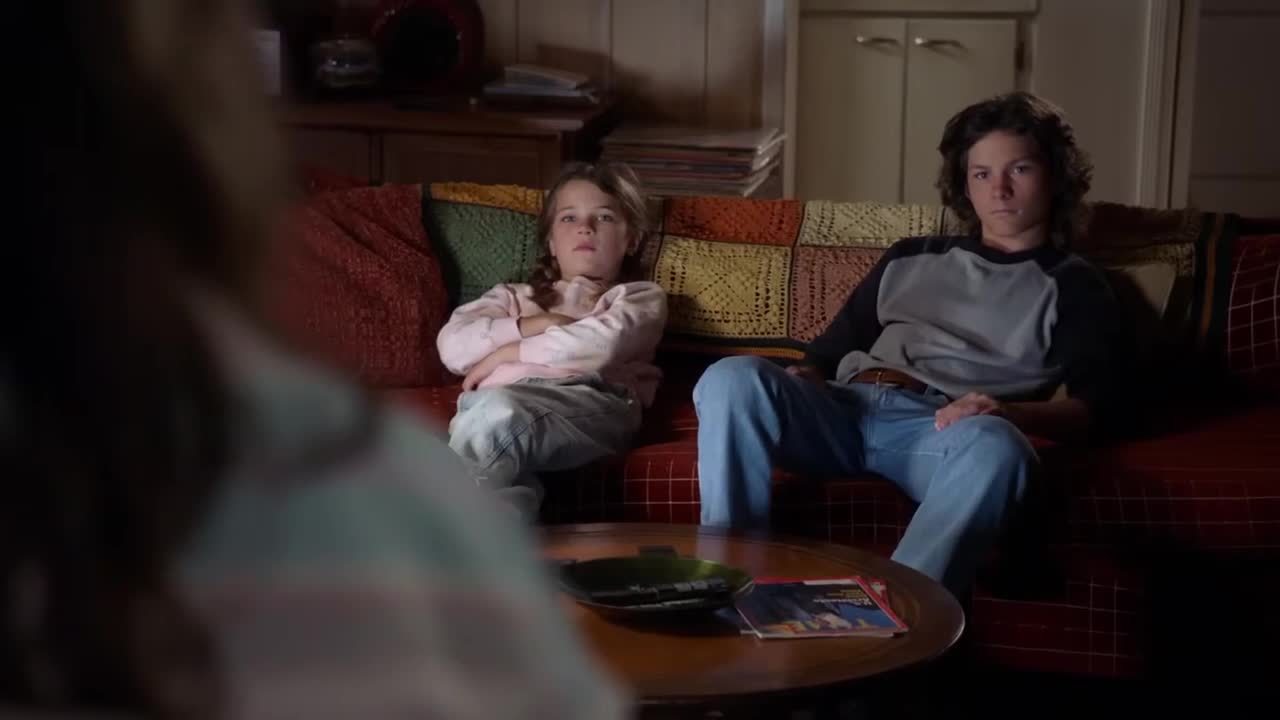
[The Illusion of Perfection: Navigating the Challenges of Parenting Gifted Children]-[Bonding Over Peculiar Brainiac Children | Young Sheldon]
📋 Summary
The Illusion of Perfection: Navigating the Challenges of Parenting Gifted Children
Introduction: The Search for Connection
Parenting children who possess unique intellectual gifts—like Sheldon or Paige—often comes with a profound sense of isolation. The podcast transcript captures a pivotal moment where two sets of parents attempt to bridge this gap, seeking solace in the realization that they are not alone. As one parent notes, "We finally have someone to compare notes with," highlighting the universal human need to share the burdens and confusion of raising a "special child."
The Facade of Competence
Initially, both sets of parents struggle with the pressure to project an image of seamless parenting. There is a palpable tension as they compare their children's idiosyncratic behaviors. When discussing Sheldon’s obsession with order, his parents describe how he insists that "all the labels are facing the right way" at the grocery store, even recounting a time he refused to use a shower because "two of the tiles were crooked."
However, this sharing of anecdotes is initially filtered through a competitive lens. One parent admits, "This is not making me feel better. Their kid is perfect. And so is ours. So we're lying to each other." This admission exposes the "perfect" facade often maintained by parents of high-achieving children, where the fear of inadequacy drives them to hide the reality of their daily struggles.
The Reality of Sacrifice and Neglect
As the conversation deepens, the veneer of perfection cracks. The discussion shifts from charming quirks to the tangible sacrifices required to support a gifted child. Linda mentions she had to quit her job at the dental practice because "Paige's schedule started to get busy," illustrating the total commitment required.
Perhaps the most poignant moment occurs when Barry confesses to feeling "left out," noting that he spent "Father's Day alone because she took Paige to a robotics show." This reveals a darker side of parenting gifted children: the systemic neglect of other family dynamics. The admission that a "unique child can require a lot of attention"—followed by the dry correction, "Try all the attention"—serves as a stark reminder that the pursuit of a child's potential often comes at the cost of marital harmony and the needs of siblings.
Finding Solidarity in Shared Imperfection
By the end of the exchange, the parents reach a point of genuine connection. The realization that "they're as messed up as we are" acts as a relief valve. The podcast concludes with a tacit agreement to stop performing and start being honest. The transition from "winging it" to actually comparing notes allows these parents to acknowledge that their children’s brilliance does not negate the difficulty of their upbringing.
Conclusion
Ultimately, the transcript serves as a reminder that parenting gifted children is not about managing a "perfect" child, but about navigating the complexities of their needs without losing one's own identity or family balance. By shedding the need to present a flawless front, these parents find the authentic support they were searching for all along. They learn that being "special" is a shared experience—one defined not by the child's achievements, but by the parents' collective, messy, and honest efforts to do right by them.
Deep Learning with ListenLeap


