
[The Weight of Parenthood: Navigating Guilt, Transition, and the Strains of Family Life]-[Bonding Over Cigarettes and Bad Wine Coolers | Young Sheldon]
📋 Summary
The Burden of Maternal Guilt
The conversation opens with a raw admission of emotional turmoil, as the speaker grapples with fractured relationships, noting that "George is mad at me, and Sheldon is mad at me, and honestly, I'm mad at me too." This sentiment of self-reproach highlights the heavy psychological toll of domestic management. The dialogue suggests a state of burnout, where the speaker is pushed to the brink by the relentless demands of her household. As her companion observes, "All that you do for that family, I'm surprised you didn't crack years ago," it becomes clear that the internal pressure to maintain familial harmony has reached an unsustainable threshold.
The Fragility of Coping Mechanisms
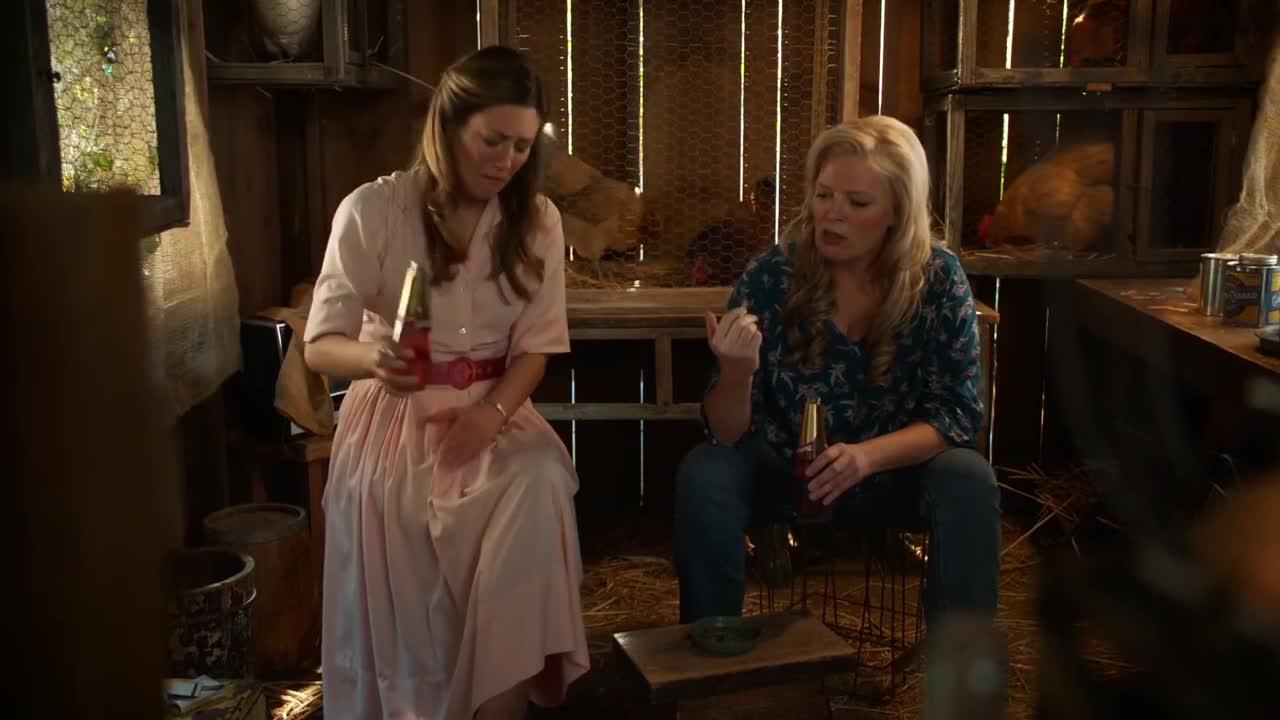
When asked how she manages the overwhelming nature of her responsibilities, the speaker provides a bleak, albeit candid, assessment of her current state: "I'm sitting in a chicken coop drinking a wine cooler at 11 a.m. Clearly, I don't." This imagery serves as a powerful metaphor for the breakdown of traditional coping strategies. The mention of "chili" and the complexities of navigating "college stuff" represent the mundane yet crushing logistical burdens that exacerbate her distress. Her admission that she "never went to college" further complicates her role as a guide, creating an "imposter syndrome" regarding her ability to mentor her child through academic transitions.
Navigating the Paradox of Growth and Departure
The dialogue shifts to the inevitable anxiety surrounding a child's maturation. The speaker expresses a profound vulnerability regarding her son’s academic success, stating, "It still hurts to hear him say he wants to leave." This reflects the classic parental paradox: the desire for a child to succeed versus the grief of their eventual independence. Her companion offers a pragmatic, if slightly detached, perspective, arguing that if the child is "smart enough to have colleges wanting him already, he's got to be smart enough to figure it out." This highlights the tension between a parent’s protective instinct and the reality of a child’s burgeoning autonomy.
Contrasting Parental Anxieties
The conversation concludes by juxtaposing the fear of a child growing up too fast with the fear of a child failing to launch. While one parent worries about early departure, the other expresses concern that "my Billy will never be ready to leave." This duality underscores the universal struggle of parenting, where no outcome feels entirely secure. The final exchange, marked by the observation of "smoking, drinking, lying" and the declaration that "you're covering all the sins today," serves as a dark, comedic punctuation to the discussion. It acknowledges that in the face of insurmountable domestic stress, the moral and behavioral standards we set for ourselves often crumble, leaving us to navigate the "terrible" reality of life as best we can.
Deep Learning with ListenLeap


