
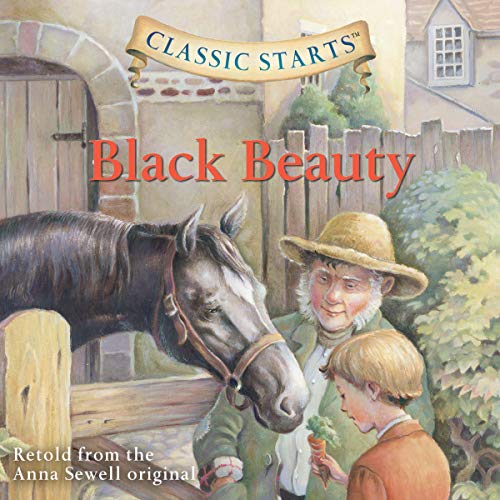
[The Burden of the Bearing Rein: A Plea for Compassion]-[Black Beauty - Part 20]
📋 Summary
The Struggle of the Working Horse: A Narrative of Exploitation and Empathy
The Burden of Overwork and the Cruelty of the Bearing Rein
In this poignant account, the narrator—a horse—recounts his grueling experience working for a corn dealer and baker. Despite being promised a situation where he would be "well fed and not overworked," the reality proved far harsher. The horse describes the foreman’s relentless demand for productivity, noting that even when he already had a "full load," the foreman would insist on adding more.
Central to his physical agony was the use of the "bearing rein." The stableman, Jakes, admitted that the load was too heavy and that the horse was being forced to carry more than he should, yet he persisted in maintaining the restrictive equipment. The horse reflects on the physical toll, stating, "After three or four months, I could tell it was doing its worst to me." The bearing rein, which held his head unnaturally high, prevented the horse from utilizing his full strength, leading to a cycle of exhaustion and punishment.
The Breaking Point: Punishment Despite Effort
One day, tasked with pulling an excessive load up a "steep hill," the horse found himself unable to proceed. Despite using "all [his] strength," he was forced to stop. This triggered a cruel response from his driver, who resorted to the whip, calling him a "lazy fellow." The horse poignantly observes the injustice of his situation: "What hurt the worst, though, was doing my very best and still being punished for it."
The Intervention of Compassion
The turning point occurs when a "lady passerby" intervenes. Observing the horse’s struggle, she pleads with the driver to stop the whipping, noting, "I'm sure he is doing all he can." She astutely identifies the source of the horse's inability to pull the load: "he can't use all his power with his head held back in that bearing rain."
Her intervention is transformative. Once the bearing rein was removed, the horse was able to "put [his] head to my knees" and find relief. By allowing the horse to "throw all [his] weight against the collar," he successfully ascended the hill. The lady’s philosophy serves as a moral anchor for the story: "we have no right to harm any of God's creatures... They can't talk to us, but it doesn't mean they don't feel pain."
The Aftermath and the Toll of Neglect
While Jakes was moved by the lady’s kindness and promised to loosen the reins for future hills, the horse’s life remained one of hardship. Eventually, his physical exhaustion led to his replacement by a younger horse. His subsequent treatment was characterized by isolation in a "cramped stable" with only "one small window." This confinement resulted in profound loneliness and significantly "weakened [his] eyesight." The narrative concludes with the horse narrowly escaping permanent blindness, underscoring the fragile existence of animals subjected to the whims and negligence of human masters.
Conclusion: A Call for Humane Treatment
This story serves as a powerful testament to the necessity of empathy in our treatment of animals. Through the lens of the horse's suffering, the narrative challenges the "style" of using restrictive gear like the bearing rein, suggesting instead that kindness—and the removal of unnecessary burdens—is far more effective than the whip. The lady’s interaction with the horse proves that when given the proper conditions and a modicum of respect, even the most burdened creature can perform with grace and strength.

Deep Learning with ListenLeap


