
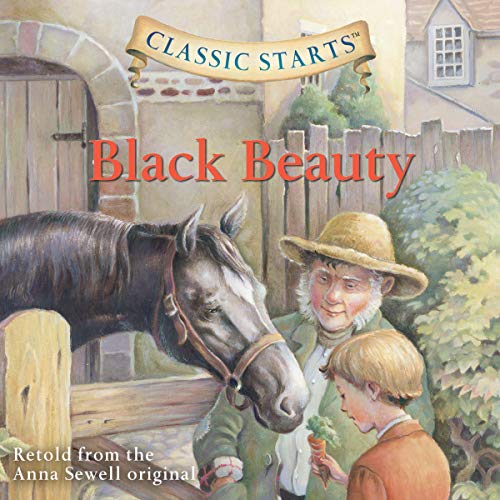
[A New Beginning: Life After the Horse Fair]-[Black Beauty - Part 14]
📋 Summary
The Spectacle and Shadows of the Horse Fair
The narrative opens at a bustling horse fair, a place described as an "exciting event" filled with a diverse array of equine life. The narrator, a horse of noble blood, observes the vast spectrum of his peers: from "shaggy little Welsh ponies" to "hundreds of cart horses" with their tails braided. However, the fair is a place of stark contrasts. While some horses are displayed with pride, others suffer from the physical toll of "too much work," evidenced by "sores on their backs and hips" and bodies so emaciated that one could see their ribs. This duality highlights the precarious and often tragic existence of horses in the marketplace.
The Deception of the Marketplace
The narrator reflects on the atmosphere of the fair, noting that there were "more lies told and more trickery" than truths. As a handsome horse, he faces rejection due to his "broken knees," a flaw that leads potential buyers to turn their heads away. The sales process is characterized by intense scrutiny; buyers "pulled my mouth open, looked in my eyes, and felt all the way down my legs." The narrator serves as a keen judge of character, noting that while some buyers treated him like a piece of wood, others handled him with a gentle touch. He remains hopeful, specifically longing for a man who possessed a "cheery look in his eyes" and spoke with a gentle demeanor.
A Kindred Connection and the Journey to London
The turning point arrives when the man with the "kind eyes" returns to negotiate for the narrator. After a brief dispute over the price, the man strokes the narrator's face and promises that they will "get along just fine." This act of kindness marks the beginning of a new chapter. Upon being purchased, the narrator is fed a "good feed of oats" and transported to the vast, gas-lit streets of London. The transition from the chaotic fair to the quiet, organized life of a city carriage horse begins under the care of a master who treats him with genuine compassion.
Finding a Home: The Barker Family
Upon arriving at a "cab stand" and eventually a modest home, the narrator is introduced to his new master’s family: Jeremiah Barker, known as "Jerry," his wife Polly, and their children, Harry and Dolly. The domestic scene is one of warmth and affection, a stark departure from the harsh conditions of the fair. The children approach the narrator without fear; young Dolly pats his shoulder, and the mother provides him with a comforting "bran mash."
Conclusion: The Hope for Happiness
Jerry is depicted as a man of integrity, and his family mirrors his kindness. The narrator’s description of his new surroundings—a "clean-smelling stall with plenty of dry straw"—signals a restoration of dignity and comfort. After receiving a "wonderful supper," the narrator is left with a profound sense of optimism. The story concludes with the narrator settling into his new life, firmly believing that he has finally found a place where he will be happy, marking a definitive end to the uncertainty and exploitation of the horse fair.

Deep Learning with ListenLeap


