
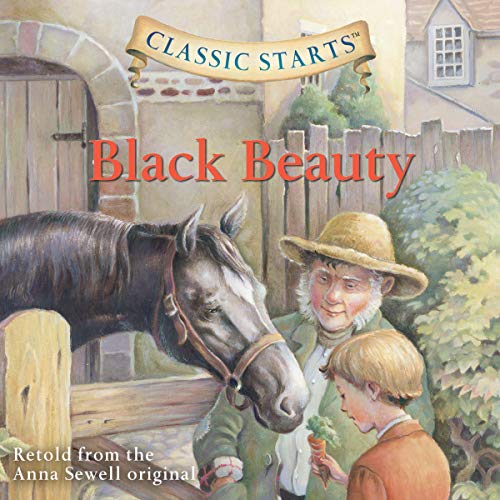
[The Deception of Care: A Horse's Journey Through Neglect and Dishonesty]-[Black Beauty - Part 13]
📋 Summary
The Deception of Care: A Horse's Journey Through Neglect and Dishonesty
In the narrative of "A Thief," the protagonist, a horse, recounts his distressing experiences under the care of two consecutive, unreliable groomers. The story serves as a poignant observation of how the lack of integrity in caretakers can profoundly impact the well-being and physical health of a horse, even when the owner holds good intentions.
The Betrayal of Filcher: A Thief in the Stable
The horse’s new master, though well-meaning, lacks experience with horses and relies on a groomer named Filcher. Initially, the arrangement seems ideal, as the master orders high-quality feed, including "the best hay with plenty of oats, crushed beans, bran, and rye grass." However, the horse soon realizes that Filcher is a "mean scoundrel" who is systematically stealing the quality feed for his own family's livestock—specifically his "chickens and rabbits."
As the oats and bran are replaced by meager portions of grass, the horse’s physical condition deteriorates. He notes that he "couldn't keep up my shiny coat without corn," and his "strength and mood were suffering." The deception is finally unveiled when a farmer, who has a "good eye for horses," notices the horse’s decline and suspects that the groomer is not "doing his job." The discovery of the theft occurs when a policeman catches Filcher’s son stealing from the "corn bin," leading to Filcher’s eventual imprisonment. This chapter highlights the vulnerability of animals when placed in the hands of dishonest individuals who view them as a means to personal gain.
The Laziness of Alfred Smirk: Neglect Under the Guise of Kindness
Following Filcher’s departure, the master hires Alfred Smirk. While Smirk presents himself as a "kind man" by performing superficial tasks like brushing the horse’s mane and oiling his hooves, the horse describes him as the "laziest fellow I ever had the chance to meet." Smirk’s primary focus is on his own appearance, "combing his hair in whiskers and fussing with his necktie," while neglecting the fundamental needs of his charge.
Smirk’s laziness leads to severe sanitary issues. He fails to clean the stall properly, leaving behind "wet straw" and a "strong smell" that burns the horse's eyes. When questioned by the master, Smirk deflects blame onto the drain, even when a bricklayer confirms that nothing is wrong with it. This lack of hygiene results in the horse developing "thrush," a painful condition caused by standing in filth. Furthermore, the horse suffers from a lack of exercise; despite Smirk claiming to have "noticed the same thing" regarding the horse's poor movement, he rarely allows the horse to stretch its legs, causing the animal to become "fat," "restless," and "feverish."
The Consequence of Mismanagement
The climax of the horse's ordeal occurs when the master takes him to a veterinarian. The vet immediately identifies the root cause of the horse's ailments: "This is the kind of thing we find in dirty stables, where the stall hasn't been swept." The vet’s intervention—prescribing rigorous cleaning and treatment—restores the horse’s "lively spirits." However, the damage to the master's trust is irreparable. Disgusted by the repeated failures of his employees, the master decides that he can no longer manage the horse, leading to the horse being sold once again.
This narrative underscores a critical theme: the difference between the appearance of care and actual stewardship. Both Filcher and Smirk effectively exploited their positions, one through active theft and the other through passive, lazy neglect. Ultimately, the horse pays the price for their moral failings, demonstrating that without honest and diligent supervision, even the most well-intentioned owners can inadvertently cause their animals to suffer.

Deep Learning with ListenLeap


