
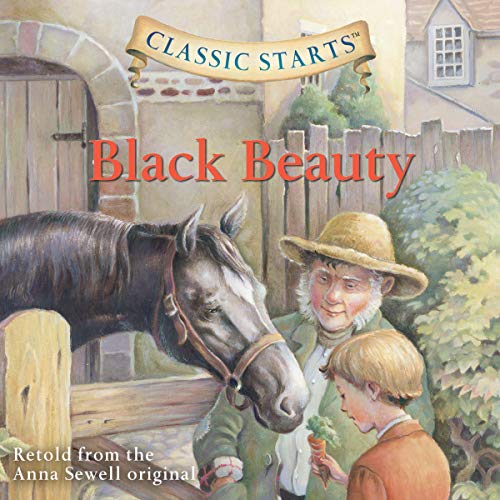
[A Reflection on 'Black Beauty': Endurance, Empathy, and the Human-Animal Bond]-[Black Beauty - Part 01]
📋 Summary
Introduction to a Timeless Narrative
'Black Beauty,' originally penned by Anna Sewell and retold here by Lisa Church, stands as a cornerstone of literature concerning animal welfare. Through the narration of Rebecca K. Reynolds, the story invites listeners to step into the world of an equine protagonist, offering a profound exploration of empathy and the consequences of human conduct. This summary examines the core themes of the narrative, emphasizing the inherent dignity of the animal experience.
The Perspective of the Equine Protagonist
The narrative framework of 'Black Beauty' is unique because it is told from the first-person perspective of the horse. By utilizing the "original by Anna Sewell" voice, the text masterfully bridges the gap between human observers and the sentient reality of the animal. Beauty is not merely a beast of burden; he is a character with a capacity for memory, emotional pain, and social understanding. This stylistic choice is critical, as it forces the reader to confront the "original" intentions of the author: to foster a sense of compassion that transcends species barriers.
Themes of Endurance and Moral Responsibility
Throughout the retelling, the concept of endurance remains central. Beauty’s life is defined by a series of transitions between different masters, each representing a different facet of human character. Some owners demonstrate "empathy" and kindness, providing Beauty with a stable environment, while others exhibit negligence or cruelty. The text highlights that the quality of a horse's life is directly proportional to the moral maturity of its owner. The "Classic Starts" adaptation effectively distills these encounters, reminding the audience that animals are often at the mercy of human temperament.
The Advocacy for Animal Welfare
Anna Sewell’s classic work was instrumental in changing the public perception of horse treatment in the 19th century, and Lisa Church’s retelling maintains this advocacy. The "Classic Starts" series aims to make these heavy moral lessons accessible, yet the gravity of the message remains intact. By focusing on the daily labor and the physical toll taken on the horse, the narrative acts as a critique of systemic abuse. The phrase "retold from the Anna Sewell original" serves as a reminder that the urgency of the message—that animals deserve to be treated with kindness and respect—is as relevant today as it was when the book was first published.
Conclusion: The Lasting Impact
The reading by Rebecca K. Reynolds adds a layer of intimacy to the text, grounding the philosophical arguments about animal rights in a gentle, narrative flow. 'Black Beauty' is more than just a story about a horse; it is a mirror held up to humanity. As summarized through this audio production, the legacy of Beauty’s journey is a call to action for listeners to cultivate sensitivity toward all living beings. The narrative concludes that true nobility is found not just in the horse, but in the human capacity to recognize and alleviate the suffering of others.
Deep Learning with ListenLeap


