
[Beyond the Neander-Slander: Unveiling the Complex Lives of Our Evolutionary Cousins]-[The biggest myths about Neanderthals - Bruce Hardy]
📋 Summary
The Re-evaluation of Homo neanderthalensis: From 'Dim-witted Oafs' to Complex Kin
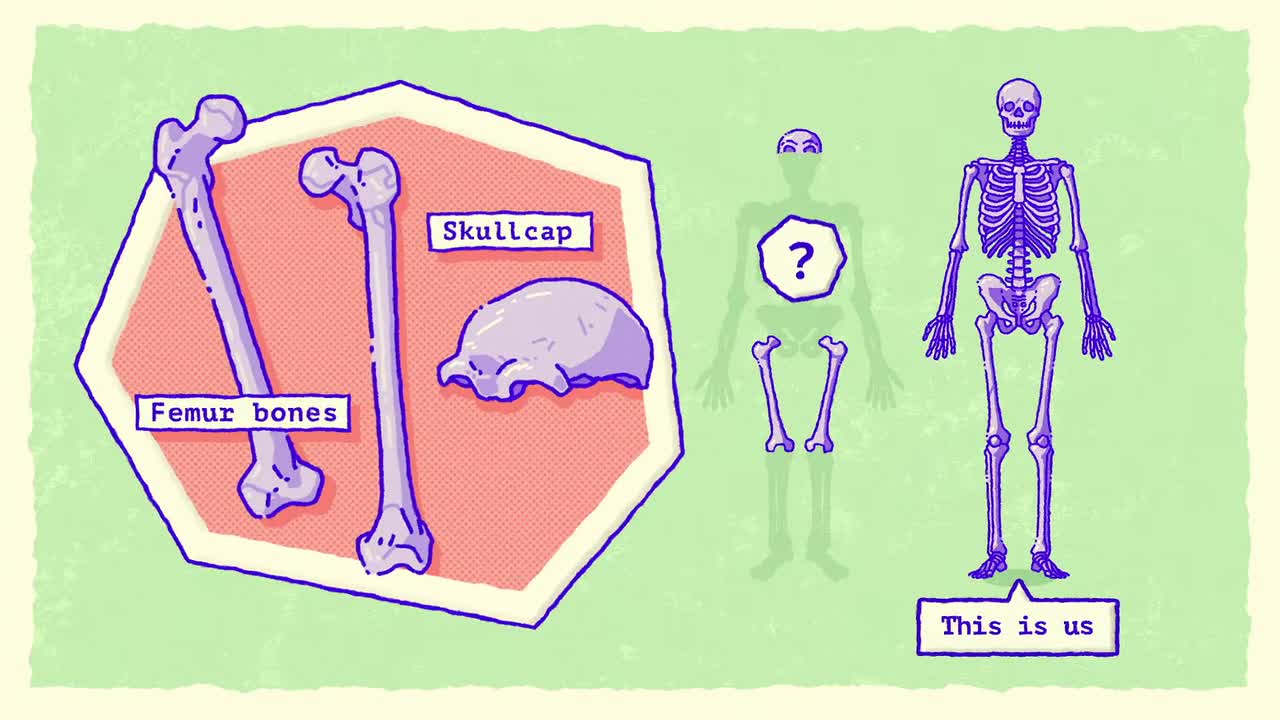
Since the 1856 discovery of mysterious fossils in Germany's Neander Valley, our understanding of Homo neanderthalensis has undergone a dramatic transformation. Initially dismissed as "dim-witted oafs" and depicted as "hairy and club-carrying" brutes, these ancient humans were long subjected to "Neander-slander." However, modern archaeology and genomic research have dismantled these biases, revealing a species far more sophisticated than early naturalists ever imagined.
Challenging the Myths of Inferiority
Early misconceptions suggested that Neanderthals were biologically inferior to Homo sapiens. While skeletal findings confirm that they were "shorter and more muscular" with "larger, deeper-set eyes" and higher caloric needs, these physical traits were adaptations to their environments across Europe and Western Asia for over 350,000 years. The narrative that they died out solely due to inferiority is being replaced by a more nuanced view of their survival strategies.
Evidence of Compassion and Social Structure
One of the most compelling arguments against the "brute" stereotype is the evidence of social care. Excavations in Iraq and France revealed the remains of individuals who survived severe injuries and disabilities, including lost limbs and blindness. The fact that these individuals lived long after their trauma implies that their "community provided him extensive daily support." Furthermore, the presence of burial sites suggests that Neanderthals possessed a level of empathy and social cohesion that extended "beyond immediate practical concerns for survival."
Intellectual Sophistication: Tools and Medicine
Neanderthals were not limited to "unsophisticated brute-force ambush attacks." Archaeological evidence indicates they were highly skilled hunters capable of capturing small game using "snares and fast-moving projectiles." Their technological prowess is further evidenced by the use of complex tools, such as "hardwood digging sticks" shaped with fire, and the production of adhesives made from "heated birch bark" and reinforced "three-ply string."
Beyond technology, they practiced a form of rudimentary medicine, with teeth analysis indicating the use of "anti-inflammatory and antibiotic plants," showcasing a deep understanding of their natural surroundings.
Symbolic Thinking and Artistic Expression
Perhaps the most significant shift in scientific consensus concerns the cognitive abilities of Neanderthals. Far from being devoid of culture, there is evidence of "personal adornment," including the use of bird feathers, perforated shells, and eagle talons. The discovery of markings on a "giant elk's toe bone," cave paintings in Spain, and the mysterious arrangement of "broken, rearranged and burned stalagmites" in French caves suggests that Neanderthals engaged in symbolic behavior, potentially holding "spiritual or ceremonial significance."
A Braided Evolutionary Stream
The 2010 sequencing of the Neanderthal genome confirmed that our species interbred, with modern humans retaining up to 4% of Neanderthal DNA. This revelation has shifted the scientific perspective from viewing human evolution as a simple, tree-like progression to a "braided stream," where different hominin groups periodically separated and rejoined.
Rather than being wiped out by "rampant cannibalism" or aggressive conflict, some researchers suggest that Neanderthals, living in smaller groups, were "gradually absorbed" into the larger, expanding populations of Homo sapiens. As we continue to uncover the history of our evolutionary cousins, it becomes increasingly clear that the boundaries between "them" and "us" are far more porous than history once led us to believe.
Deep Learning with ListenLeap


