
[The Science of Sleep Postures: How Your Sleeping Position Affects Your Health]-[What’s the best position to sleep in? - Rachel Marie E. Salas]
📋 Summary
The Science of Sleep Postures: Understanding Your Body at Rest
For decades, human curiosity has sought to link sleep habits to personality traits. In the 1970s, psychoanalyst Samuel Dunkel famously proposed that sleeping positions—ranging from the "royal position" to the "semi-fetal"—were direct reflections of one’s psyche. While these claims remain largely unsubstantiated, modern science has pivoted toward a more empirical focus: how our chosen sleep postures impact our physical health and physiological well-being.
The Evolution of Sleep Positions
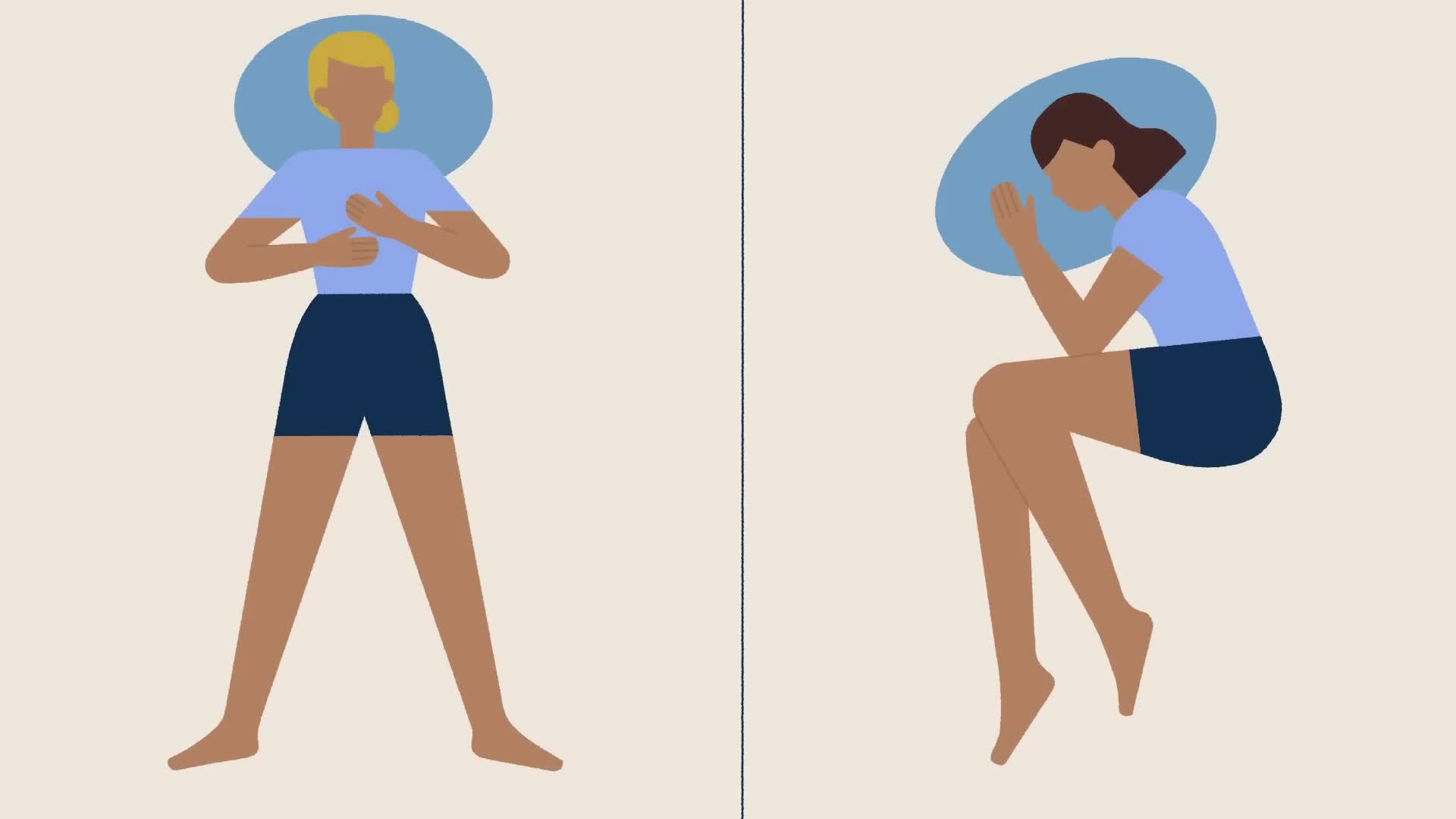
Sleep experts categorize the myriad of ways we rest into four fundamental positions: left side, right side, stomach, and back. Our preference for these positions evolves significantly over a lifetime. For infants, back sleeping is strictly recommended to mitigate the risk of choking and suffocation. As we mature, our sleep patterns shift; by adulthood, side sleeping becomes the most common preference, while stomach sleeping, often referred to as being "prone," remains the least popular.
The Impact of Posture on Internal Systems
Our sleep position is far from a neutral choice; it dictates the orientation of our internal organs and the support provided to our skeletal structure. Poor positioning can leave the spine unsupported, straining nearby tissues and preventing the muscles in the "back, hips or neck" from fully relaxing, often resulting in morning stiffness.
The Pros and Cons of Prone Sleeping
Sleeping prone is generally discouraged by experts because it tends to "stretch the natural curvature of your spine." Despite this, it serves a functional purpose for specific medical cases. For patients with certain respiratory conditions, lying on the stomach allows the "back of the lungs to expand more freely," providing a clinical benefit that outweighs the standard ergonomic concerns.
Back Sleeping: Comfort vs. Complications
For those suffering from lower back pain, sleeping on the back—especially when paired with a "small pillow under the knees"—is highly recommended to maintain the spine's natural curve. However, this position is a double-edged sword. It can cause the "soft tissues of the throat and tongue to collapse into the airway," leading to the vibration known as snoring. Furthermore, for individuals with sleep apnea, back sleeping is discouraged because it increases the risk of the airway collapsing completely, effectively blocking airflow.
The Case for Side Sleeping
Side sleeping is widely considered the gold standard by most experts, particularly when supported by a "pillow between the knees" to ensure spinal alignment. However, the choice of side matters:
- Left-Side Sleeping: This is highly beneficial for those with acid reflux. Because the stomach is situated primarily on the left, this position keeps the stomach below the esophagus, using gravity to prevent acid from flowing back up.
- Right-Side Sleeping: For patients with "congestive heart failure," who may deal with an enlarged left ventricle, lying on the right side can alleviate chest pressure and improve overall sleep quality.
Is Shifting Positions a Problem?
Given the specific medical benefits of certain postures, one might worry about the fact that the average person shifts positions "20 to 30 times per night." While tools like specialized pillows can encourage staying in one place, experts suggest that this nocturnal movement is actually a healthy biological mechanism. It is the body’s way of naturally relieving pressure, responding to discomfort, and preventing injury. Ultimately, while understanding the mechanics of sleep is essential for addressing specific health concerns, the body’s innate ability to adjust itself ensures that we remain protected throughout the night, regardless of whether we drift into a "free-faller, soldier, or zombie" position.

Deep Learning with ListenLeap


