
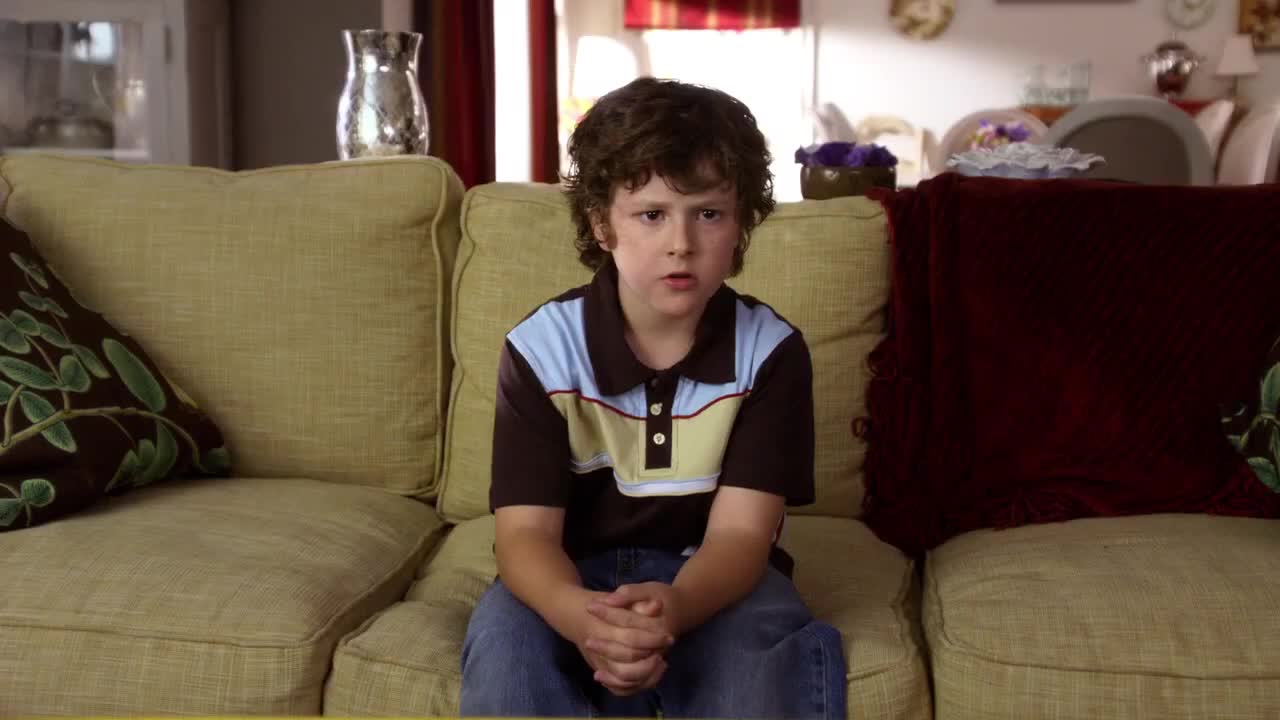
[Family Dynamics and Coming-of-Age Chaos: A Snapshot of Daily Life]-[Best of Luke Dunphy Season 1]
📋 Summary
Navigating the Complexities of Family Dynamics
The provided transcript offers a vignette of domestic life, characterized by the raw, often humorous, and sometimes awkward interactions between parents and children. At the heart of these exchanges is the challenge of communication and the clash of generational perspectives. The dialogue captures moments of vulnerability, such as when a child expresses a simple desire for a birthday gift—a belt—only to be met with the stark reality of financial constraints, as he notes, "Extension cord works pretty good." This highlights the resilience and humble expectations of the younger generation within this family unit.
The Trials of Childhood and Social Integration
The children in this narrative are navigating the typical, yet often uncomfortable, rites of passage. From the physical irritation of wearing "ugly sweaters" for Grandma to the more complex social pressures of adolescence, the dialogue touches on the feeling of being "itchy" rather than "chokey." The conversation shifts into a more mature and slightly scandalous territory when the topic of "naked pictures" arises. The children’s reaction—labeling the situation as "gross" and asserting "I'm 10"—reflects their attempt to distance themselves from adult concerns, while simultaneously highlighting the confusion and curiosity that define their transition into older childhood.
Humor, Conflict, and the 'Bathroom Martian'
Conflict is a recurring theme, often punctuated by quick-witted insults and playful banter. One character brags that they "just got schooled," emphasizing the competitive nature of their sibling-like dynamic. However, the dialogue also reveals a deeper, perhaps slightly dysfunctional, layer of parental influence. The mention of "Jagermeister" and the claim that it "makes girls easier to kiss" serves as a jarring reminder of the inappropriate information children sometimes absorb from their elders.
Despite the underlying tensions and the occasional "accident" on the rug, the family unit maintains a sense of cohesion through shared, albeit absurd, moments. The concluding segment, where a child adopts the persona of a "Bathroom Martian" from the "nebula of the great toilet," serves as a poignant reminder that amidst the pressures of school projects, family arguments, and the search for identity, the innocence of play remains a sanctuary. The parents’ shared amusement, captured in the sentiment "I will never get tired of this," suggests that despite the chaos, there is a profound, enduring affection that glues the family together.
Key Takeaways
- Resilience in Scarcity: The children show a surprising ability to make do with what they have, whether it's a makeshift belt or personal scratchers for their casts.
- Generational Friction: The dialogue highlights the disconnect between adult expectations and the children's evolving understanding of the world, particularly regarding social norms and inappropriate behavior.
- The Power of Play: Even when faced with the stresses of being "schooled" or the pressure of projects, the characters find refuge in humor and imaginative play, acting as a coping mechanism for the complexities of their daily lives.

Deep Learning with ListenLeap


