
[The Art of Recognizing Adult Exhaustion: Why We Need a Bedtime]-[Do This When Your Battery Is Running Low]
📋 Summary
The Overlooked Necessity of Adult Bedtime
The Childhood Paradigm of Exhaustion
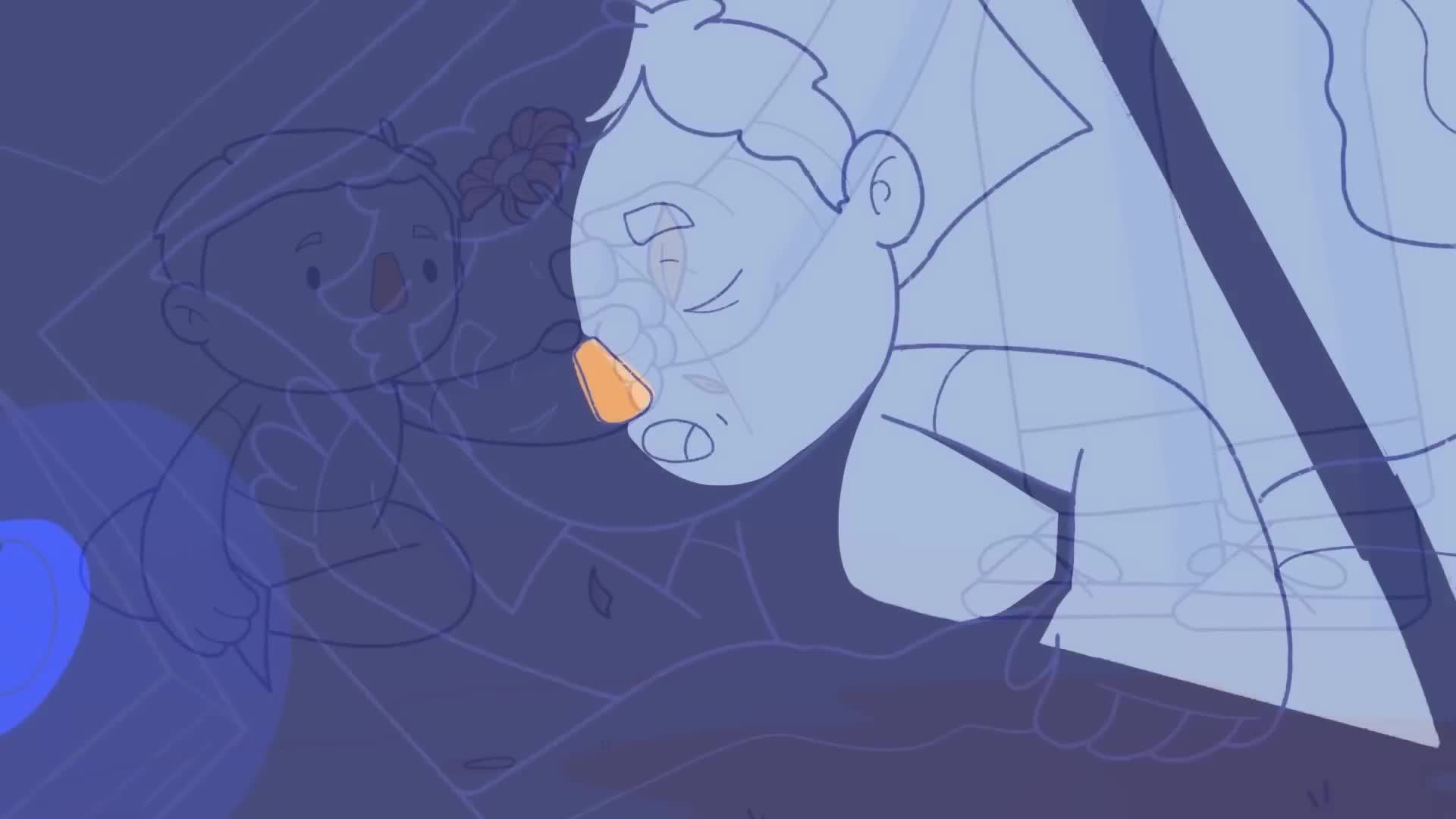
The podcast opens with a profound observation about children: they possess a fundamental inability to recognize their own fatigue. Instead of feeling sleepy, a tired child becomes "convinced that it now hates mummy," views minor inconveniences like a "button falling off the cardigan" as a "catastrophe," and may exhibit irrational impulses, such as throwing a "bread knife out of the window." The parent’s role is to look past the tantrums and recognize the underlying need for sleep. The speaker argues that adults suffer from a similar, yet more dangerous, blindness to their own biological limits.
The Perilous Zone of Modern Adulthood
As adults, we fail to pay "heed to how our bodies work." After a day involving "four cups of coffee," "67 emails," and the consumption of "15 conflicts and 12 scandals" via digital media, we enter a "perilous zone." In this state, our capacity for rational judgment erodes. We face the "danger of seeing only the idiocies of others" and the "danger of perceiving accidents as intentions." When we are depleted, we are prone to "winding up someone close to us to alleviate our rage" or erroneously believing that "shouting might every now and then solve something." The core issue is that we forget how the day has "gradually depleted our sense of perspective."
The Cumulative Toll of Minor Friction
The speaker warns that our downfall is rarely a single, momentous event. Instead, it is the "decades of invisible minor aggravations and low-grade frictions" that cause the most damage. Because we haven't performed "heroic" tasks like "climbing a mountain," we discount our exhaustion. We fail to realize that our mounting anger—whether it is about a "chip in the wall" or "missing sellotape"—is rarely about the object itself. It is a symptom of a "hugely fragile state" caused by total mental and physical depletion.
Strategies for Self-Preservation
To navigate these fragile states, the podcast advocates for a radical shift in how we manage our evenings. We must learn to "flag up" our vulnerability to those we care about, perhaps by confessing with a "mild smile" that we have "gone a bit mad."
Crucially, we must avoid the common traps of evening productivity:
- Do not discuss the "need to tidy the upstairs cupboard."
- Avoid planning "what we might do for the holidays."
- Refrain from "going through the finances" or asking "why we no longer have any fun."
Instead, the speaker suggests that we must "show our love by escaping." This means taking a "long bath" and prioritizing sleep, even if it means going to bed "not much past nine." While this might feel early for a grown adult, it is the perfect time for an "exhausted small bunny" who has been active since dawn. By treating ourselves with the same kindness we would offer a child, we acknowledge the wisdom that "it will all seem a lot more bearable in the morning."
Deep Learning with ListenLeap


