
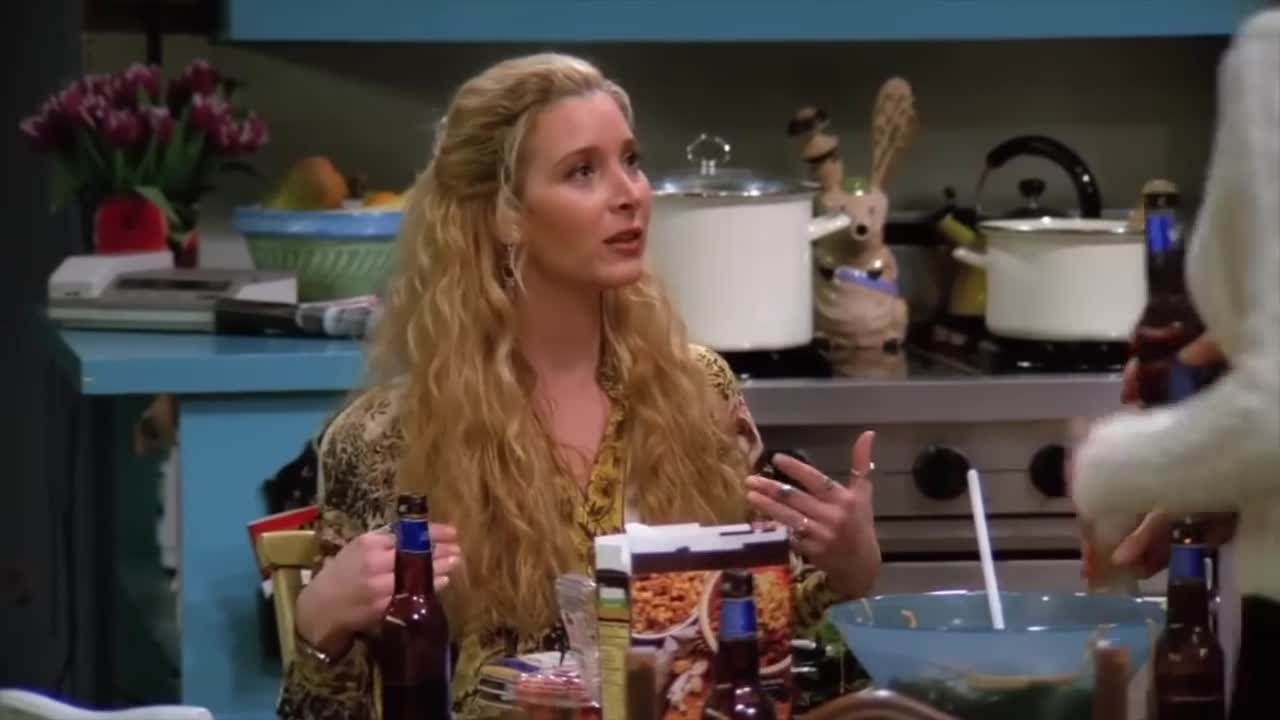
[Breaking the Cycle: A Valentine's Day Cleansing Ritual]-[The Bad Boyfriend Bonfire for Galentine's Day | Friends]
📋 Summary
Breaking the Cycle: A Valentine's Day Cleansing Ritual
In this segment from Friends, the characters Phoebe, Rachel, and Monica engage in a humorous attempt to move past their romantic failures through a "cleansing ritual." Inspired by Phoebe’s friend Abby—who is described as a woman who "voluntarily bald"—the group decides to utilize the upcoming Valentine’s Day as the perfect backdrop to "break the bad boyfriend cycle."
The Philosophy of the Ritual
The ritual is framed as a transformative experience intended to purge the remnants of past relationships. Phoebe proposes a variety of methods, ranging from the practical to the absurd, including the suggestion that they "burn the stuff they gave us." Other more eccentric ideas, such as to "chant and dance around naked" with sticks, highlight Phoebe's whimsical approach to spirituality. While Monica and Rachel opt for the more traditional path of burning items, the dialogue underscores the frustration and exhaustion that come with repetitive romantic disappointment.
The Practical Challenges of Symbolic Cleansing
As the group gathers supplies, the disparity between their goals and their resources becomes apparent. Phoebe’s request for "sage branches and the sacramental wine" is met with the reality of their limited pantry, which contains only "oregano and a fresca." This moment serves as a comedic reminder that the intention behind a ritual is often more important than the exact ingredients. However, the humor peaks when Phoebe demands the "semen of a righteous man," leading Rachel to point out the logical flaw in their endeavor: "If we had that, we wouldn't be doing the ritual in the first place."
Purging the Past: Items of Contention
The core of the ritual involves discarding physical mementos of past lovers, which serves as a therapeutic release. The characters begin "throwing things in" to the fire, including:
- Barry’s letters: Representing the baggage of Rachel’s past engagement.
- Adam Ritter’s boxer shorts: A literal piece of a former partner.
- Scotty Jared’s photo: A source of immediate disgust, especially when Rachel realizes he is wearing a sweater while supposedly naked, prompting a collective "Ew!"
The Final Ingredient: Paolo’s Grappa
The ritual reaches a chaotic climax when Rachel introduces "the last of Paolo’s grappa." The scene ends on a note of impending disaster, as the high alcohol content of the grappa threatens to turn their small cleansing fire into a much larger, more dangerous situation. This serves as a metaphor for the entire process: attempting to cleanse one's life of past trauma is often a volatile and unpredictable experiment.
In conclusion, while the ritual itself is steeped in absurdity and comedic timing, it touches upon the universal human desire to find closure. By literally burning the physical reminders of their "bad boyfriend cycle," the characters seek a fresh start, even if their methods are dangerously unconventional.
Deep Learning with ListenLeap


