
[The Porta-Potty Predicament: A Tale of Desperation and Poor Decisions]-[Avoiding the Family Porta-Potty at All Costs | Young Sheldon]
📋 Summary
The Unwelcomed Addition
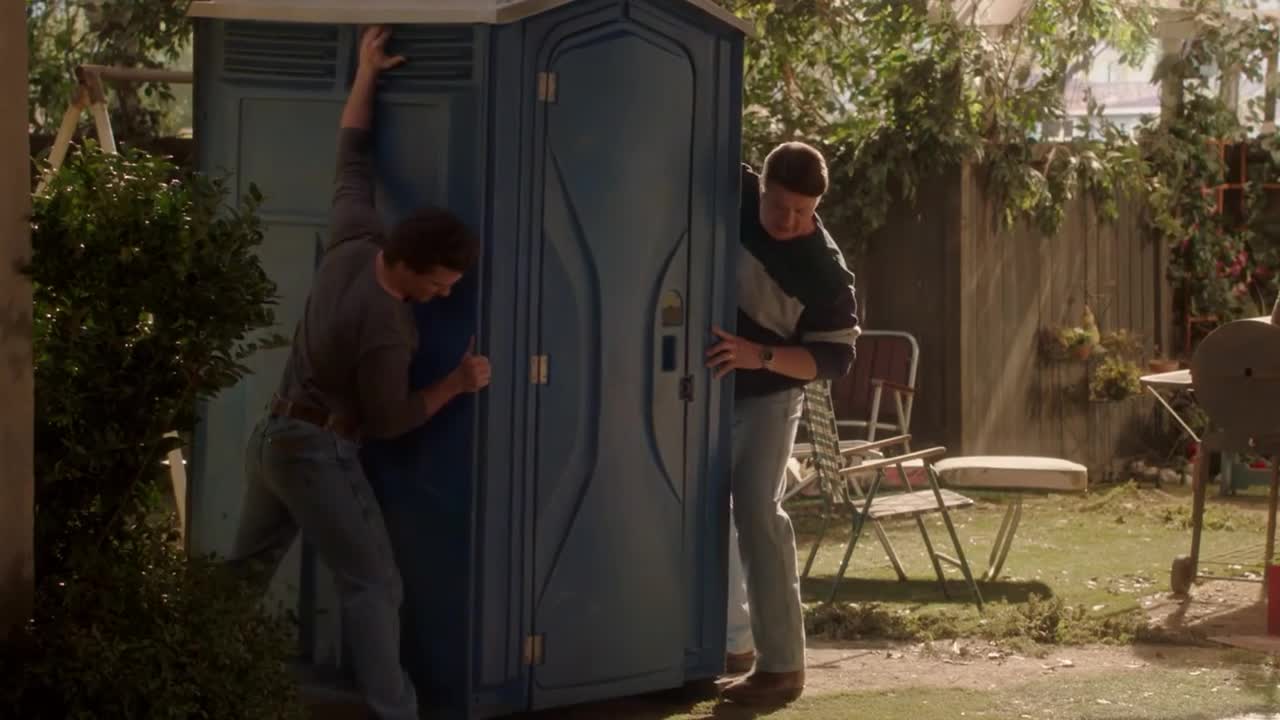
The narrative begins with a scene of domestic absurdity, centered around the arrival of a "big plastic crap house"—a portable toilet salvaged from a high school’s visiting team facilities. The narrator’s skepticism is palpable, dismissing the structure as an eyesore that even a strategic placement "by the fence" cannot redeem. Despite the narrator’s disdain, the other party remains insistent on its utility, even suggesting they "give it a whirl." The lack of internal lighting, which the narrator ironically notes is a "good thing," sets the stage for a night of profound discomfort and existential questioning, leading the narrator to remark, "I always wondered what rock bottom would look like."
A Battle of Willpower and Biology
Determined to avoid the grim reality of the porta-potty, the narrator devises a meticulous survival strategy. Recognizing that "my body may have been weak, but my mind was strong," the narrator attempts to exert control through physical discipline: "lowered my overall liquid intake," "skipped my pre-bed chamomile tea," and even "gave my bladder a stern talking to." This internal monologue highlights the absurdity of the situation, as the narrator attempts to override basic biological needs through sheer force of will. Despite these efforts, the narrator admits, "My bladder did not listen," marking the beginning of a desperate mental gymnastics routine to cope with the impending crisis.
The TARDIS Delusion
In a moment of humorous psychological displacement, the narrator attempts to reframe the "porta-potty" as a "TARDIS." By adopting the persona of Doctor Who, the narrator tries to convince themselves that their biological necessity is merely a form of "space and time" travel. However, the comparison quickly falls apart. While the iconic TARDIS is famously "bigger on the inside," the narrator is forced to confront the harsh, sensory reality that this specific unit was "smellier on the inside." This attempt to mask the indignity of the situation with pop-culture escapism serves only to underscore the narrator's mounting panic and the ultimate failure of their mental resilience.
The Final Indignity
Reaching a breaking point, the narrator abandons all remaining pretenses of dignity. The resolution is both shocking and darkly comedic: the narrator admits, "I’m not proud of this, but that night, I relieved myself inside Billy Spark’s chicken coop." This confession serves as the climax of the narrative, replacing the dreaded porta-potty with a far more unconventional and socially questionable alternative. The narrator concludes with a final, lingering thought regarding the "hens," noting that until they met their wife, these birds were the "only females I ever exposed myself to." This final admission underscores the sheer ridiculousness of the entire ordeal, cementing the story as a classic example of how a simple biological urge can lead an individual to abandon all social norms and descend into truly bizarre behavior.
Deep Learning with ListenLeap


