
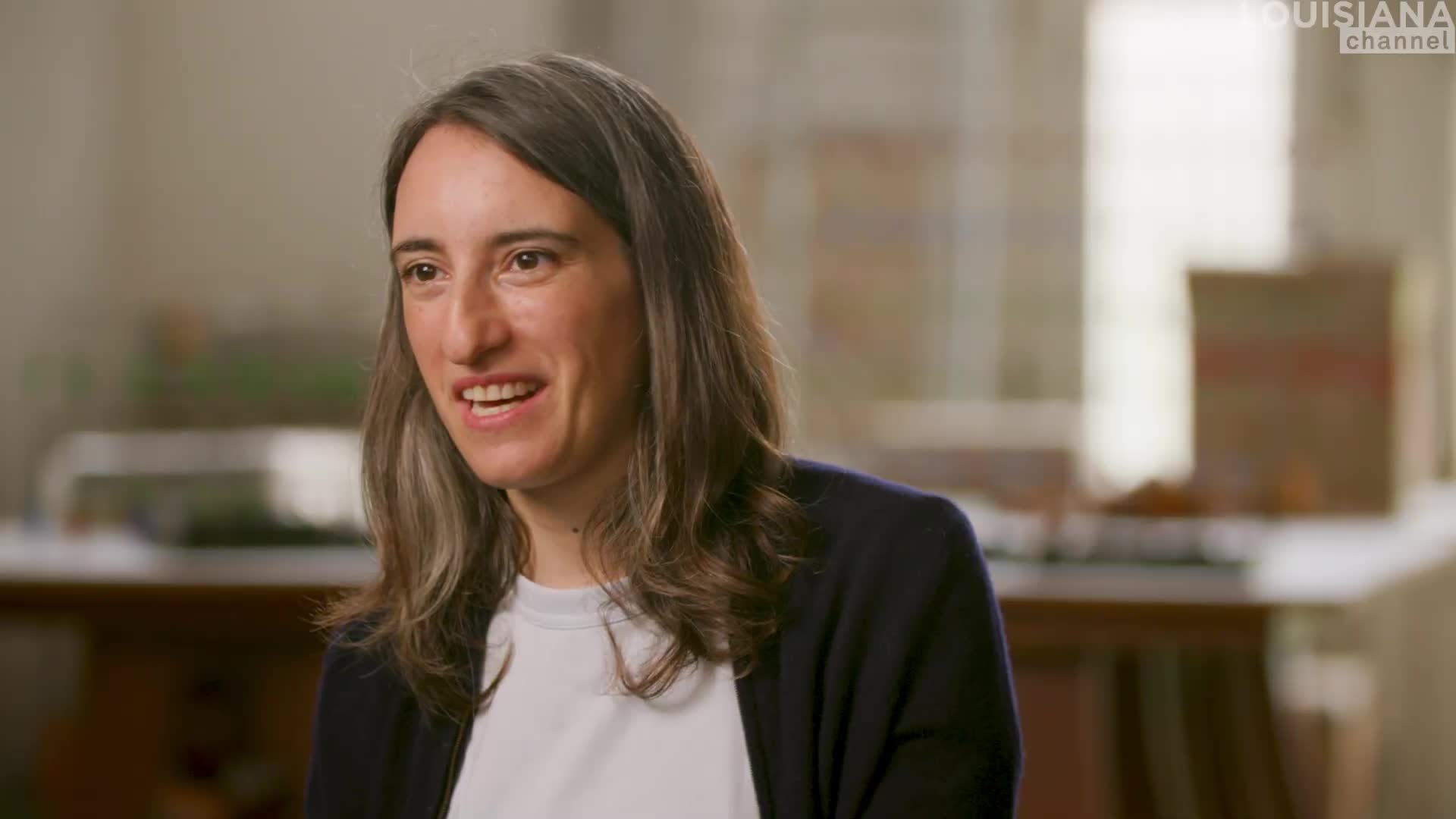
[The Materiality of Time: An Exploration of Sculpture, Perception, and Human Systems]-[Artist Marina Pinsky: Art Is a Shared Experience]
📋 Summary
The Materiality of Time: An Exploration of Sculpture, Perception, and Human Systems
In this profound exploration of artistic practice, the artist reflects on the intersection of physical objects and the intangible experience of time. By weaving together personal history, scientific curiosity, and a deep engagement with sculpture and photography, the artist reveals how art acts as a conduit for shared human experience.
The Philosophy of Time and Artistic Motivation
At the core of the artist’s work is the desire to foster a "shared experience" with an unknown viewer through the objects they create. The artist views time as "the material of our lives" that must be constantly negotiated. Influenced by a background in the "philosophy of science" and the "philosophy of time," the artist approaches sculpture not merely as static form, but as a medium that grapples with the "forces that are at work." While photography is described as "the most democratic art medium," the artist distinguishes it from sculpture by noting photography’s inherent limitation: it captures a subject in a "finite space" and "removes it from one time and places it into another." In contrast, the artist’s sculptures invite a visceral, physical reaction, aiming to evoke a sensation similar to "floating" or the feeling in one's stomach when "getting a piggyback ride."
Transforming the Mundane: Materials and Methodology
Much of the artist’s work is defined by a fascination with artificiality and the transformation of ordinary substances. Describing their process, the artist explains the use of "artificial stone materials"—a composite of "studio dust," resins, and "artificial plasters." This alchemy turns humble, discarded studio debris into objects that mimic the weight and presence of stone.
This methodology extends to the artist’s thematic research, where they often find beauty in the "failure" of rigid systems. For instance, the artist discusses the "13-month calendar" promoted by George Eastman, which aimed for a hyper-efficient, standardized society. The artist finds the absurdity of this failed system deeply compelling, noting that "nobody wants to live in this kind of efficiency-driven society." By recreating such objects, the artist critiques the systems that govern modern life.
Mapping Reality: From Chemical Vials to Urban Landscapes
The artist’s work often serves as a map of cultural and industrial markers. Using the "fan form"—originally designed for identifying the color of egg yolks—the artist draws a chilling parallel between agricultural manipulation and industrial control. This interest in the chemical and the clinical is further evidenced in sculptures inspired by pharmaceutical giants like "Hoffmann-La Roche" or "Novartis" in Basel.
One particularly poignant example of this intersection is a sculpture derived from a Google map of Basel. While the finished piece appears to be "constructivist looking geometry," it is rooted in the literal geography of the city, tracing the Rhine river and the boundaries of the pharma campus. By distilling these complex urban and industrial structures into abstract physical forms, the artist forces the viewer to confront the "limitations" of their own perception.
Conclusion: The Pursuit of Sensation
Ultimately, the artist’s practice is an attempt to bridge the gap between the viewer and the world through "pure visuality." Whether through the casting of "keyhole" fragments or the recreation of liquid test vials used for "chemical contaminants in water," the goal remains the same: to create a tangible encounter with the invisible forces of time, industry, and geography. By folding their diverse interests in chemistry, philosophy, and urban planning into their artwork, the artist succeeds in making the abstract feel physically present, inviting the audience to inhabit a space of shared wonder and critical reflection.
Deep Learning with ListenLeap


