
[Art as an Ally: Creative Resilience Amidst Global Crisis]-[Art Made in Adversity]
📋 Summary
The Role of the Artist in Times of Adversity
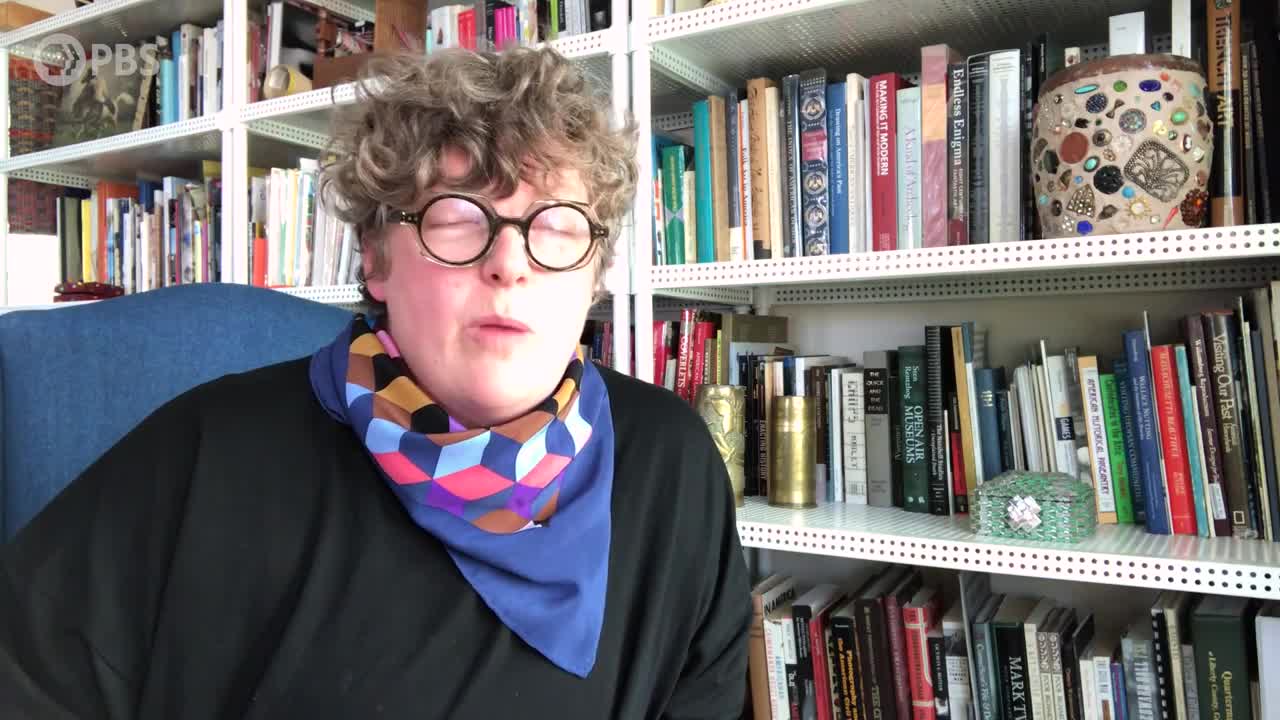
Alison Smith, Dean of Fine Arts at California College of the Arts, posits that artists serve as "visionaries and healers and activists." Reflecting on her own education during the AIDS pandemic, she recounts how her teacher, Ken Tisa, utilized art to navigate the profound trauma of his partner's death. This legacy of teaching shaped Smith’s pedagogical approach, particularly during the aftermath of the September 11 attacks, where she encouraged students to process collective trauma through creative expression. Smith argues that during the COVID-19 pandemic, art acts as an essential ally for "understanding, of recording, of processing and healing through these incredibly uncertain times."
Creativity Born from Scarcity: The 'Homemade' Project
To address the current reality of "restricted access to goods and services," Smith highlights Vladimir Arkhipov’s project, Homemade. This archive documents objects created by ordinary Russians during the collapse of the Soviet Union—a period of extreme economic instability known as "perestroika."
One poignant example is a ballpoint pen crafted by Andrei Drozdov from a lime twig and lacquered with nail polish because shops were empty. These objects are characterized by their "idiosyncratic functional qualities," ranging from practical tools like thread spoolers to "delightful" playthings. The project serves as a testament to human ingenuity when faced with the sudden disappearance of consumer goods, proving that necessity remains a primary driver of artistic innovation.
Trench Art: Crafting Meaning in Conflict
Smith further explores the concept of making art during wartime through the lens of "trench art." Although historically linked to World War I, she defines this as any object created in the context of "armed conflict or its consequences." She categorizes this practice into three primary forms:
- Battlefield Creation: Soldiers using "expended bombshells, shrapnel and other detritus" during downtime to personalize their gear or create art.
- Hospital Recovery: Works produced by wounded soldiers, such as "needlepoint and pin cushions" and other "sentimental love tokens," often made while confined to hospital beds.
- Incarceration and POW Camps: Objects made by prisoners, such as vases carved from "soup bones" or beaded snakes, which often functioned as currency for an "alternate market."
Conclusion: Art as Self-Care
By examining these extreme historical circumstances, Smith encourages her audience to view their own creative practices as a vital component of self-care. Whether dealing with the isolation of social distancing or the broader anxieties of a pandemic, the act of making—much like the ingenuity seen in Homemade or the resilience of trench art—allows individuals to assert agency. She concludes by urging creators to continue their practice, emphasizing that art is not merely an aesthetic pursuit but a fundamental tool for navigating the complexities of human existence during times of crisis.
Deep Learning with ListenLeap


