
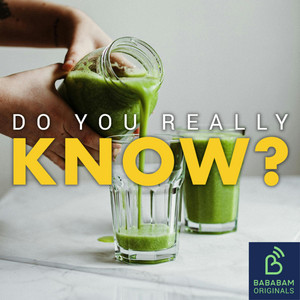
[Are Smoothies Actually Healthy? A Nutritional Deep Dive]-[Are smoothies actually good for you?]
📋 Summary
The Nutritional Profile of Smoothies
Smoothies have long enjoyed a "reputation for being healthy," often serving as a popular fixture in organic food stores and supermarkets. Many consumers view them as a "convenient way of consuming fruit and vegetables," effectively curbing the urge for "snacking between meals." Unlike fruit juice, which extracts only the liquid, a smoothie is created from "blended whole fruits and vegetables." This process ensures that the "flesh and pulp" remain in the drink, which are vital "source[s] of fibre."
The Fibre Advantage and Glucose Control
The primary health benefit of a smoothie lies in its fiber content. For instance, a "strawberry banana smoothie contains 12 grams of fibre per 100 millilitres," while a "kiwi apple pineapple smoothie contains 18 grams." This is significantly higher—roughly "four times more than your average fruit juice." This increased fiber plays a crucial role in health: it "slows down sugar absorption," which is essential for "preventing harmful glucose spikes in the blood." Because the sugar in homemade versions originates from the fruit itself rather than "added sugar," these beverages can be a nutritious choice.
Critical Warnings: Commercial Pitfalls and Consumption Habits
Despite the benefits, there are significant caveats. "Commercially prepared and store-bought smoothies" are frequently problematic because they often contain "added sugar, honey or other sweeteners." Furthermore, even a high-quality smoothie cannot fully replicate the benefits of whole, fresh fruit. The act of chewing fresh fruit is a mechanical process that ensures nutrients are "absorbed much more slowly than a smoothie."
To mitigate potential health risks, the following guidelines are recommended:
- Limit Portions: Restrict intake to "150ml per day," which is roughly equivalent to a "small glass."
- Mindful Consumption: Avoid the urge to "gulp it all down in one go." Instead, "savour your smoothie" to allow the body to process sugars properly and prepare the intestines for digestion.
- Timing: Be wary of when you consume them. It is best to "avoid drinking smoothies in the evening or during lunch" because they are "pretty packed with calories," often containing around "300" calories per serving.
The Case for Homemade Blending
The most effective way to ensure a healthy smoothie is to "opt for smoothies you make yourself at home using a blender." This grants complete control over the ingredients. A balanced, nutritious smoothie can start with a "liquid base like water or milk," followed by the addition of "fruit and vegetables, seeds, nuts, protein powder," or even "granola or cocoa." By taking charge of the preparation process, you can transform a simple trend into a genuinely healthy dietary habit, ensuring you truly understand the "true meaning behind the trends" that dominate current health headlines.
Deep Learning with ListenLeap


