
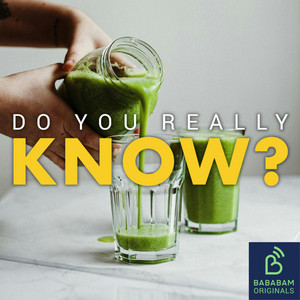
[Are Smoothies Actually Healthy? A Nutritional Deep Dive]-[Are smoothies actually good for you?]
📋 Summary
Are Smoothies Actually Healthy? A Nutritional Deep Dive
In recent years, smoothies have become a staple in organic food stores and supermarkets, often marketed as the ultimate healthy choice. While many consumers view them as a "convenient way of consuming fruit and vegetables" and an effective tool to curb snacking, it is essential to understand the nuances of their nutritional profile.
The Fundamental Difference: Smoothies vs. Fruit Juice
To understand why smoothies are generally considered superior to fruit juice, one must look at the preparation process. A smoothie is created by blending "whole fruits and vegetables," meaning the "flesh and pulp" are retained. This is critical because these components are the primary "source of fibre." In contrast, fruit juice processing discards these elements, leaving only the liquid.
Data supports the health superiority of smoothies: a "strawberry banana smoothie" contains 1.2 grams of fibre per 100 milliliters, while a "kiwi apple pineapple smoothie" offers 1.8 grams. This is "4 times more than your average fruit juice," making smoothies significantly more filling and nutritionally dense.
Blood Sugar and the Role of Fibre
The primary health advantage of the smoothie lies in its "higher fibre content." Fibre plays a vital role in slowing down "sugar absorption," which helps in "preventing harmful glucose spikes in the blood." By consuming the whole fruit, the body processes the natural sugars more effectively than it would with the stripped-down liquid of a juice. However, a significant caveat exists: "commercially prepared and store bought smoothies" often contain "added sugar, honey or other sweeteners," which can negate these benefits. Therefore, homemade options are vastly preferred.
The Hierarchy of Health: Whole Fruit vs. Smoothies
Despite their benefits, the podcast notes that the nutritional value of a smoothie will "never be as healthy as those of fresh fruit." The act of chewing fresh fruit is a crucial part of the digestion process. Because you must chew, the fruit is "absorbed much more slowly" than a blended smoothie, providing a more regulated metabolic response.
Best Practices for Consumption
If you choose to incorporate smoothies into your daily diet, moderation and method are key:
- Portion Control: You should "limit your consumption to 150 milliliters per day," which is roughly a small glass.
- Mindful Drinking: Do not "gop it all down in one go." It is important to "take the time to savor your smoothie," which allows the body to "absorb the sugar slowly" and prepares the intestines for digestion.
- Timing: It is advisable to avoid drinking them during lunch or in the evening, as they are "pretty packed with calories," with a single serving containing around 300 calories.
Creating the Perfect Homemade Smoothie
To maximize the health benefits, the best approach is to "opt for smoothies you make yourself at home using a blender." This gives you total control over the ingredients. You can start with a "liquid base like water or milk" and enhance the nutritional profile by adding "seeds, nuts, protein powder and even granola or cocoa."
By following these guidelines, you can transform the popular smoothie trend from a simple snack into a genuinely nutritious part of your daily health regimen.
Deep Learning with ListenLeap


