
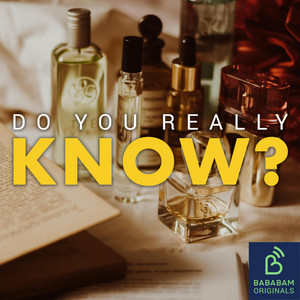
[The Hidden Risks of Fragrance: Are Our Perfumes Toxic?]-[Are our perfumes toxic?]
📋 Summary
The Hidden Risks of Fragrance: Are Our Perfumes Toxic?
Perfume is an iconic luxury product cherished by millions globally for its aesthetic appeal. However, beneath the pleasant scents lies a complex chemical reality that raises significant health concerns. As the industry often operates with limited transparency, consumers are frequently left in the dark regarding the substances they apply daily to their skin, hair, and clothing.
The Problem of Industry Opacity
A primary issue highlighted in the podcast is the lack of transparency within the perfume industry. Manufacturers often utilize the vague umbrella term "fragrance" to bundle hundreds of undisclosed ingredients. By shrouding their formulas in secrecy, companies avoid disclosing specific components to both consumers and regulators. This absence of transparency means that individuals are unknowingly exposing themselves to various synthetic chemicals created in laboratories, rather than relying solely on natural essential oils.
Health Impacts and Allergenic Ingredients
The health implications of these hidden ingredients are significant. The podcast notes that between 5 and 25 million people in Europe suffer from allergies directly linked to fragrances. Even high-quality, famous brands are not exempt from these issues. A consumer magazine analysis of prominent fragrances—including Dior's J'adore, Flower by Kenzo, and Jean-Paul Gaultier's Malle—revealed that these products contained an average of 22 allergens. The most prevalent of these were identified as "linalool" and "limolene."
Beyond simple allergies, these substances can have more severe biological effects. Certain molecules, including "butylated hydroxycholine," have been flagged as potential "endocrine disruptors." The report further warns that some perfumes contain dyes capable of promoting cancer development, altering fertility, or disrupting "foetal growth." Additionally, ingredients like bergamot can cause skin to become "photosensitive," and even prestigious fragrances such as Yves Saint Laurent's Black Opium or Chanel's Coco Mademoiselle contain components capable of causing skin irritation.
Regulatory Gaps and Accountability
How do these potentially hazardous products reach the shelves? The podcast explains that, according to the UK government, cosmetic products do not require "pre-market approval." Instead, the responsibility falls entirely on the manufacturers to ensure their products comply with cosmetic regulations and are safe for public use. This self-regulatory model has drawn sharp criticism from NGOs and consumer advocacy groups, who argue that the industry lacks sufficient "accountability" and transparency to protect the public effectively.
Navigating the Risks: Consumer Recommendations
Despite these concerns, the podcast concludes that consumers do not necessarily need to abandon perfume entirely. Instead, a more informed and cautious approach is advised. To mitigate potential risks, the following strategies are suggested:
- Use Sparingly: The most direct way to minimize exposure is to use perfumes sparingly or choose not to wear them daily.
- Prioritize Transparency: Seek out products that provide a full list of ingredients on their labels, avoiding those that hide behind the generic "fragrance" label.
- Look for Certifications: Utilize ratings from independent organizations, such as the "Environmental Working Group," to assess the safety profiles of specific cosmetic products.
- Choose Natural Alternatives: Opt for perfumes derived from "natural essential oils" that are organic and clearly labeled, which helps avoid the direct application of "petrochemical products" on the skin.
By staying informed and demanding greater transparency, consumers can better navigate the perfume market and make choices that align with their personal health and safety standards.
Deep Learning with ListenLeap


