
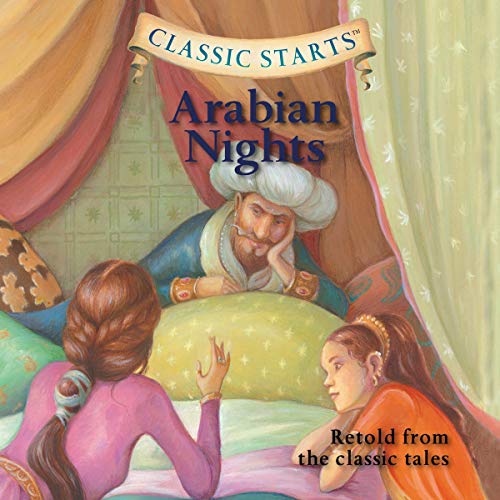
[The Resolution of Scheherazade and the King: A Transformation of Heart]-[Arabian Nights - Part 12]
📋 Summary
The Conclusion of an Epic Narrative
The final passage of the legendary tales serves as the "Epilogue," marking the culmination of the perilous journey undertaken by Scheherazade. Having captivated the king for "many nights with these tales," she successfully navigates a landscape of existential threat through the power of storytelling. This period of intellectual and emotional engagement is not merely a survival tactic but a formative foundation for their future, as she "bore him three children" during their time together.
The Transformation of the King
The narrative arc of the king undergoes a profound shift from a murderous tyrant to a compassionate partner. The text notes that "the king learned to love her," indicating that his initial cruelty was replaced by a genuine emotional connection. This redemption is twofold: internal and external. Internally, the king "had come to his senses," suggesting that his previous cycle of violence was a form of madness or moral blindness that was cured by the wisdom woven into Scheherazade’s narratives.
Acts of Restitution and Reconciliation
Forgiveness becomes a central theme in the resolution. While the king had previously sought to destroy her, the epilogue reveals that "she came to forgive him," illustrating a sophisticated emotional maturity. The king’s "amends" are demonstrated through concrete actions: "sparing her life and making her his queen." These acts represent a definitive break from his past transgressions and a commitment to a new social and domestic order.
A Legacy of Happiness
The epilogue concludes on a note of domestic stability and shared joy. The king does not merely tolerate his wife; he "cherished his wife and the story she had told him." This detail is significant because it implies that he values the very medium—the stories—that saved her life and changed his perspective. By honoring the narrative process, the king ensures that the wisdom gained during their ordeal remains a part of their household. Ultimately, the text leaves the reader with the image of a transformed union, stating that "they lived together in great happiness," signifying a complete restoration of order and the triumph of discourse over violence.

Deep Learning with ListenLeap


