
[An Overview of Anything Goes: Podcast Evolution and Brand Integration]-[anything goes comes to spotify - trailer]
📋 Summary
Navigating the Digital Noise: Wellness and Professional Guidance
The podcast begins by addressing the overwhelming nature of the internet, specifically regarding "wellness or mental health tips." The host highlights the struggle of trying to "sort through" an abundance of conflicting information online, noting that much of this content is not produced by people who "really know what they're doing." To combat this, the script advocates for seeking "trusted sources" or engaging with a "living, breathing person" such as a therapist. The argument is that professionals are "trained to help you gain confidence, improve relationships, and share positive coping skills tailored to you specifically." This segment emphasizes that accessing therapy, particularly through platforms like BetterHelp, is "less complicated than you think."
Digital Identity and E-commerce Excellence
Transitioning into the importance of online presentation, the narrative shifts to the user experience of websites. The host suggests that a poorly designed site can give a user "the ick," a feeling that can be avoided through tools like Squarespace. By leveraging "design intelligence," individuals can build "beautiful, more personalized websites" that are "tailored to your unique needs." Furthermore, the discussion touches on the necessity of "integrated and optimized SEO tools" to drive traffic, illustrating how modern digital infrastructure is vital for both personal expression and business success.
The Appeal of Vintage Fashion and Authenticity
In a nod to personal style, the podcast explores the concept of the "main character piece"—that specific item that is "so you" and for which you become known. Whether it is a "Miu Miu off the runway red leather bomber" or a "fleece in the 2017 colorway," these items are positioned as essential finds on eBay. The platform is framed as a premier destination for "pre-loved and vintage fashion," underscored by an "authenticity guarantee," which provides peace of mind for collectors looking to curate a distinct wardrobe.
The Evolution of 'Anything Goes'
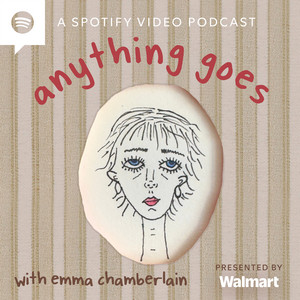
Emma Chamberlain, the host of the Anything Goes podcast, outlines the future trajectory of her show. Describing it as a space where she discusses "anything," from "analyzing various topics to telling stories" and "giving advice," she announces a significant shift: starting in February 2023, Spotify becomes the "exclusive home" for the podcast. This transition marks an era of expansion, with plans to introduce "guests" so it is "not just me talking for an hour," alongside the introduction of "mini video episodes" and other "surprises." The central message is clear: listeners should "get ready for more."
Nostalgia and Consumer Incentives
Finally, the podcast touches on the cultural resurgence of the 90s. By leveraging nostalgia for "the snacks" and "the 90s techno," Instacart incentivizes listeners to "summer like it's 1999." By offering discounts that mimic the price points of that era, the brand taps into the trend of bringing back "everything you loved about them," specifically focusing on price accessibility as a primary driver for consumer engagement.
Deep Learning with ListenLeap


