
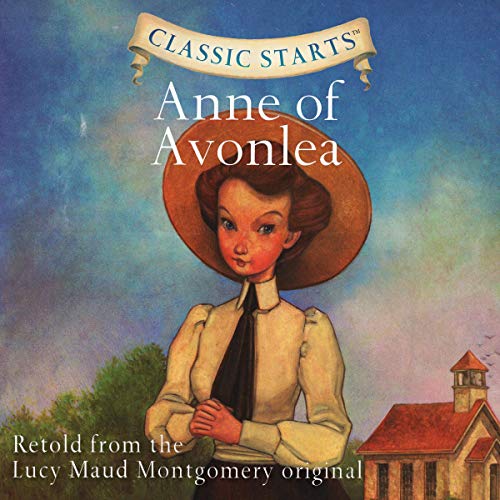
[The Avonlea Village Improvement Society: A Comedy of Errors and Growth]-[Anne of Avonlea - Part 08]
📋 Summary
The Avonlea Village Improvement Society: A Comedy of Errors and Growth
The Hall Disaster: A Chromatic Miscalculation
The Avonlea Village Improvement Society, led by Anne and her peers, faced its first major hurdle with the renovation of the community hall. The committee had meticulously planned to paint the building "a very pretty green." However, the project quickly devolved into what Anne described as "dreadful" when it was discovered that the hall had been painted "a bright blue." The error stemmed from a logistical failure: Roger Pye had purchased "paint color number 157" instead of the intended "number 147." As Fred Wright noted, they should have gone to Carmody themselves to ensure accuracy, but the reality was that the society simply could not "afford to paint it again."
Community Reaction and Resilience
Initially, the transformation of the hall into an eyesore caused significant tension. The local residents were "furious that their donation money had been spent on such an awful color," fearing that "everyone will laugh at our mistake." Anne, in particular, was deeply distressed, as she "moaned" and "sobbed" over the outcome. However, the community’s perspective shifted as they recognized the "honest mistake" and the genuine labor the youth had invested. This shift in sentiment led to increased community support, with residents like Major Spencer and Mrs. Spencer stepping up to contribute to other village projects. Mr. Harrison provided a humorous, pragmatic perspective, noting that since the hall was already "the ugliest thing I've seen," it simply "has to improve with age."
Marilla’s Burden and Anne’s Maturation
Parallel to the hall drama, life at Green Gables continued to evolve. Marilla found herself increasingly burdened by her "troubling eyesight" and the responsibility of caring for the twins, while also assisting the Lynde household. With Mr. Lynde’s health failing, Marilla’s support became essential, though she privately "suspected that Mr. Lynde's illness might be more serious than Rachel thought."
Despite the increased workload, Anne flourished in her role as a teacher, shedding her former nervousness. Her life at home was brightened by the presence of the twins, who made Green Gables "a bright and active place" filled with "accidents and new adventures."
The Eternal Spirit of Youth
Anne’s character development is highlighted through her interactions with the natural world and her friend Diana. She continued to carry a sense of wonder, often seen "walking with a spring in her step," greeting trees, and whistling back at birds. When Diana teased her for still "talking to herself" and acting like "a little girl," Anne’s response revealed her profound self-awareness. She acknowledged that while she was embracing adulthood, "I was a little girl for so many years. I've only been a grown-up for a very little time. It takes some getting used to." This reflection encapsulates the central theme of the narrative: the transition into responsibility does not necessitate the abandonment of the imaginative and joyful spirit that defines Anne Shirley.
Deep Learning with ListenLeap


