
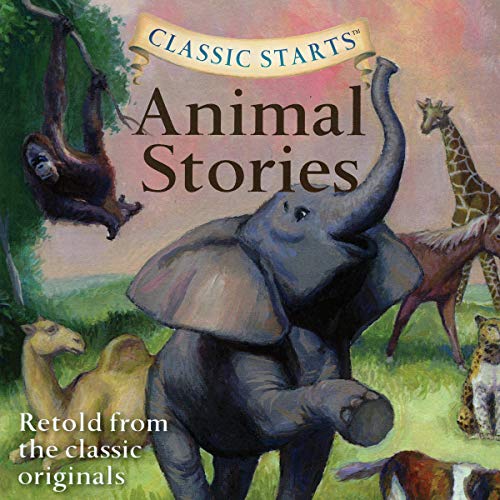
[The Origin of the Camel's Hump: A Tale of Laziness and Consequence]-[Animal Stories - Part 03]
📋 Summary
The Legend of the Camel’s Hump
Rudyard Kipling’s classic fable, "How the Camel Got His Hump," serves as a timeless moral narrative regarding the consequences of sloth and the necessity of communal contribution. Set in the "beginning of years" when the world was "very new," the story introduces a camel residing in the "howling desert" who epitomizes indolence.
The Refusal to Work
The narrative establishes a clear conflict between the industrious nature of the other animals and the stubborn laziness of the camel. When approached by the horse, the dog, and the ox, each inviting him to "work with us and man to make the desert a better place," the camel consistently dismisses their requests with a singular, disdainful utterance: "Humph!"
This behavior creates a significant burden for the other creatures. Because the camel refuses to participate, the man, horse, dog, and ox are forced to "work twice as hard" to compensate for his absence. While the others "worked and sweated in the hot desert sun," the camel remained idle, chewing on "sticks and thorns and milkweed and prickles," mocking those who labored.
The Intervention of the Magic Genie
The tension reaches a breaking point when the overworked animals hold a meeting and eventually appeal to a "magic genie" who arrives in a "cloud of dust." The animals express their frustration, explaining that they have "worked ourselves to the bone" while the camel does nothing but "laugh at us."
The genie approaches the camel, attempting to reason with him. Despite the genie’s warnings, the camel remains obstinate, repeating his signature "Humph!" The genie, recognizing the camel’s persistent refusal to contribute, decides that a lesson in responsibility is required. With a "swoosh of his hand," he invokes a "terrible, twirling, twisting cloud of dust" that transforms the camel’s physical form.
The Consequence: A Burden Transformed into Utility
The camel’s back begins to "puff up and up," resulting in a "great, big, lollipopping hump." The genie informs the camel that this transformation is a direct result of his own choices: "You've brought it on yourself."
Crucially, the genie redefines the camel’s burden as a functional tool. When the camel complains that he "cannot go without food and drink for three long days," the genie explains that he can "store food and water in the humph on your back." This allows the camel to work continuously, enabling him to "live on your humph" while performing the labor he previously ignored.
The Moral Resolution
The story concludes with the camel being integrated into the working team. He is tasked with working for "three days straight" to make up for his lost time, eventually spending "the rest of your days working alongside the man, horse, dog, and ox." The tale effectively illustrates that the "humph"—originally a symbol of the camel’s stubbornness—becomes a permanent physiological reminder of the necessity of labor and the importance of fulfilling one's obligations to the community. By the end, the camel’s refusal to help is corrected, and the desert becomes a more cooperative environment, proving that even the most stubborn individuals can be compelled to contribute when faced with the consequences of their own inaction.
Deep Learning with ListenLeap


