
[The Deceptive Delay: Navigating Social Friction and White Lies]-[Amy’s Walled-in | The Big Bang Theory]
📋 Summary
The Anatomy of a Fabricated Excuse
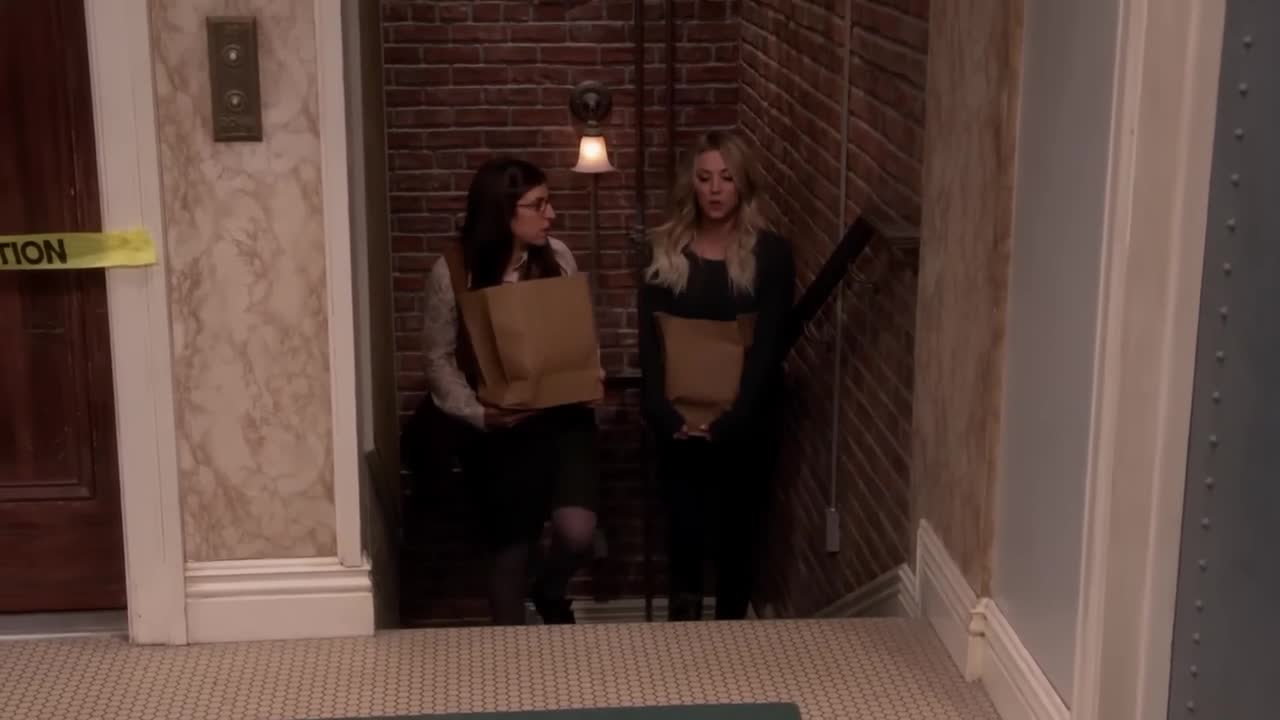
The podcast segment centers on a classic social dilemma: the use of elaborate, albeit absurd, fabrications to maintain personal boundaries or manage social expectations. The dialogue revolves around an apartment renovation delay, which serves as a canvas for exploring how individuals construct "crap"—or elaborate falsehoods—to justify their actions or lack thereof. The primary protagonist relies on the "drywall problem" as the anchor for this deception, claiming that the material became compromised by moisture. The humor and the underlying tension arise from the absurdity of the technical excuse: the linguistic transition from "drywall" to "wet wall" or "damp wall." This highlights a common human tendency to over-explain when caught in a lie, as the speaker attempts to add layers of pseudo-logical reasoning to deflect further inquiry.
The Role of Social Compliance and Avoidance
The narrative illustrates the lengths to which people will go to avoid confrontation or the discomfort of telling the truth. When the interlocutor questions the delay, asking, "Why don't they just get more drywall?" the protagonist invents a secondary layer of fiction involving a "woman at the wall store" and a potential sale. This illustrates the "sunk cost" fallacy of lying; once a falsehood is initiated, the liar feels compelled to continue building the narrative to protect the initial claim. The absurdity of waiting for a sale on drywall in a professional renovation context is a clear signal of the dishonesty at play, yet it serves its purpose in buying time and creating distance.
Managing Skepticism through Psychological Manipulation
A critical component of this discussion is how the protagonist manages Sheldon’s skepticism. The podcast reveals that Sheldon, known for his analytical nature, began to "question it," signaling that the facade was beginning to crumble. To resolve this, the protagonist utilized a tactical "fake sneeze" to trigger Sheldon’s germophobia, forcing him to "run to take a shower." This maneuver is a fascinating study in social engineering: using a person’s known phobias or behavioral triggers to neutralize their investigative efforts. It emphasizes that social deception is rarely just about the words spoken; it is about controlling the environment and the reactions of the target.
The Moral Weight of Deception
The conversation concludes with a moment of vulnerability, where the protagonist admits, "I feel terrible about this." This shift acknowledges the moral fatigue associated with maintaining a charade. Even when a lie is successful—as evidenced by the confirmation that the "apartment's ready"—the internal cost remains. The final exchange, where the partner urges the protagonist to "let it go," serves as a reminder that social fabrications often create a lingering anxiety. The listener is left to consider whether the temporary peace afforded by these "white lies" is worth the complexity of maintaining them, or if, as the interlocutor suggests, it is better to simply stop the cycle of fabrication before it spirals into further absurdity.
Deep Learning with ListenLeap


