
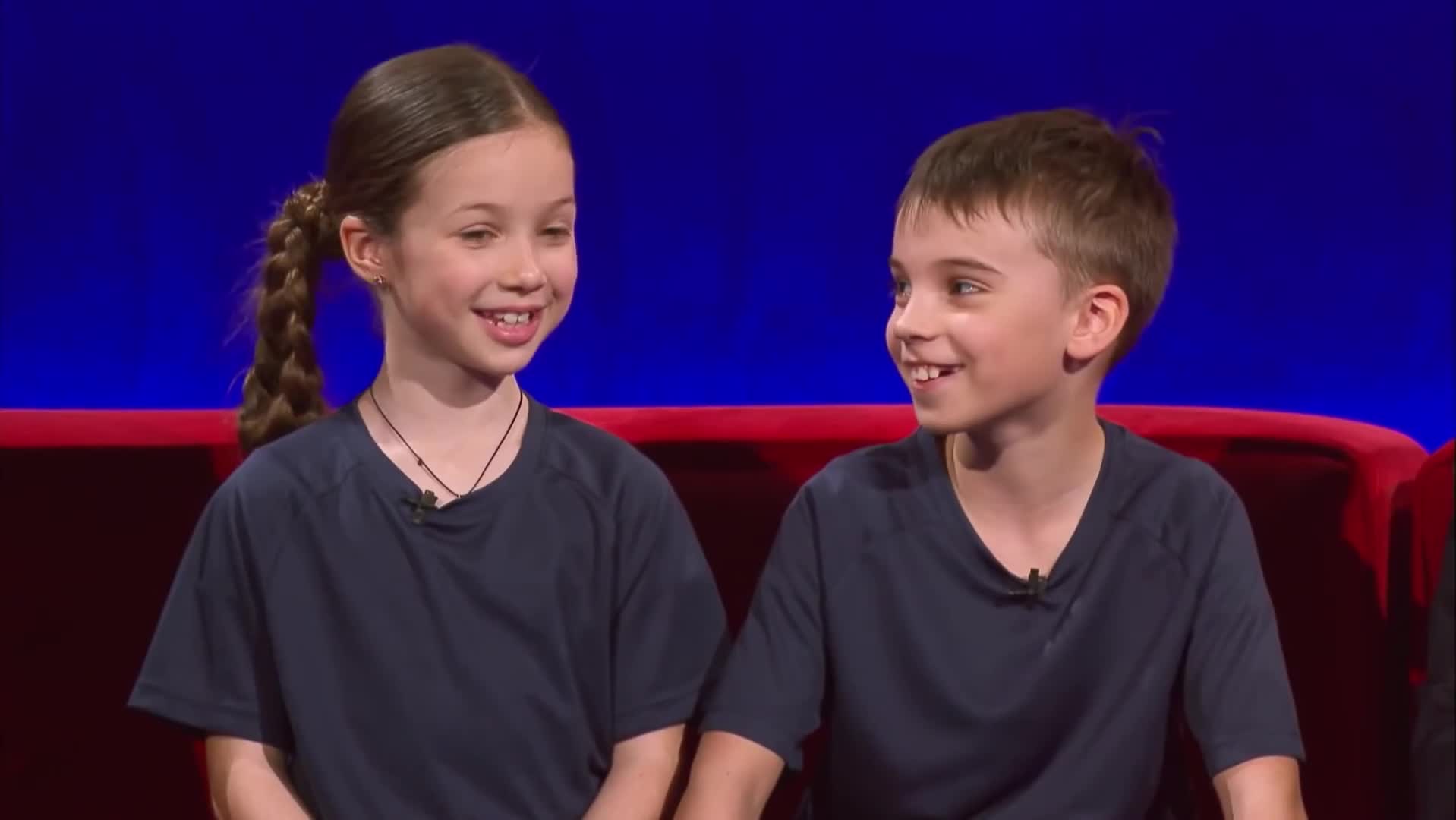
[Gravity-Defying Siblings: An Insight into the World of Aerial Acrobatics]-[The Amazing 7 & 10 Year Old Aerial Acrobats Duo! @BestLittleBigShots]
📋 Summary
Beyond the Circus: The Extraordinary Lives of Katya and Nikita
In a fascinating glimpse into the world of professional performance, the interview with Katya and Nikita, two young acrobats from Ukraine, unveils the dedication and unique personality behind their death-defying feats. While many perceive the circus as a place filled with "clowns running around," the reality for these performers is rooted in rigorous discipline, extreme physical strength, and a surprising set of relatable fears.
The Misconceptions of Circus Life
The conversation begins by addressing the common myths surrounding circus life and Australia. The hosts playfully touch upon the stereotype that kangaroos are seen "jumping along the street" in Australia, a misconception that many international visitors hold. The duo, having traveled from Ukraine to perform, brings a refreshing perspective, highlighting that their lives are not defined by the whimsical imagery of circuses, but rather by the intense physical demands of their craft.
Physical Prowess and the Dynamics of Strength
When discussing their aerial acrobatics and gymnastics, the hosts are quick to point out the obvious: "You must have to be so strong to be able to do what you do." The physical strain required to balance another person's weight at extreme heights is immense. Addressing the difficulty of maintaining a performance-ready demeanor, the hosts ask, "How hard is it to keep a smile on your face when you must be straining so hard?" Their ability to maintain composure while performing heavy-lifting maneuvers is a testament to their elite training. Whether it is aerial acrobatics or complex gymnastics, their movements are described as "quick" and "amazing," showcasing a level of agility that requires years of dedicated practice.
Fearlessness vs. Human Vulnerability
Perhaps the most striking part of the interview is the contrast between their professional fearlessness and their personal vulnerabilities. The hosts observe that because they perform "incredibly high off the ground," they must be "fearless." However, when asked if they are scared of anything, their answers are remarkably grounded. Rather than fearing the heights that define their career, they admit to being afraid of things as mundane as "snakes."
This vulnerability humanizes them, shifting the focus from the dangerous stunts they perform to their identities as young individuals. The lighthearted exchange regarding a joke about a snake biting its own tongue adds a layer of warmth to the interview, proving that even those who operate in high-stakes environments are susceptible to common fears.
The Art of the Performance
As the interview concludes, the focus shifts back to their upcoming demonstration. The hosts emphasize that the audience is not just watching a simple act, but witnessing something "extremely dangerous" that viewers should "not try this at home." The transition from the interview couch to the stage highlights the transition from the conversational, relatable children to the high-flying professionals they become when they perform.
Ultimately, the story of Katya and Nikita is one of extraordinary talent balanced by childhood innocence. They represent the pinnacle of what young performers can achieve through discipline and physical mastery. Their journey from Ukraine to the global stage serves as a powerful reminder that while their acts are meant to inspire awe and curiosity, the individuals behind the performance remain grounded in their unique, human experiences.

Deep Learning with ListenLeap


