
[The Rituals and Challenges of Alligator Mating in the Florida Everglades]-[Alligator Courtship | Natural World: Florida - America's Animal Paradise | BBC Earth]
📋 Summary
The Rhythms of the Dry Season
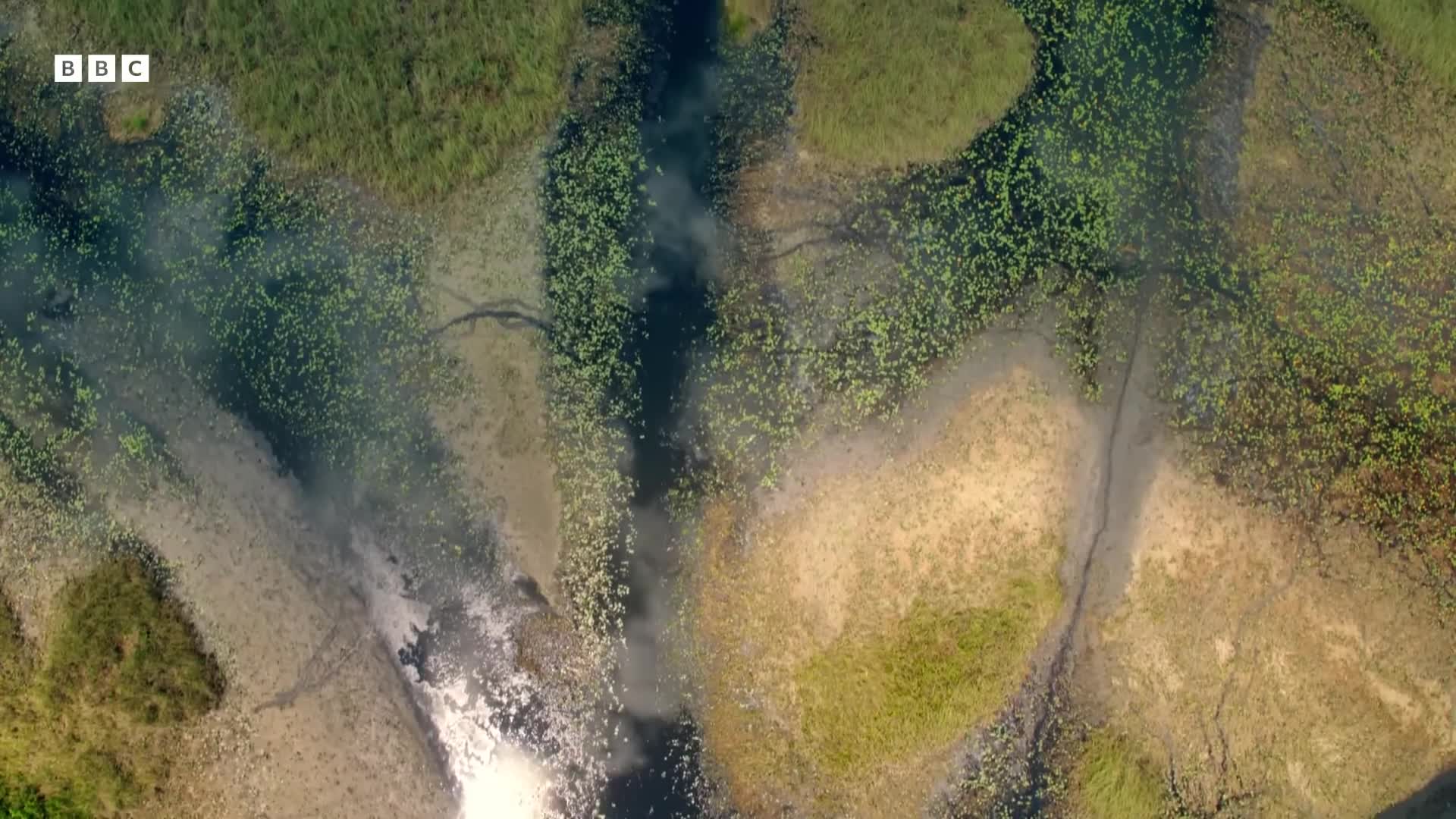
In the Florida landscape, the transition between winter and early spring marks the critical 'dry season.' Characterized by a 'baking sun' and a near-total absence of rainfall, this period sees water levels recede to their annual minimums. This environmental shift serves as the backdrop for one of nature’s most ancient displays: the alligator mating season.
The Physics of the Bellow
As the water recedes, a 'strange sound' permeates the air. Male alligators initiate a sophisticated acoustic display to navigate the 'vast expanse of water.' By vibrating their larynx, they produce 'deep growls'—low-frequency sounds that are largely 'inaudible to human hearing.' The physical impact of these vibrations is profound, literally causing the 'water dance' around the male. These signals serve a dual purpose: they act as a territorial deterrent that 'wards off competitors' and function as a long-distance advertisement of vitality, capable of being 'heard over a kilometer away.' These bellows broadcast the male's size and strength, essential metrics for attracting a mate.
The Complexity of Courtship
Once a female responds to the male’s call, the interaction is far from instantaneous. Females are selective, leading their potential partners on a 'merry dance' before committing to a pairing. This courtship phase is an endurance test, often lasting for 'days.' During this time, the pair may engage in mating multiple times, after which they inevitably go their 'separate ways.' While the male’s role in the cycle is transient—often moving on to seek other partners—the female’s responsibilities escalate immediately following the conclusion of the mating ritual.
Nesting and Future Uncertainties
Post-mating, the female shifts her focus entirely toward the construction of a nest, a critical structure that must be ready to house her eggs within a strict 'month's time.' The success of this process has allowed alligators to remain the apex predators of this region, having 'dominated this landscape for millennia.' However, their evolutionary success is currently facing a precarious future. The narrative concludes on a somber note, highlighting that despite their historical resilience, their essential 'freshwater habitat is under serious threat,' casting doubt on whether these ancient rituals can continue to thrive in an increasingly unstable environment.
Deep Learning with ListenLeap


