
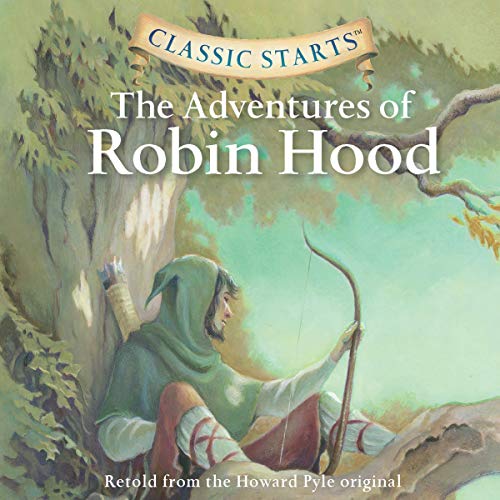
[The Origin of Robin Hood: From Archer to Outlaw of Sherwood Forest]-[The Adventures of Robin Hood - Part 02]
📋 Summary
The Legend of the Archer
In the era of King Henry II, the legend of Robin Hood began in Sherwood Forest. Described as a "strong, young six-footer with the blazing blue eyes," Robin was an exceptionally gifted archer. His journey from a confident youth to a legendary figure is rooted in a fateful encounter that forever changed his destiny.
The Fateful Encounter and the Wager
At the age of 18, Robin set off for Nottingham to compete for a prize offered by the Sheriff. While passing through the forest, he was mocked by a group of men who belittled his skills, calling his equipment a "toy bow and baby arrows." Provoked by their insults, Robin made a wager of three hundred pounds that he could kill the "strongest buck" in a nearby herd. With a precise shot, he proved his mastery, yet the men refused to pay, instead threatening him and accusing him of poaching "the king's deer."
The Turning Point: A Life Defined by Defense
The situation escalated when the man with the eyepatch attempted to shoot Robin. In an act of "self-defense," Robin returned fire, his arrow flying "straight to the man's heart." This singular event left Robin burdened with deep regret, as he lamented, "I wish I had never walked down that path." By killing a man and poaching the king's deer, Robin was forced into the life of an outlaw, carrying the "pain" of his actions for the rest of his life.
The Formation of the Merry Fellows
Robin’s exile in Sherwood Forest became a sanctuary for others who had been "unjustly declared outlaws." These included men who had hunted deer because their "families were starving," as well as those who had been "cheated of their land and money." Within a year, these men united under Robin’s leadership. They established a moral code, vowing to "fight evil men" while promising "never to harm a child or a woman."
A Legacy of Justice
Though he began as a hunted man, Robin Hood evolved into a symbol of hope for the common people. The citizens of Nottingham came to trust him, "praising him and telling tales of his adventures." Today, the story of how a young man’s life was irrevocably altered by a single, defensive act remains one of the most enduring legends in English folklore, highlighting themes of injustice, survival, and the pursuit of righteousness.

Deep Learning with ListenLeap


