
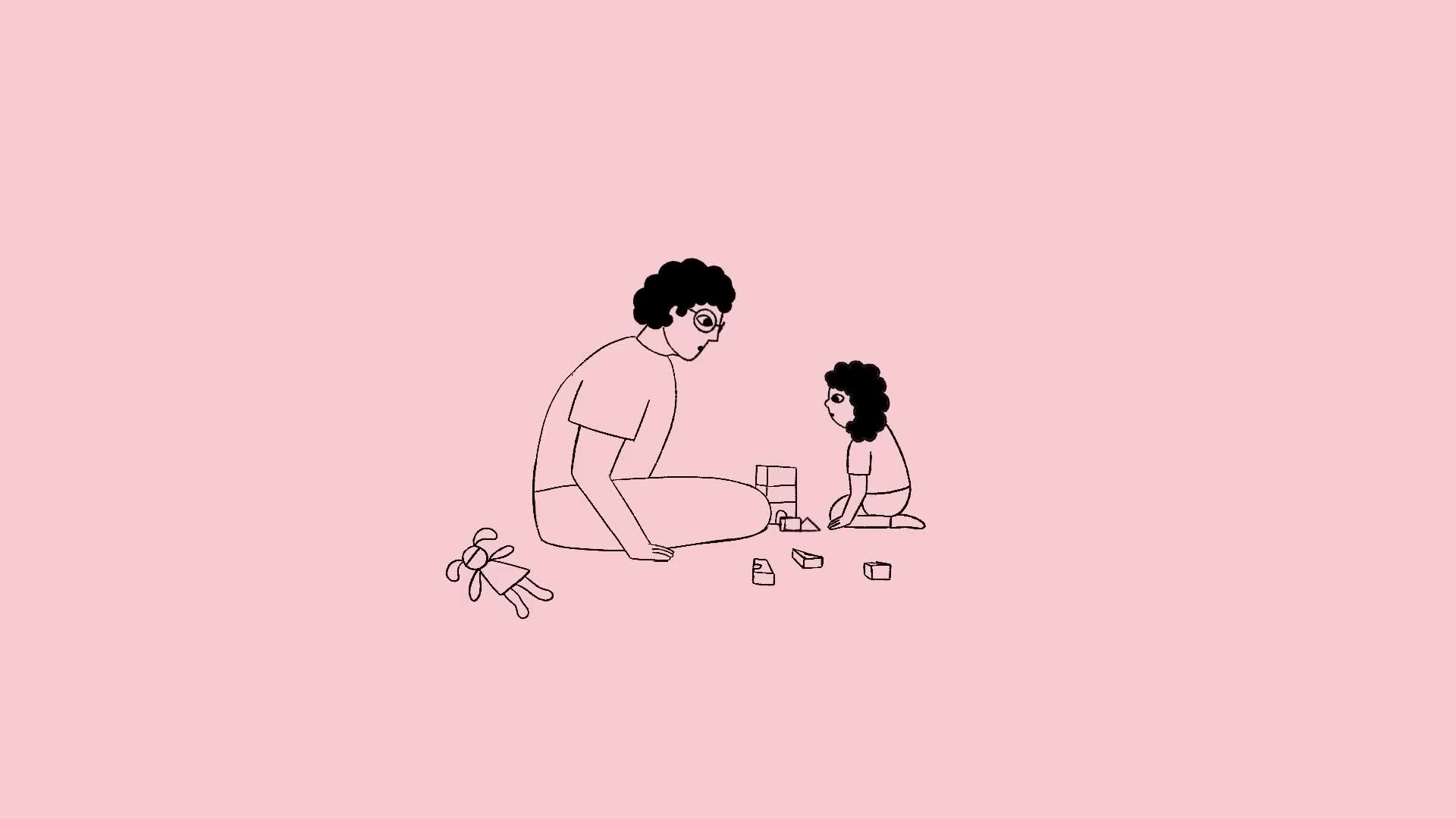
[The Profound Impact of a Good Father on a Daughter's Romantic Future]-[A Test to Measure How Good Your Father Was]
📋 Summary
The Legacy of Fatherhood: How Early Bonds Shape Adult Love
When a heterosexual woman can genuinely express that she has a "close and supportive friendship" with her father, she is not merely describing a family dynamic; she is signaling a high probability of success in her adult romantic life. This relationship acts as a blueprint, setting the emotional baseline for how she perceives, accepts, and experiences love. A good father does not just provide support; he provides a compass for navigation in the complex world of adult relationships.
Establishing the Baseline of Treatment
A critical contribution of a supportive father is his ability to "equate normality with kindness." By being consistently present and sweet, he defines the standard for acceptable treatment. Consequently, a daughter who has experienced this will not be tempted to "blame" a kind suitor for his goodness, nor will she mistake "brusqueness with intelligence" or "callousness with strength." She becomes immune to the toxic allure of men who are "constantly furious" or "cruel," because she does not recognize that behavior as a form of "home" or inherent rightness. For her, nastiness holds no "glamorous" appeal.
The Virtue of Being Ordinary
One of the most profound lessons a father can impart is the value of being "ordinary." Rather than acting as a "remote colossus or all-knowing seer," a good father shows his humanity—his moments of being "silly, ignorant, or sad." By allowing his daughter to take him for granted, he removes the need for her to associate love with "pining, loss, or absence." He creates a sense of stability, teaching her that daily life, with all its "limitations and strictures," is enough. She does not need to chase "gods, faraway princes or remote heroes" because she has already experienced the "deeper joys of someone who was present, modest and at peace with himself."
Encouraging Equality and Autonomy
Beyond emotional security, a good father fosters a daughter’s sense of agency. By involving her in intellectual or practical tasks—like "fixing a bicycle tyre" or discussing an "economics paper"—he teaches her the "dignity of all genders." He does not require her to be a "people pleaser" because she has already secured the approval of one person who truly matters. Furthermore, he avoids using her as a "golden child" to compensate for his own "invisibility" or "chaos." He allows her to develop at her own pace, supporting her whether she is interested in "teddy bear picnics or rock climbing," thereby respecting her individuality without pressure.
Maintaining Boundaries and Healthy Sexuality
A father’s role also involves walking a "hugely careful line around appearance." He validates his daughter’s existence without crossing boundaries or burdening her with adult anxieties, such as his own "unhappiness with mummy." By maintaining these healthy boundaries, he allows her to move into adulthood and embrace her "full adult sexuality without fear." He does not demand she police his boundaries or keep secrets, which prevents the development of the "sickly love" that often stems from early childhood confusion.
The Contrast: The Toll of Poor Fathering
The podcast highlights the inverse, where the absence or toxicity of a father creates a lifelong struggle. When fathers are "outsize heroes" or their "attentions are forever elsewhere," daughters are left to implicitly ask, "What might be wrong with me?" This sets up an equation between "love and suffering" or "love and absence." Such patterns can lead to a lifetime of seeking validation through unhealthy channels, whether through a compulsive need for status or an inability to receive affection without suspicion.
Conclusion: The Unheralded Hero
Ultimately, the ability to give and receive affection in adulthood is rarely an accident. It is rooted in "crucial antecedents." When a man finds himself loved by a "good, steady and sane woman," he is often the beneficiary of the work done by an "unheralded hero"—a father who provided the security, respect, and ordinariness necessary for his daughter to grow into a whole, capable human being. The legacy of a good father is not just a happy childhood, but the capacity for a happy life.

Deep Learning with ListenLeap


