
[A Day in Gothenburg: Exploring Swedish Culture, History, and Culinary Traditions]-[A Day in Sweden | Slow British English]
📋 Summary
Exploring Gothenburg: A Journey Through Swedish Culture and History
In this episode, Evie takes listeners on a guided tour of Gothenburg, Sweden’s second-biggest city. Having previously lived in Stockholm, Evie explores Gothenburg to experience its unique atmosphere, architectural contrasts, and local traditions. This journey offers a personal look at Swedish life, from the city's urban landscape to its historical museums and beloved culinary customs.
The Architectural Duality of Gothenburg
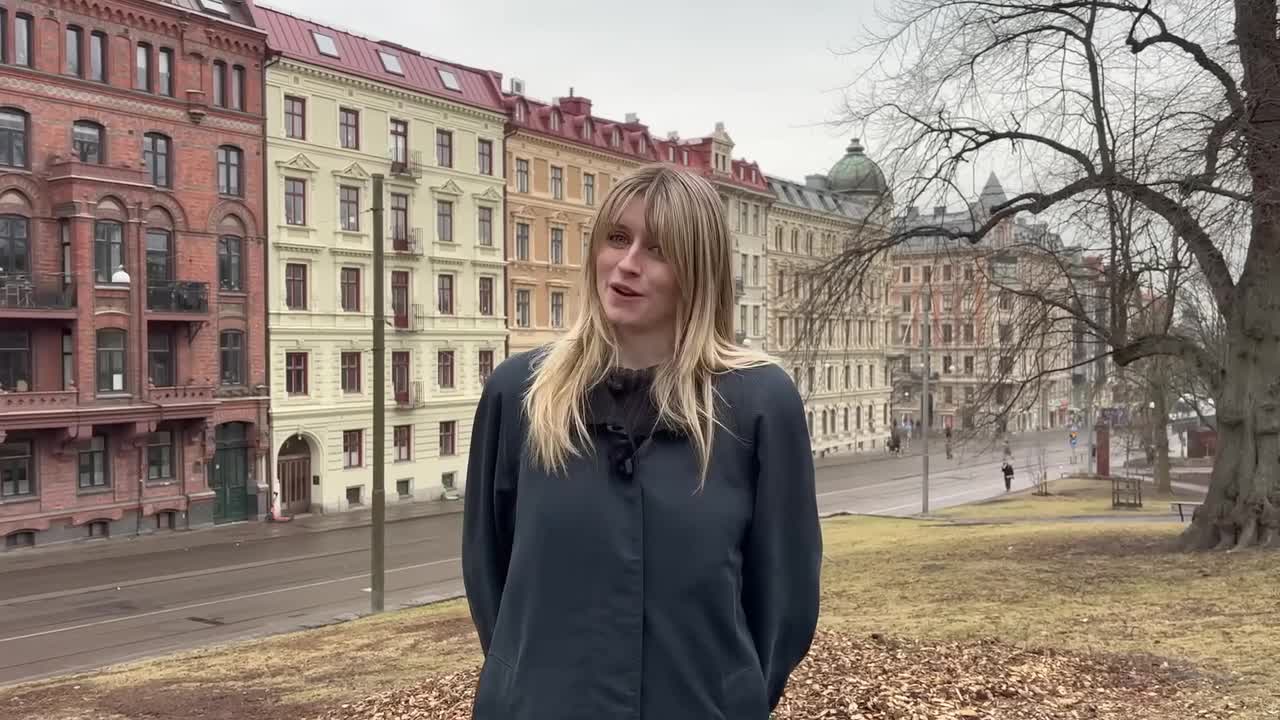
Gothenburg stands out as a "really interesting city" due to its diverse urban planning. Evie highlights the distinct mix of styles, noting that the city features a "real mixture of everything." Visitors can observe the "old architectural style with the arches" sitting in close proximity to modern skyscrapers. This juxtaposition of "really old buildings and really new buildings" defines the character of the city, reflecting its growth from a historic port town into a modern urban center.
Natural History and the Taxidermy Exhibit
One of the primary stops on the trip was the Natural History Museum. Despite the unexpected challenge of a crowded, noisy environment filled with "500 children all screaming," Evie provides an insightful look into the museum's specialty: taxidermy. The collection is vast, featuring "bears and seals and birds."
However, the highlight of the visit was undoubtedly the taxidermy blue whale. Evie explains that this "young blue whale" was stranded in Gothenburg in 1826. The exhibit is remarkable not just for its scale, but for its history; the whale is so "massive" that there is actually a bench inside its jaw. Evie notes the surreal fact that, historically, people "would have dinner parties in the whale," a detail she describes as "honestly insane."
The Tradition of 'Fika'
No trip to Sweden would be complete without experiencing fika. Evie defines this tradition as "basically coffee and a pastry." While visiting Haga, the "oldest part of Gothenburg," she stops at a cafe to sample local delicacies. She tries a semlan and a tomla kaka, describing the experience as a "10 out of 10." This segment emphasizes how fika is more than just a snack; it is a fundamental part of Swedish social life, though Evie humorously notes her preference for iced coffee, which proved difficult to find in the local shops.
Cultural Connections: British Influence in Sweden
As the day concludes at a local bar, Evie reflects on a curious observation: the prevalence of British and Irish bars throughout Gothenburg. She notes that this is "surprising" given the geographical distance between the two nations. She posits that this cultural footprint is likely due to historical "British immigration to Gothenburg," suggesting that the city's history is deeply intertwined with international influences that remain visible in its modern social scene.
Through her travels, Evie captures the essence of Gothenburg—a city that balances its historical roots with modern development, all while maintaining the cozy, welcoming traditions that make Sweden a unique destination.

Deep Learning with ListenLeap


