When life deals us hardship after hardship, it can sometimes feel like all that remains are scars and burdens that other people may never see or ever understand.
In a previous video, we talked about the traits people often develop after suffering deeply.
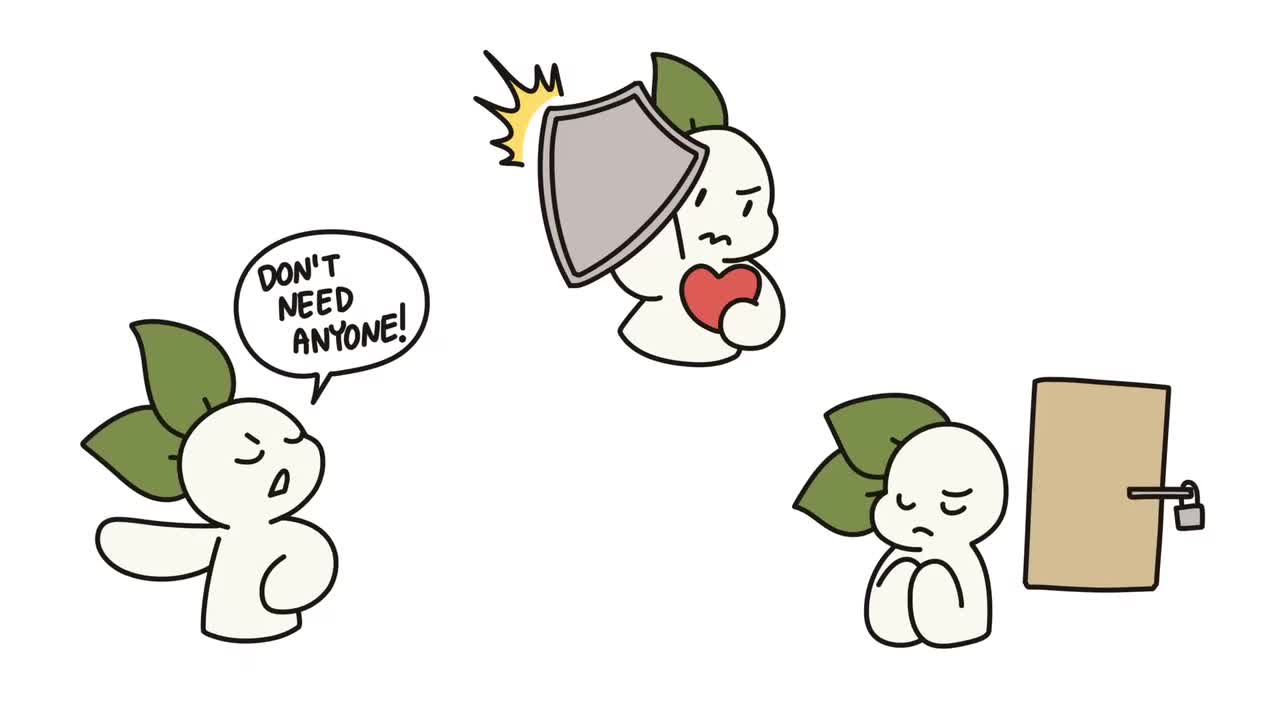
Things like hyper-independence, guarded hearts, and the need for solitude.
Many of you shared in the comments that you recognize those patterns in your own lives.
But something else often happens after pain.
Slowly, quietly, people begin to heal.
The difficult part is that healing doesn't always look the way we expect.
Usually it doesn't.
It's rarely dramatic.
It doesn't follow a straight path.
In fact, one of the most important things to understand is that I'm sure you heard it before healing is not linear.
Some days feel strong and hopeful and other days, old emotions will resurface.
But those moments don't erase your progress.
It's often two steps forward, one step back.
And sometimes healing shows up in small changes that you may not even notice yet, so.
Here are seven signs you might already be healing.
One, you start setting healthier boundaries.
People who have endured a lot of emotional hardship often become very attuned to the needs of others.
Sometimes this develops into what trauma therapists describe as appeasement or fawning behaviors, where someone tries to keep everyone happy in order to avoid conflict or emotional harm.
Over time this can look like chronic people pleasing, but healing often begins when something shifts.
You start realizing that constantly carrying everyone else's emotional weight is leaving you exhausted, and slowly you begin learning something new.
Boundaries.
But boundaries aren't just about saying no to everything.
They're also about learning what deserves your yes.
For example, you might say no to answering work messages late at night when you're already drained.
But you might say yes to taking an evening to recharge yourself.
Going for a walk, reading a book, or spending time with someone who genuinely respects your energy.
Boundaries are not walls meant to shut people out.
They're guidelines that help protect your emotional wellbeing while still allowing healthy connection.
And learning to set them is often one of the earliest signs of healing.
Two, you allow yourself to rest without guilt.
When someone has lived in survival mode for a long time, their nervous system can become used to constant alertness.
There's always something to fix, something to anticipate, something to worry about.
And because of that, resting can feel uncomfortable at first.
You might even feel guilty when things are quiet, but healing slowly changes your relationship with rest.
You begin to realize that rest is necessary for recovery.
Maybe there was a time when you felt guilty spending an entire afternoon doing nothing productive, but now you allow yourself small pauses.
You sit up with a cup of tea.
You listen to music.
You watch the rain outside your window.
And instead of feeling anxious about what you should be doing, you begin to recognize that your body and mind deserve moments of peace.
These little pauses may seem small, but they are powerful signs that your nervous system is slowly learning that it is safe to relax again.
Three, you start trusting your inner voice again.
Trauma can make people doubt their own judgment.
After experiencing betrayal, manipulation or emotional harm, many people begin to question themselves.
You might wonder, how didn't I see the signs sooner?
Why did I trust them?
But healing slowly rebuilds that sense of inner trust.
And little by little, you begin noticing that voice inside you again, the one that tells you when something feels right and when something doesn't.
Imagine meeting someone new.
In the past you might've ignored certain red flags because you didn't wanna seem overly cautious, but now you pause and you listen to that feeling.
Instead of brushing it aside, you allow yourself to step back and just observe.
Re-learning to trust your instincts is a powerful step towards emotional safety.
Four, small moments begin to feel meaningful again.
When someone has gone through prolonged emotional pain, they can sometimes dull their ability to feel joy.
Everything can feel distant or heavy, but healing often brings back something really beautiful, yet subtle.
An appreciation for small moments like you might notice the warmth of sunlight through a window, or the quiet comfort of sitting with someone who just gets you, or the satisfaction of completing a little task that once felt overwhelming Like.
Maybe there was a time when even getting out of bed felt incredibly difficult.
And then one day you found yourself cooking a meal and cleaning your space or just going outside for some fresh air and you realize that those little acts are signs of movement.
They may seem ordinary to others, but for someone who has carried deep pain they can feel really meaningful, because they are
Five, you begin asking for help.
Hyperindependence is one of the most common responses to emotional pain.
If you've been hurt or let down before, depending on others can feel risky.
So many people learn to rely only on themselves.
But healing often involves rediscovering something very important.
You don't have to carry everything alone.
For example, maybe you once kept every struggle to yourself because you didn't want to burden anyone.
But now you allow yourself to share small pieces of what you're going through with someone you trust.
And when they listen without judgment, you realize connection doesn't always lead to pain.
Sometimes it leads to support.
Six, you stop blaming yourself for everything.
When people experience trauma, they sometimes develop a habit of internalizing blame.
Even when something wasn't their fault, their mind searches for ways they could have prevented it.
Healing slowly changes that perspective.
You start to recognize that some things were never yours to carry.
And instead of thinking if I had just tried harder, maybe things would have been different, you begin realizing that some situations were outside of your control.
And this shift in perspective allows compassion to enter the way that you see yourself.
And that compassion is a powerful part of healing.
And seven you begin seeing your pain as part of your story, but not your identity.
Healing doesn't erase the past, but it changes the way you understand it.
Instead of seeing painful experiences as something that permanently defines you, you begin to see them as chapters in a much larger story.
Psychologists sometimes refer to this as post-traumatic growth the process of finding deeper meaning, strength or understanding after adversity.
For example, someone who struggled through years of hardship might one day find themselves helping others navigate similar challenges.
Their pain became a source of empathy and wisdom.
It doesn't mean that their suffering was good, but growth can emerge even from difficult experiences.
At Psych2Go, our mission has always been simple.
To help people better understand themselves, their emotions and the complex ways our minds respond to life.
Because when we understand our experiences, especially the painful ones, we gain the power to grow from them.
And if you or someone you care about is going through a difficult time.
We recently created a space called psych2goshop where you can find small reminders designed around messages like healing is not linear.
Some people keep them for themselves.
Others give them to friends going through breakups, grief or major life transitions.
Sometimes a simple reminder can make a difficult day feel a little lighter.
Everyone's journey is different.
So keep in mind that even if you don't notice all the signs, you're still a work in progress.
You will get there eventually, and maybe you'll never be the version of yourself you had hoped to be, then that's okay.
Because maybe you were meant to be someone even better.
We can't change our past.
We can, however, build a new future.
Thank you so much for being here.
Until next time, take care.