
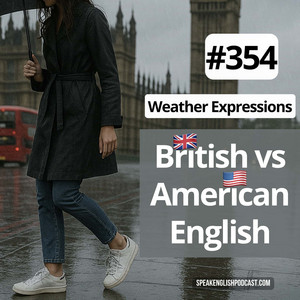
[Mastering Small Talk: Weather Conversations and Cultural Nuances in English]-[#354 Talking About the Weather English]
📋 Summary
The Art of Small Talk: Weather as a Universal Connector
Starting a conversation with a stranger can often feel daunting, but Georgiana highlights that the "easiest way to start a conversation in English" is by discussing the weather. Whether you are in London, New York, or Paris, the weather is a "neutral" topic that "touches everyone's life." It serves as a perfect icebreaker because it requires no deep personal knowledge of the other person, effectively eliminating the risk of "awkward silence."
Essential Autumnal Phrases
Autumn is a particularly dynamic season for conversation because the weather is constantly in flux. To sound more natural and confident, the podcast suggests mastering simple, high-frequency phrases:
- "It's chilly today": Used when a "cold breeze hits you."
- "The days are getting shorter": A common observation as evening darkness arrives earlier.
- "Looks like rain": A standard remark when the sky turns gray.
- "The weather changes so fast": A reflection on the unpredictable shift from sunny mornings to afternoon downpours.
Linguistic Variations: American vs. British English
One of the most engaging aspects of learning English is navigating the regional differences between American and British vocabulary. While the meaning remains the same, the terminology changes significantly:
| Context | American English | British English | | :--- | :--- | :--- | | Cold Temperature | "It's chilly today" | "It's a bit nippy" | | Season Name | "Fall" | "Autumn" | | Heavy Rain | "Raining cats and dogs" | "It's pouring down" | | Footwear | "Rain boots" | "Wellies" | | Cloud Coverage | "The sky is cloudy" | "The sky's overcast" | | Cold Weather Event | "A cold front" | "A cold snap" |
The Lesson of the 'Wellies': A Mini-Story
To cement these concepts, the podcast presents a humorous story about an American student visiting London. The student receives a warning from his British friend: "Don't forget your wellies." Because the student was unfamiliar with British vernacular, he mistakenly assumed "wellies" were a "delicious British snack, maybe cookies with chocolate."
Instead of asking for clarification, he pretended to understand, leading to the unfortunate result of wearing sneakers in heavy rain. As the story illustrates, the rain "poured like the sky had a personal problem with him," leaving his sneakers "completely soaked, like two sponges." The irony concludes with the student learning that "wellies were not cookies," but rather "rain boots." This serves as a lighthearted reminder that understanding cultural nuances is just as important as learning vocabulary.
Conclusion
By practicing these phrases and understanding the regional quirks of the English language, learners can transition from hesitant speakers to confident communicators. Whether you are navigating a conversation in an elevator or a bus stop, remember that the weather is your most reliable tool for connection. As Georgiana emphasizes, these simple sentences are "powerful because people really use them every day."
Deep Learning with ListenLeap


